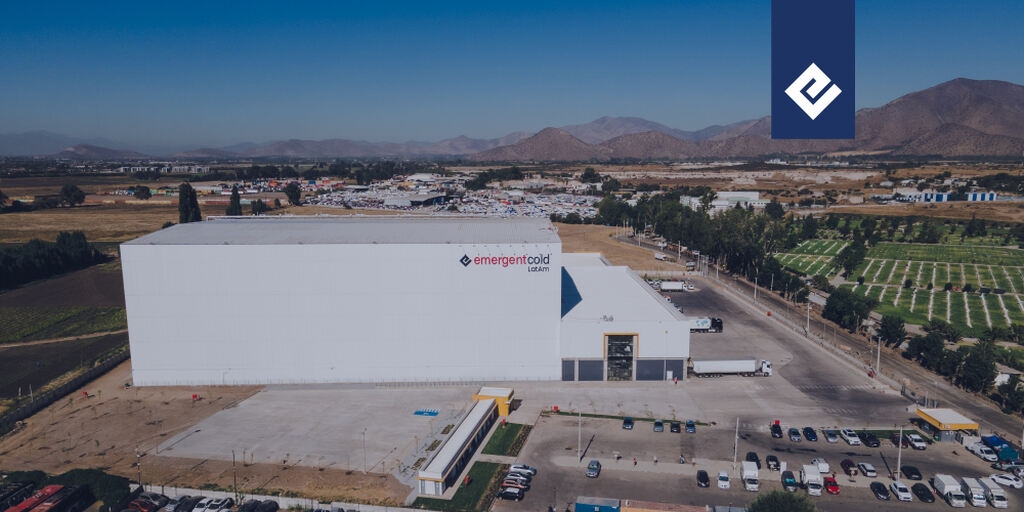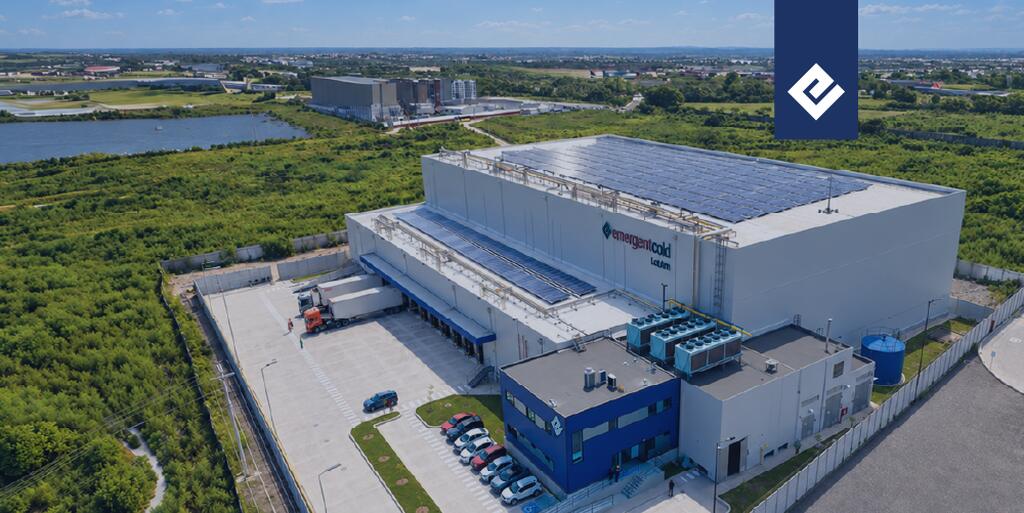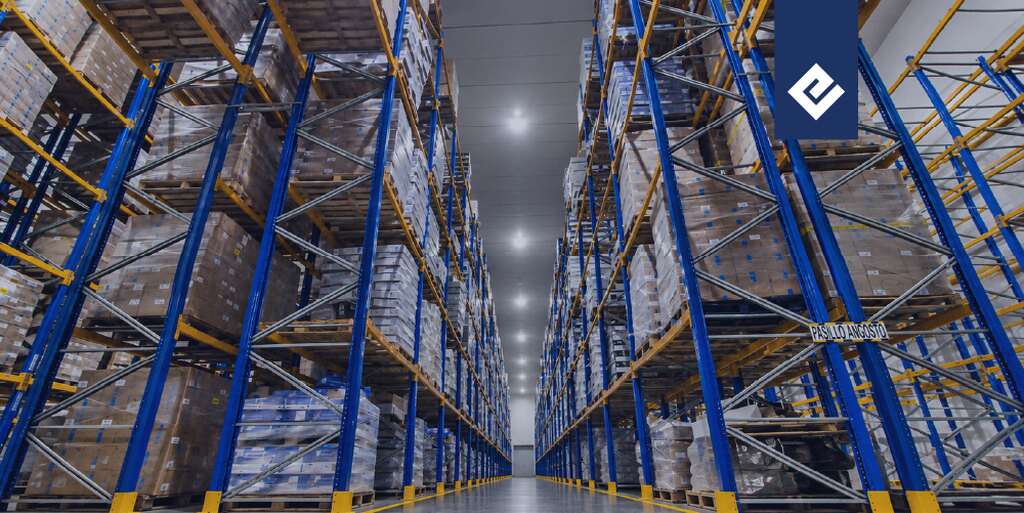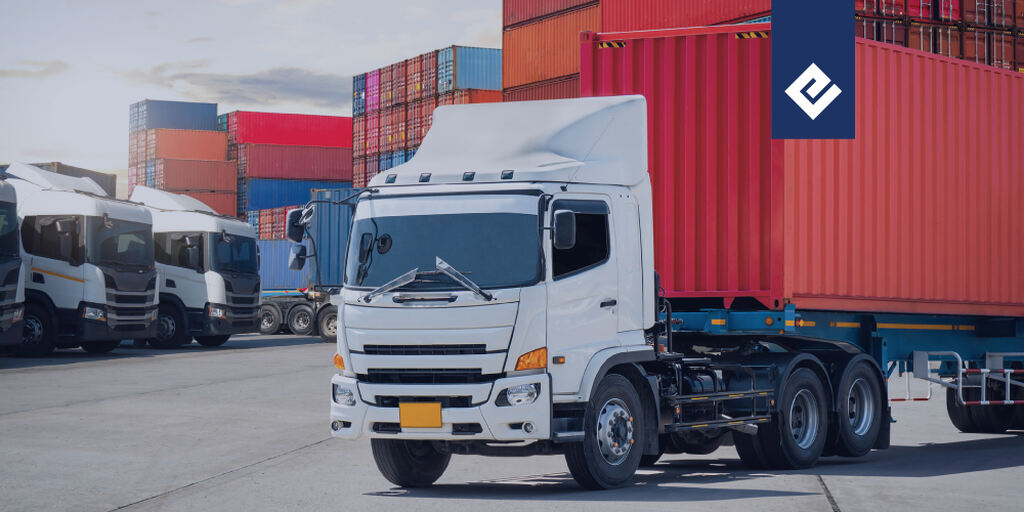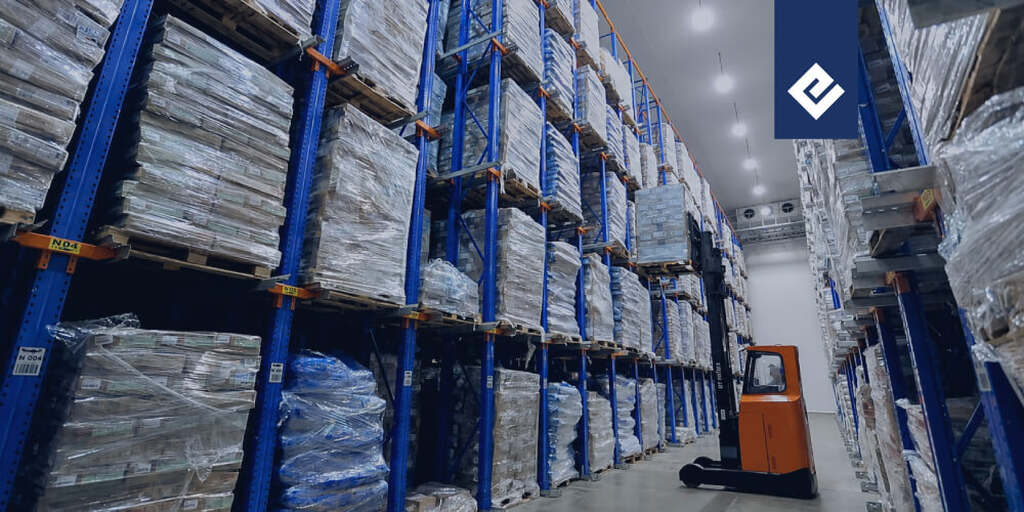


A refrigerated distribution center is a logistics facility designed to receive, store, handle, and distribute food products that must be kept at specific temperatures.
More than just providing cold storage rooms, this type of operation must integrate temperature control, inventory management, goods handling, order picking, traceability, and refrigerated transportation.
For food manufacturers, retailers, food service companies, and exporters, this integration is strategic. After all, a failure anywhere between receipt and delivery can result in losses, shorten the shelf life of products, and compromise the entire distribution chain.
Therefore, understanding how this structure works also helps in assessing which characteristics should be considered when choosing a partner specializing in temperature-controlled logistics.
Refrigerated Distribution Center: What Are the Main Challenges?
Perishable foods (meat, vegetables, fruits, and the like) require different logistical care than products that do not depend on temperature. Temperature, dwell time, shelf life, handling, and sanitary conditions must be monitored throughout the entire logistics flow.
This means that the distribution center’s performance depends on the coordination between different processes. A delay in receiving goods can increase the cargo’s exposure time.
A failure in inventory management can result in products nearing their expiration date being stored for longer periods. Similarly, loading issues can disrupt the temperature conditions maintained during storage.
For this reason, one of the main challenges is ensuring the continuity of the cold chain while hundreds or thousands of products enter, remain in stock, are sorted, and are shipped to different destinations.
Temperature control: one of the critical aspects of the operation
Temperature control is one of the most sensitive aspects within a refrigerated distribution center. Generally, frozen foods are stored at -18 °C or lower, while refrigerated perishables can be kept between 0 °C and 5 °C.
It’s worth noting that these values serve as guidelines; in other words, they may vary depending on the characteristics of each perishable item.
In addition to setting the appropriate temperature range, it is essential to avoid fluctuations throughout the process. It is not enough for the cold room to reach a certain temperature: temperature conditions must be continuously monitored so that any deviations can be quickly identified.
What facilities and equipment are required?
The infrastructure of a refrigerated distribution center must align with the operation’s profile, taking into account the volume handled, types of perishables, frequency of incoming and outgoing shipments, and the level of agility required by the distribution process.
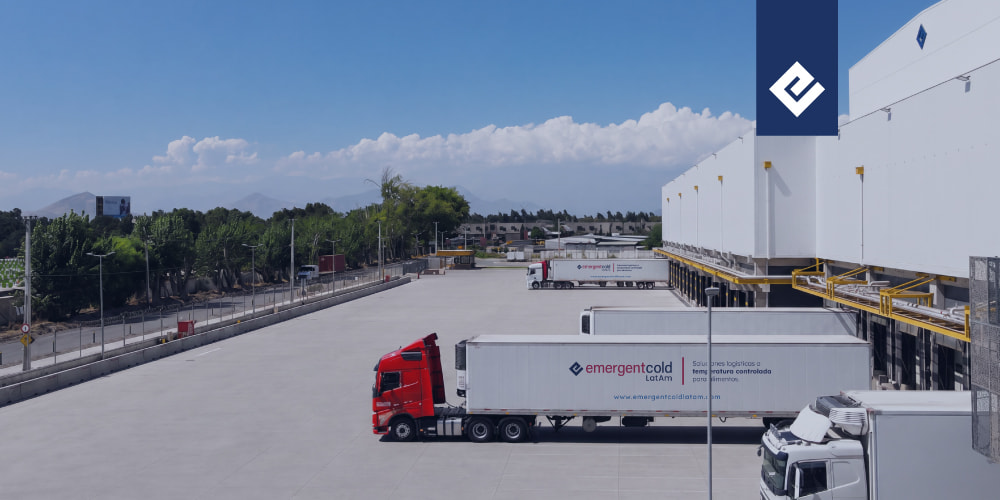
Cold storage rooms are among the key elements of this infrastructure, but they are not the only ones. The operation also includes receiving and shipping areas, loading docks, buffer rooms, order-picking areas, and equipment designed to move goods safely and quickly.
The layout also plays an important role. Efficient organization of spaces reduces unnecessary movement, facilitates access to products, and helps streamline stages such as receiving, storage, picking, and shipping.
Loading docks and transition areas, in turn, should be designed to ensure a smooth flow of incoming and outgoing cargo. The better this organization, the shorter the wait time tends to be between one stage of the operation and the next.
Material-handling equipment, such as forklifts and pallet jacks suitable for refrigerated environments, also helps maintain productivity, especially in operations with high volumes of goods.
In addition to the physical infrastructure, technology complements distribution center management. Systems such as WMS—warehouse management systems—allow for tracking the location, quantity, lot number, expiration date, and movement of products throughout the operation.
Cross-docking and refrigerated transport: how to integrate operations?
After organizing receiving, storage, and internal handling, the next step is to ensure efficiency in product outbound operations.
In cross-docking operations, goods are received, picked, and quickly routed for shipment, which can reduce dwell time at the distribution center and streamline the logistics flow.
For this to work, it is necessary to coordinate arrival and departure times, dock availability, order picking, and vehicle loading.
This synchronization is even more critical in refrigerated operations, where the carrier must be prepared to receive the cargo under the proper conditions and maintain the cold chain.
In practice, integrating cross-docking and refrigerated transport helps reduce wait times, avoid unnecessary handling, and make distribution more efficient.
Which industries rely on refrigerated distribution centers?
Various companies can benefit from this infrastructure.
- Food manufacturers need to store finished products and organize their distribution to different markets.
- Retail chains depend on frequent and predictable supply to keep products available in stores without excessively increasing inventory.
- In the food service industry, restaurants, hotels, food chains, and industrial kitchens need to receive ingredients under the proper conditions and within the scheduled timeframes.
- Exporters of proteins and other perishables, on the other hand, deal with an even more complex supply chain, which may involve storage, ground transportation, port terminals, and international segments.
In all these scenarios, the location of the distribution center and its ability to integrate with different modes of transportation can directly influence logistics performance.
How can you reduce risks and increase the efficiency of refrigerated operations?
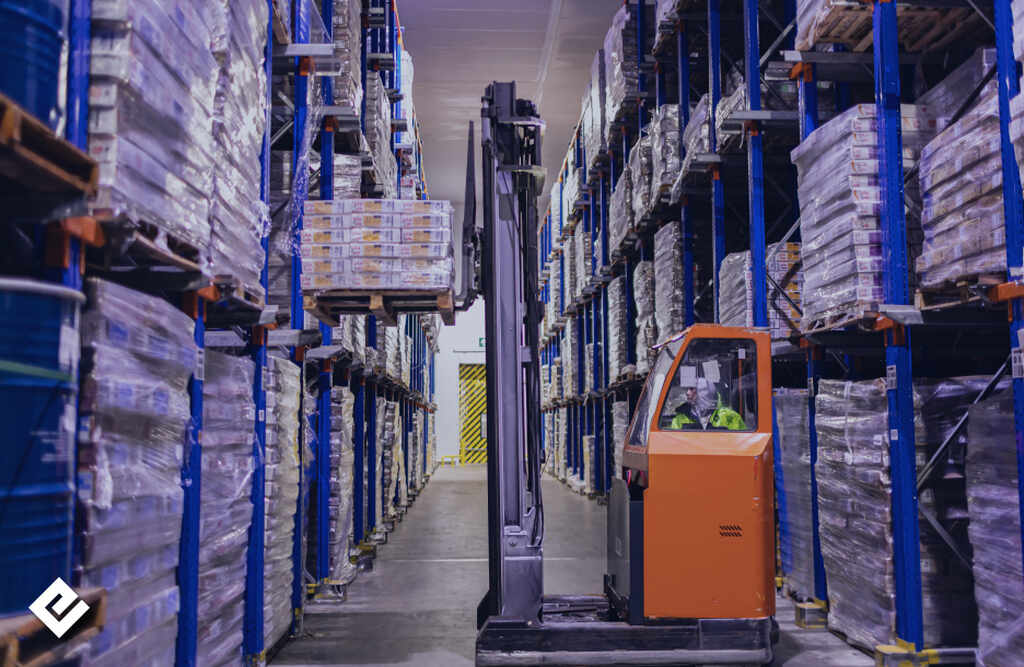
An efficient operation begins with analyzing processes as a whole. Key factors to evaluate include storage capacity, available temperature ranges, monitoring systems, inventory management, traceability, order-picking productivity, and integration with transportation. It is this integration that drives process agility, preserves product quality, and ensures operational safety.
“The challenge for those leading operations is to stop managing efficiency, quality, and safety as competing interests and start designing them as the result of a single system,” says Luiz Rossi, Director of Operations for Brazil at Emergent Cold LatAm.
It is also important to consider the location of facilities. Being close to consumer centers, production hubs, or ports can reduce travel, simplify steps, and improve the predictability of operations.
In this regard, outsourcing part or all of refrigerated logistics can be an alternative for companies that wish to access infrastructure, technology, and specialized knowledge without having to develop a complex cold chain structure in-house.
When choosing a partner, however, companies should consider not only the available space but also the partner’s ability to integrate warehousing, handling, distribution, and transportation.
See also: Emergent Cold LatAm Opens Latin America’s Largest Automated Food Warehouse
How do we support operations with refrigerated storage?
We develop solutions tailored to the needs of the temperature-controlled food supply chain.
Our refrigerated storage and distribution network is strategically located across 11 Latin American countries: Brazil, Chile, Colombia, Ecuador, Guatemala, Mexico, Panama, Paraguay, Peru, the Dominican Republic, and Uruguay.
With a presence in major urban centers and port regions, we support domestic and international operations that require agility, control, and logistics integration.
We have infrastructure designed for refrigerated and frozen products and integrate processes such as warehousing, inventory management, traceability, cross-docking, handling, and transportation.
This structure allows us to meet the diverse needs of food manufacturers, retail chains, food service companies, and exporters—from simple warehousing operations to comprehensive logistics solutions.
More than just providing cold storage space, we seek to simplify the supply chain and offer greater efficiency, visibility, and integration into the product flow.
For companies that need to expand their logistics capacity, reduce operational complexity, or integrate temperature-controlled storage and distribution, relying on a specialized infrastructure can make operations more efficient and better prepared to handle varying demands.
Learn about our temperature-controlled storage and distribution solutions and discover how we can support your company’s operations.
FAQ – Frequently Asked Questions About Refrigerated Distribution Centers
What types of distribution centers are there?
Distribution centers can vary depending on the type of merchandise and the operations performed. In the cold chain, refrigerated and frozen distribution centers stand out, designed to preserve food within specific temperature ranges and support processes such as storage, picking, cross-docking, and shipping.
What is refrigerated transport?
It is transportation carried out in vehicles equipped to maintain products under controlled temperature conditions during transit. At Emergent Cold LatAm, this stage can be integrated with warehousing and distribution, contributing to the continuity of the cold chain.
How do I ship a refrigerated package?
Shipping requires defining the product’s storage conditions, using appropriate packaging, and choosing a transport option compatible with its temperature requirements. For perishable foods, relying on a specialized operation also helps integrate pickup, storage, traceability, and delivery.
How does a refrigerated truck work?
A refrigerated truck has a thermally insulated cargo compartment and a refrigeration system, which allows the temperature to be controlled during transport. This type of vehicle is used in refrigerated logistics to preserve the condition of perishable foods between the origin and the destination.
What are FTL and LTL shipments?
In FTL (Full Truckload), the vehicle’s capacity is dedicated to a single shipment or operation. In LTL (Less Than Truckload), however, the space can be shared by smaller shipments. The choice depends on factors such as volume, route, delivery time, and the characteristics of the products being transported.