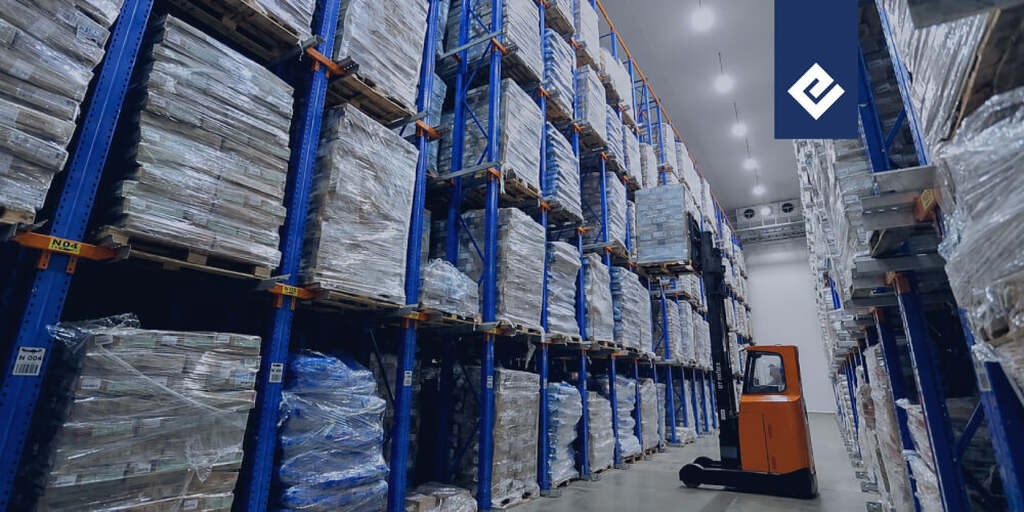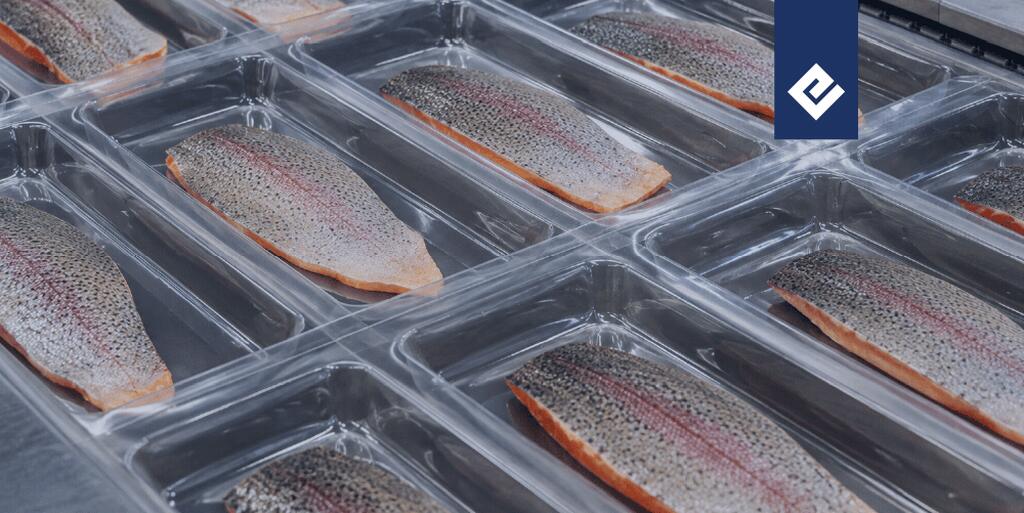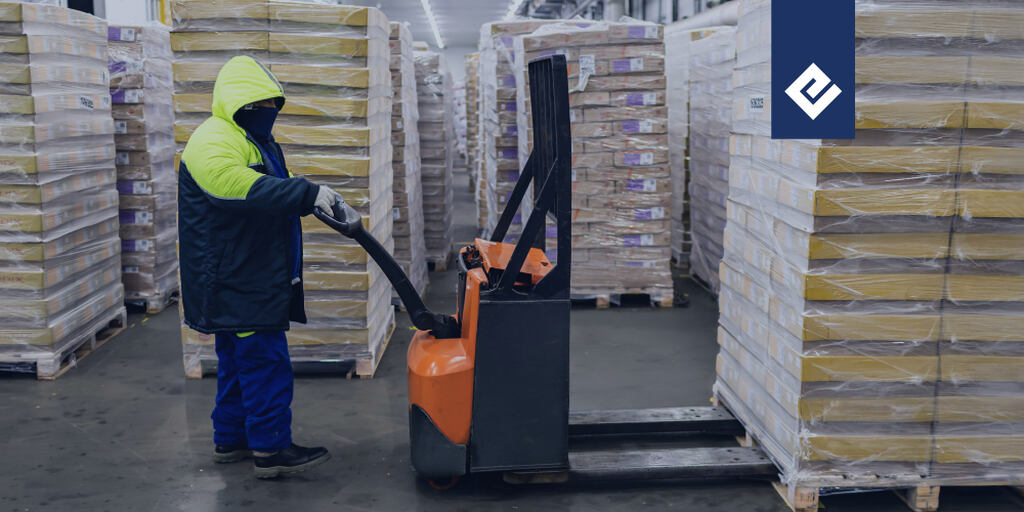


Cold storage rooms play a central role in preserving perishable foods and ensuring the efficiency of the cold chain.
In an increasingly demanding logistics landscape, maintaining the proper temperature during both storage and transport is critical to preserving the quality, food safety, and commercial value of products.
Throughout this content, you’ll learn how cold storage facilities work, the main types available, the operational challenges involved, and how technologies and best practices can optimize your business worldwide.
What makes cold storage facilities essential to the cold chain?
Cold storage facilities are essential for maintaining the integrity of perishable foods, as they control temperature throughout the entire logistics chain, from initial storage to distribution. This strict control prevents the proliferation of microorganisms and slows natural spoilage processes.
In addition, they ensure that products reach their destination in compliance with the standards required by regulatory agencies and customers—a critical factor, especially in export operations, which involve long transport times and strict sanitary requirements.
Another important aspect is operational standardization. With controlled environments, it becomes possible to reduce external variables, improve logistical predictability, and increase process reliability.
What are the main types of cold storage rooms?
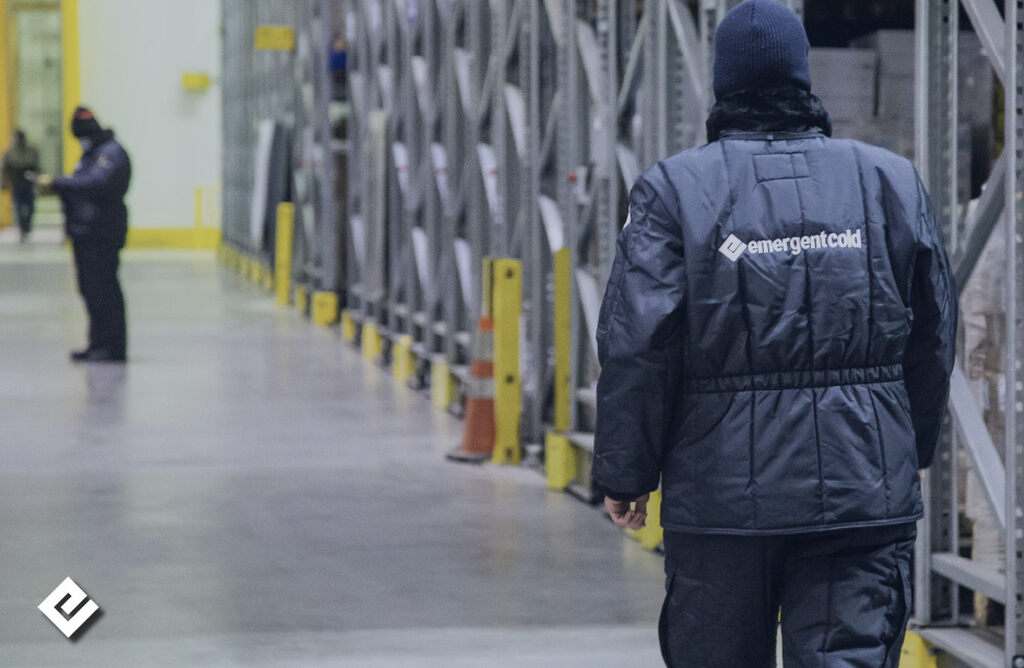
Cold storage rooms can be classified according to their function and temperature range. Among the main types are:
● Cooling rooms, which generally operate between 0°C and 10°C (used to store fresh products, such as fruits, vegetables, and dairy products).
● Freezer rooms, which operate at temperatures below -18°C (ideal for meat, fish, and frozen foods).
● Deep-freeze chambers, which operate at even lower temperatures, typically between -30°C and -40°C, and are used for products that require maximum preservation of quality, texture, and original characteristics throughout storage.
● Multi-temperature storage rooms, designed to store different categories of products within the same logistics complex, with areas operating at distinct temperature ranges. This configuration offers greater operational flexibility and allows for meeting the specific needs of each product.
There are also controlled-atmosphere cold storage rooms, which regulate not only temperature but also oxygen and carbon dioxide levels, further extending the shelf life of products.
Choosing the appropriate type depends directly on the product’s characteristics, storage duration, and the logistical requirements of the operation.
What operational challenges require attention in refrigerated storage?
Operating cold storage rooms involves a series of challenges that directly impact costs and efficiency. One of the main challenges is controlling temperature fluctuations, especially in environments with high cargo turnover.
Frequent door openings, for example, can compromise internal temperature stability. Meanwhile, equipment failures or inadequate maintenance can lead to significant losses.
Another major challenge is energy management. Refrigeration systems are energy-intensive, requiring constant planning and monitoring to prevent waste.
Finally, staff training is also a critical factor. Refrigerated operations require technical knowledge and operational discipline to ensure compliance and performance.
Learn about one of our success stories: VPC Company: How the cold chain boosted sales by 15% and reduced waste by 4.5%
Technologies for Real-Time Control
Technological advances have transformed cold storage management, making it more precise and efficient. Smart sensors enable continuous monitoring of temperature, humidity, and other critical parameters.
This data can be integrated into management systems, enabling real-time monitoring and the generation of automatic alerts in case of deviations. This reduces risks and allows for rapid corrective action.
In addition, solutions based on the Internet of Things (IoT) and data analytics help identify operational patterns and opportunities for improvement. As a result, companies gain greater control over their processes and increase the reliability of the cold chain.
See also: Automated Warehouses: Benefits, Technologies, and Applications in the Cold Chain
How to Reduce Waste and Energy Consumption
Strategies such as high-quality thermal insulation, preventive maintenance, and the use of modern equipment make a significant difference in energy consumption.
Internal organization also directly impacts efficiency. A well-planned layout facilitates the circulation of cold air and reduces the time doors are open. Furthermore, the use of automation technologies helps adjust system operations according to demand, preventing waste.
These practices not only reduce operating costs but also contribute to sustainability goals, which are becoming increasingly important in the logistics sector.
When is it worth partnering with specialists in refrigerated storage?
Outsourcing cold storage is an efficient strategy for many companies. Instead of investing in their own infrastructure, companies can rely on specialized logistics operators.
These partners offer modern facilities, strategic locations, and operational expertise, ensuring greater efficiency and risk reduction. Another important aspect is that outsourcing allows for greater operational flexibility, especially during periods of high demand or seasonal fluctuations.
For companies seeking to optimize costs and focus on their core business, this is a highly advantageous alternative.
Discover our solutions for the perishable food cold chain
We offer comprehensive solutions in temperature-controlled logistics, with modern infrastructure strategically located in Latin America’s major urban centers and ports.
Our warehouses feature state-of-the-art cold storage facilities, designed to meet a variety of storage needs with high standards of efficiency and safety.
In addition, we use advanced monitoring and management technologies that ensure full control over operations and compliance with health regulations.
By partnering with Emergent Cold LatAm, your company gains a strategic partner to reduce costs, increase efficiency, and ensure the quality of perishable foods throughout the entire logistics chain.
A recent example of this progress is the expansion of the Olivo facility in Santiago, Chile, which, in early 2026, reached a capacity of 33,000 pallet positions, making it one of the largest automated frozen food warehouses in Latin America.
This initiative reinforces the company’s ongoing investment in infrastructure to meet the growing demand for cold chain solutions in the region.
As Alain Eichmann, General Manager of Emergent Cold LatAm’s Andean region, points out:
“We are seeing growing demand for temperature-controlled food storage and distribution solutions, which makes the development of cold chain infrastructure a crucial element for various production sectors.”
Conclusion
Cold storage facilities are indispensable for ensuring quality, safety, and competitiveness in the transportation and storage of perishable foods.
With different types and applications, they require efficient management, the use of technology, and adherence to health regulations. At the same time, operational challenges underscore the importance of having adequate infrastructure and specialized partners.
Investing in modern, well-structured solutions is an essential step toward strengthening the cold chain, reducing waste, and meeting the demands of an increasingly rigorous market.