

The logistics of perishable products is a challenge that demands specialized knowledge to ensure that the items arrive at their destination maintaining quality and safety.
Understand how to do the transport and storage of these products is essential given the risk of damage arising from exposure to inadequate temperatures, incorrect handling or contamination.
This article covers the good practices and guidelines to be followed to maximize the preservation and integrity of perishable foods during their travel and storage.

Which products are perishable?
Perishable products are the goods for consumption that deteriorate and lose quality in a short space of time due to their biological nature and their sensitivity to environmental conditions.
Thus these kinds of items require control of the temperature and careful handling during the storage and transport, from their origin through to the point of sale or consumption.
Among the principal examples of perishable foods are:
- Beef, pork and poultry meat;
- Fresh and frozen fish;
- Dairy products such as milk, cheese, butter and yoghurt;
- Fresh and minimally processed fruit, including cut fruits and pulps;
- Vegetables and greens, natural or washed;
- Frozen and chilled foods in general;
- Refrigerated ready meals;
- Fresh pastas;
- Cold and sliced meats.
What is the difference between perishable and non-perishable foods?
The difference between perishable and non-perishable foods is in the durability and the need for conservation. The first set of foods, as we have said, tends to deteriorate quickly and need refrigeration or freezing.
On the other hand, non-perishable foods, such as grains, conserves and dehydrated foods can be kept unaltered for long periods in normal conditions of storage, without the need for special temperature control.
Consequently, the planning of transport and storage has to take into consideration these characteristics to avoid waste and assure the health of the consumer.
How does the storage of sensitive foods work?
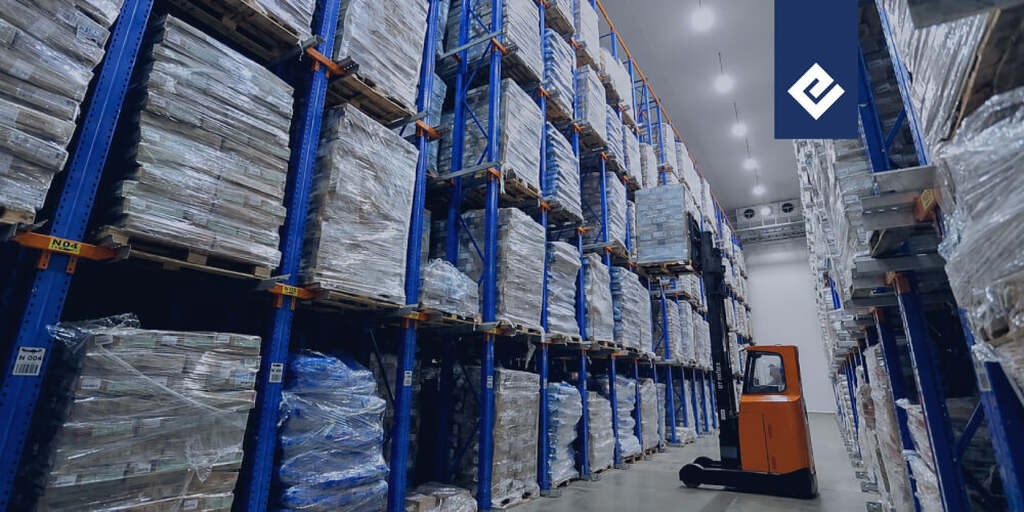
Perishables must be kept in environments at the proper temperature for their characteristics, which normally involves the use of refrigerated rooms at between 0 °C and 5 °C, or freezing facilities with temperatures from -18 °C.
In the case of freezing, the process takes place initially in specific facilities, and the foods are transferred afterwards to the frozen foods storage areas, where the thermal stability is maintained.
Besides the temperature, control of the relative humidity of the air is a determining factor to avoid drying, excessive condensation and the proliferation of microorganisms.
Another critical point is the prevention of cross-contamination, which requires the proper segregation of the products, frequent cleaning of the areas, and compliance with standardized operational protocols.
For certain foods, such as fruits and vegetables, the use of controlled or modified atmospheres, with the reduction of oxygen and control of gases, helps retard the maturing and preserve sensorial characteristics.
To complement this, efficient stock management, based on practices such as FIFO, guarantee faster rotation, reduces losses and ensures that only the products up to standard advance in the distribution chain.
How does the transport of refrigerated and frozen foods work?
The transport of perishable products is one of the most critical stages of the logistics chain, and demands constant control to preserve the safety and quality of the foods during throughout the journey.
Refrigerated vehicles or ones for frozen cargoes are indispensable to maintaining the proper temperature for each type of product, avoiding oscillations which can compromise the integrity of the cargo.
This control should not take place just at the beginning or at the end of the operation, but be carried out continuously, with verification and recording of temperature throughout the transport.
Example
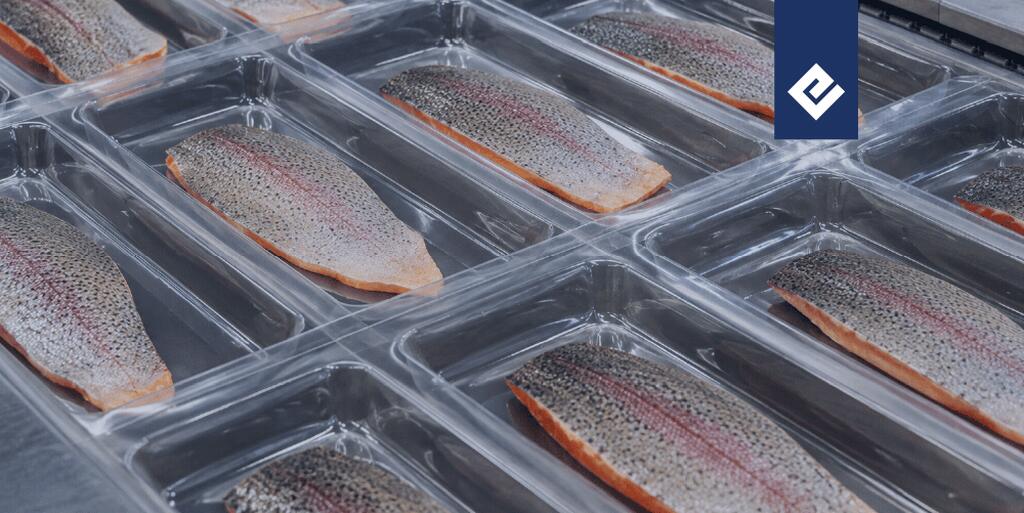
Fresh fish must be kept at temperatures of between 0 °C and 5 °C, whereas frozen fish require environments at -18 °C or less.
To guarantee these conditions, the use of monitoring technologies in real time allows the temperature to be accompanied minute by minute, to identify divergence immediately and to adopt corrective actions quickly, reducing risk of deterioration and losses.
Besides the thermal control, the use of specialized packaging, such as thermal boxes and high performance isothermal packaging, contributes to keeping the fish protected against variations in temperature, physical impacts and external contamination.
Well planned routes, reduced transit times and standardized handling procedures complete the process, ensuring that the foods arrive at their final destination within the required health standards and in ideal conditions for consumption.

Checklist: care in the storage and transport of products with a short shelf-life
Before detailing each practice, it is worth reviewing the principal cares that guarantee the safety and quality of perishable products throughout the logistics chain.
Quick checklist:
- Proper cleaning of environments, vehicles and equipment.
- Control and recording of the validity of the products.
- Correct organization of the storage space and transport.
- Use of the appropriate equipment for each type of cargo.
- Safe handling of the products.
- Compliance with health standards and operational records.
Cleaning of the locale
Maintenance of the cleaning is very important both of the place of storage and in the transport of perishable products.
Clean areas reduce the risk of contamination by bacteria and other pathogens, which can proliferate quickly in organic material.
A daily cleaning routine using the proper products must be followed to ensure that all surfaces, equipment and vehicles are disinfected and ready to receive the products.
Verification of validity of the products
It is fundamental to implement quality control protocols that include the frequent checking of the dates of validity of the short duration products.
Inspection routines must identify and dispose of items close to the end of their useful life before they compromise the quality of the stock.
Organization of the environment
Organizing the storage environment and transport areas logically and efficiently is fundamental to maintaining the quality of perishable products.
Such products must be allocated in areas which facilitate the suitable ventilation, with easy accessibility and handling, and the separation of incompatible items to avoid contamination and undesirable chemical reactions.
Use of the right equipment
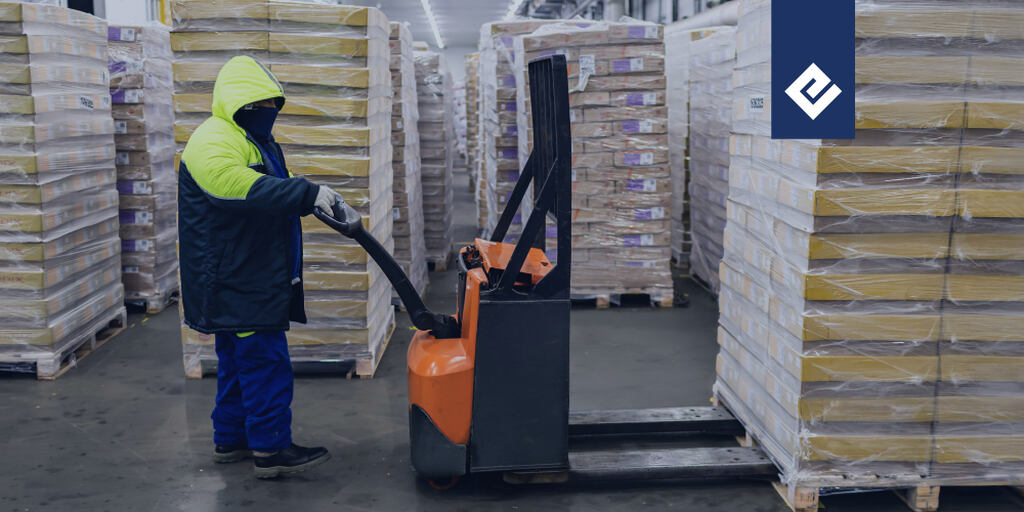
Storing and transporting perishable products involves the use of specialized equipment, not just cold rooms and thermal boxes, but also the appropriate pallets and containers for each type of product.
Maintaining this equipment in a good state of conservation and functioning is essential in ensuring that the cold chain is not interrupted.
Correct handling of the products
The handling of the products must be done with care to avoid their deterioration.
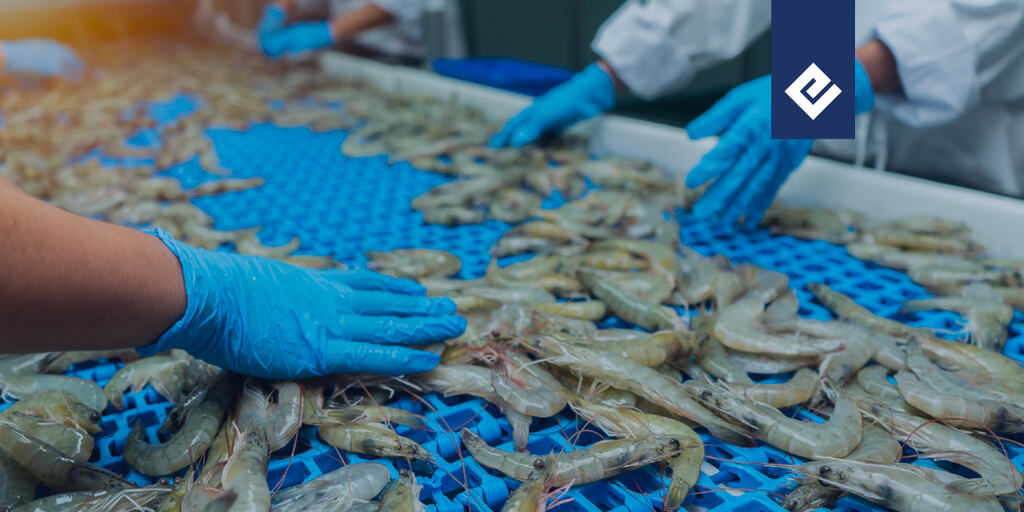
Trainings on the safe handling practices and the use of the proper utensils and clothing for the workers are important in preserving the integrity of the products with a short shelf life during the storage and transport.
Attention to health standards
Compliance with the health standards established by the regulatory bodies is another fundamental care. This includes respecting the ideal conditions of temperature, humidity and hygiene, both for storage and transport.
Control records, standardized operating procedures and constant accompaniment are essential practices that ensure compliance with these standards and to promote food safety.
The importance of having a specialized logistics partner
Operating with sensitive foods requires much more than the physical storage space or refrigerated vehicles.
With this being a complex operation, which, as we have shown, demands rigorous temperature control, standardized processes, continuous monitoring, regulatory compliance and capacity of fast response to any divergence throughout the logistics chain.
Companies that opt to operate without a specialized logistics partner normally have to invest in their own infrastructure, such as refrigerated rooms, monitoring systems, a dedicated fleet and trained technical teams.
Besides the high initial cost, this structure requires constant maintenance, technological updates, indicator management and permanent adjustments to changing health regulations.
In practice, any failure, whether of a variation in temperature not identified in time or an operational error, can compromise entire batches of products, generate waste and affect brand credibility.
By counting on a specialized logistics operator, this scenario changes. Outsourcing allows immediate access to the certified infrastructure, monitoring technology in real time, tested processes and teams with specific experience in perishable foods.
Instead of managing multiple operational fronts, the company can focus on its core business, whilst the logistics of the cold chain is conducted by specialists.

We are specialists in the logistics of the cold chain for foods
We offer complete solutions for the transport and storage of refrigerated and frozen foods, with modern infrastructure, a strategic presence in Latin America and the commitment to the highest safety and quality standards.
Our operations count on:
- Controlled temperature and Customs ready warehouses;
- Continuous monitoring;
- Advanced logistics management systems;
- Highly trained teams.
Everything to guarantee efficiency, trackability and the integrity of the products throughout the whole supply chain. Count on us!