

El Niño and perishable goods logistics are increasingly interconnected in a context of greater climate variability. For companies that handle refrigerated and frozen foods, changes in weather conditions may require greater attention to planning and the continuity of supply flows.
In this context, monitoring risks, identifying vulnerabilities, and preparing alternatives can contribute to a more resilient and secure cold chain.
Throughout this article, we present the key points to consider and strategies for making operations better prepared to face the effects of the phenomenon.
How does El Niño impact food logistics?
El Niño, a climate phenomenon associated with the abnormal warming of waters in the Equatorial Pacific Ocean, can impact various stages of food logistics.
Heavy rains and flooding, for example, can hinder access to highways, distribution centers, and port terminals, while periods of drought can compromise waterways and alter production and supply conditions.
Higher temperatures also require special attention during the loading, unloading, and transfer of products. At these stages, reducing the time perishable goods are exposed outside of refrigerated environments helps preserve proper storage conditions.
Given these variations, operations may require adjustments to routes, storage capacity, and distribution planning throughout the cold chain.
El Niño in Latin America: What Impacts Can We Expect?
According to the World Meteorological Organization (WMO), El Niño is expected to intensify in the coming months, reach “very strong” intensity by the end of 2026, and remain active until early 2027.
Episodes of this intensity may also be referred to, unofficially, as “Super El Niño.” The impacts, however, do not manifest in the same way across all regions.
In Latin America, authorities and meteorological agencies from different countries have already released projections on the possible effects of the phenomenon in their territories. The information, compiled in a report by CNN Brasil, points to different scenarios:
| Country/Region | Possible effects associated with El Niño |
| Argentina | Increased rainfall and higher temperatures in various parts of the country. |
| Brazil | Drier conditions in the northern and eastern parts of the Amazon and episodes of heavy rain in the south. |
| Central America | Lower rainfall in much of the region and higher temperatures, with potential impacts on agricultural production. |
| Chile | There is a possibility of drought in some areas and increased rainfall in others. |
| Colombia | Higher temperatures and reduced rainfall in certain regions, with potential impacts on rivers, reservoirs, and water availability. |
| Mexico | Higher temperatures and changes in rainfall patterns, including during the Pacific cyclone season. |
| Peru | Above-average temperatures along the coast and changes in ocean conditions, which may also affect fishing activity. |
| Ecuador | Greater attention should be paid to coastal areas, which may be more sensitive to changes associated with this phenomenon. |
Which stages of the cold chain are most vulnerable?
A cold chain involves various interdependent points. Thus, a weather event in a given location can have repercussions on other stages of the operation.
Among the points that deserve attention are:
- Transportation between production facilities, warehouses, and distribution centers.
- Loading and unloading operations.
- Road and port access.
- Availability of refrigerated containers.
- Time goods spend at terminals.
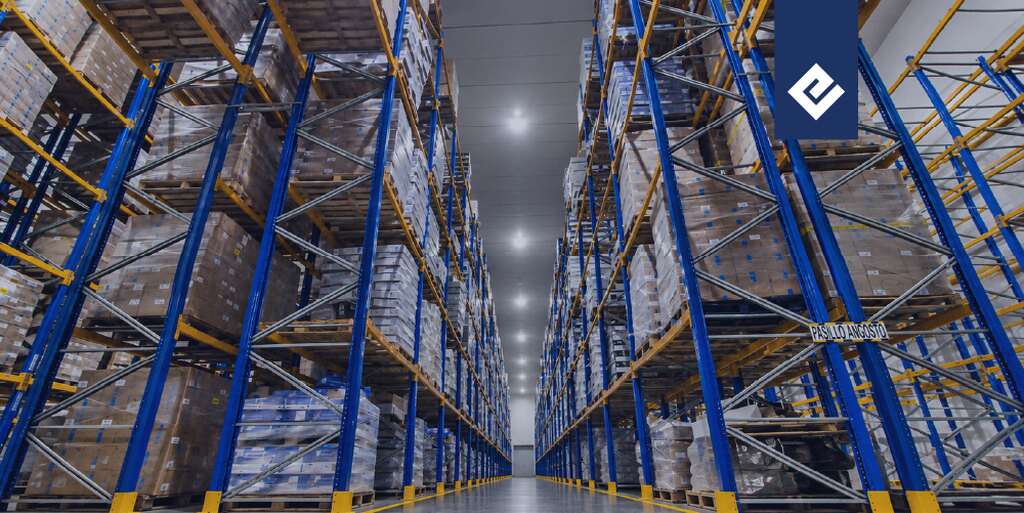
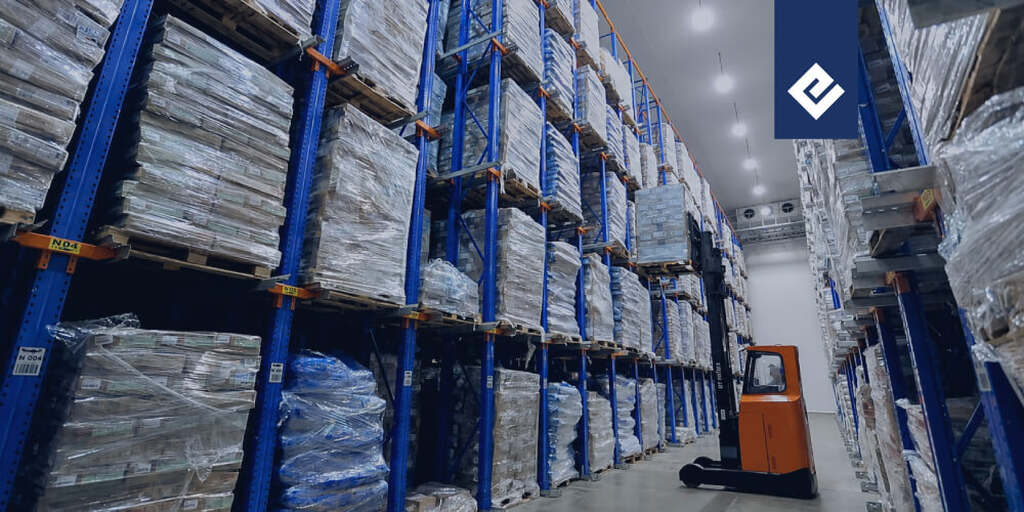
- Refrigerated storage capacity.
- Urban and last-mile distribution.
The greater the integration and visibility across these stages, the better prepared the operation tends to be to make adjustments in the face of disruptions or delays.
Learn about one of our success stories: Container Shortage—The Importance of a Reliable Supplier in Maintaining the Cold Chain
Which foods are most sensitive to changes in the cold chain?
Beef, pork, and poultry; fish; dairy products; fruits; vegetables; frozen foods; and certain processed products are among the examples.
In this context, El Niño and logistics are directly related to the need to maintain proper storage conditions throughout the cold chain.
Temperatures and storage conditions vary depending on each product. Interruptions in refrigeration or improper exposure times can accelerate spoilage, alter texture, color, flavor, and appearance, and lead to quality loss and a reduced shelf life for perishables, increasing the risk of waste throughout the supply chain.
In scenarios of greater operational instability, monitoring, adequate infrastructure, and streamlined processes help preserve food quality throughout the supply chain.
Does El Niño increase the risk of port congestion for refrigerated cargo?
Not necessarily. El Niño does not mean that all ports will face congestion. However, weather events associated with the phenomenon can cause disruptions in port operations, land access, and ship schedules.
For refrigerated cargo, delays require extra attention. In addition to delivery deadlines, it is necessary to maintain proper storage conditions while the goods await the resumption of operations.
Imagine, for example, a shipment of animal protein intended for export. If an access road to the port is temporarily blocked by heavy rains, arrival at the terminal may be delayed and require adjustments to the schedule.
In this scenario, companies that use ports may consider contingency plans involving temperature-controlled storage near major logistics corridors and terminals, as well as alternative routes and monitoring of operational conditions.
This preparation increases flexibility until the flow returns to normal.
How to Protect Perishable Food Inventories During El Niño?
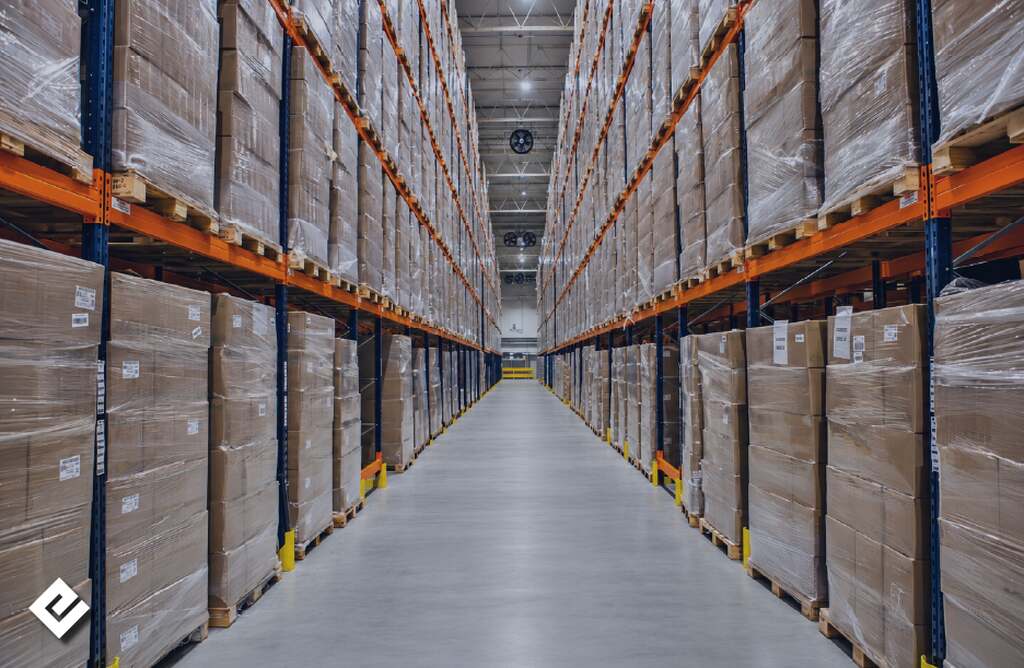
Preparing operations does not simply mean increasing inventory levels. The goal is to enhance the ability to respond to potential disruptions.
When it comes to El Niño and logistics, the first step is to identify the most vulnerable points in the supply chain, considering products with the least tolerance for delays, dependence on specific routes, and the availability of storage alternatives.
Based on this assessment, the company can evaluate strategies such as safety stocks at strategic locations, proximity between storage facilities and consumer markets, and advance booking of refrigerated capacity.
Infrastructure, temperature monitoring, and energy availability should also be part of the planning. An adequate infrastructure for perishable foods helps maintain proper storage conditions when unforeseen events extend the time inventory remains in storage.
How can logistics routes be diversified in the face of climate risk?
Diversification does not mean using different alternatives at the same time, but rather knowing in advance which options can be activated if the main route encounters difficulties.
This may involve other highway corridors, ports, distribution centers, or combinations of different modes of transport.
The location of warehouses also makes a difference. Facilities near urban centers, production regions, and port terminals can facilitate the repositioning of products and adjustments to distribution flows.
In this way, the company expands its options for responding to changes in operating conditions.
How do we help make the cold chain better prepared for weather events?
In a supply chain subject to various types of disruptions, infrastructure, location, and responsiveness all contribute to a more flexible operation.
We operate an extensive temperature-controlled logistics network in Latin America, with a presence in 11 countries: Brazil, Chile, Colombia, Ecuador, Guatemala, Mexico, Panama, Paraguay, Peru, the Dominican Republic, and Uruguay.
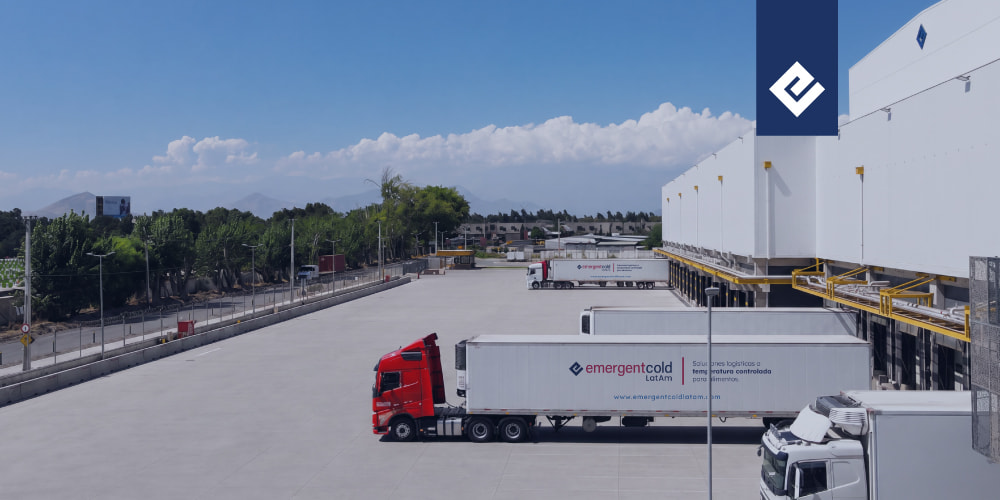
Our facilities are located in major metropolitan areas, production regions, and port terminals. With this infrastructure, we support the food industry’s various needs for refrigerated storage and logistics, both for domestic and international shipments.
We also contribute to contingency strategies, inventory repositioning, and distribution planning in response to fluctuations in demand or challenges on specific routes.
We cannot prevent weather events, but we can factor their potential impacts into our logistics planning. In this context, we work to provide infrastructure and solutions that help make the cold chain better prepared for various scenarios.
FAQ – Frequently Asked Questions About El Niño and Perishable Goods Logistics
Can El Niño affect food logistics in Latin America?
Yes. There are already forecasts of changes in rainfall and temperature patterns in various Latin American countries. These changes can compromise stages of the cold chain—such as transportation, storage, port access, and distribution—with impacts that vary by region.
How long might El Niño last, and what can we expect for 2026 and 2027?
An episode can last several months. The World Meteorological Organization (WMO) has indicated a probability close to 100% that El Niño will persist through February 2027, with intensification expected by the end of 2026.
In light of El Niño, is it necessary to increase refrigerated storage capacity?
It depends on the operation. Rather than indiscriminately increasing inventory, it is more important to assess risks, the location of shipments, and the availability of additional refrigerated capacity in case of disruptions.
Which foods might be affected by El Niño?
Meat, poultry, fish, dairy products, fruits, vegetables, and frozen foods are among the products that require attention, especially when they depend on specific temperature conditions.