

Peruvian squid, also known as the giant Pacific squid, is one of the most important products of Peru’s fishing industry. Its significance extends beyond domestic production, reaching consumer markets in Asia, Europe, and other regions.
In 2025, Peruvian squid exports reached approximately $1.42 billion, demonstrating the product’s economic importance to the country.
However, meeting international demand requires more than just fishing capacity. Processing, freezing, storage, and transportation must operate in an integrated manner to preserve product quality.
In this article, learn about Peru’s role in this market and the main logistical challenges involved in squid exports.
Squid: Peru’s Star in Seafood Production and Export
The squid (Dosidicus gigas) is a large species of squid found in the Pacific Ocean, particularly in waters near the South American coast. In Peru, its harvest is a vital economic activity for fishing communities, processing companies, and seafood exporters.
The Piura region, in the north of the country, stands out for its role in the production chain, bringing together fishing activities, processing, and the handling of cargo destined for international trade.
According to data released by the Peruvian government, squid accounted for 76% of the volume of frozen seafood products exported by the country in 2025.
The importance of this resource is also reflected in fisheries planning. In July 2026, the Peruvian government raised the maximum allowable catch limit to 589,230 metric tons, based on technical assessments.
This scenario underscores the need for a logistics infrastructure capable of keeping pace with production and connecting the Peruvian fishing sector to international markets.
Why does Peruvian squid have a place in the international market?
Peruvian squid stands out in foreign trade due to the resource’s availability, processing possibilities, and demand from different markets.
Among the factors contributing to its international trade, the following stand out:
- Versatility: it can be sold whole, as fillets, rings, tentacles, and in other forms.
- Food applications: it is used in restaurants, processing plants, and frozen products.
- Production capacity: Peru’s fishing industry and processing sector are capable of meeting the needs of various international buyers.
- Foreign demand: Asian and European countries use the product for both consumption and processing.
Furthermore, the ability to maintain quality during international transport influences the product’s competitiveness. The time between processing and delivery to the buyer may involve various stages of handling, storage, and distribution.
What are the main consumer markets for Peruvian giant squid?
Asia plays a key role among the destinations for Peruvian squid exports, particularly due to its demand for frozen seafood.
According to PROMPERÚ data on exports of frozen squid, China accounted for approximately 53% of the export value between January and July 2026.
Among the main international markets are:
- China: the main destination for exports of this category of frozen products.
- Spain: an important European market, with a significant share of imports.
- South Korea: a key market for various forms of giant squid.
- Thailand and Japan: buyers that contribute to the product’s presence in Asia.
- Italy: another important destination in the European market.
The diversity of buyers requires logistical organization, especially since destinations have different transit times and commercial requirements. That said, cargo consolidation and the availability of facilities near ports facilitate shipment preparation.
What are the main stages of the giant squid production chain in Peru?
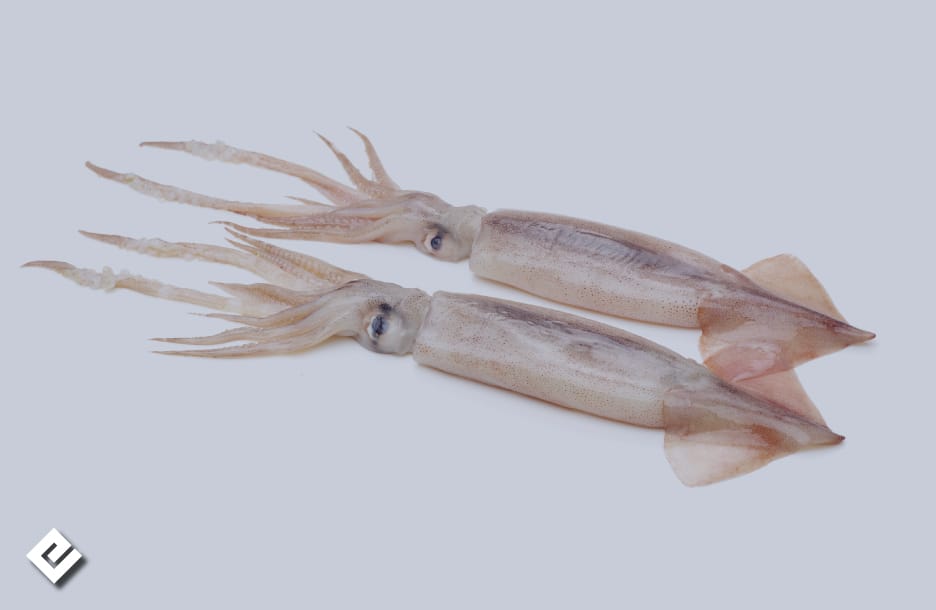
- Fishing: capture of giant squid by vessels operating in authorized fishing areas.
- Unloading: receipt of the product and transfer to processing facilities.
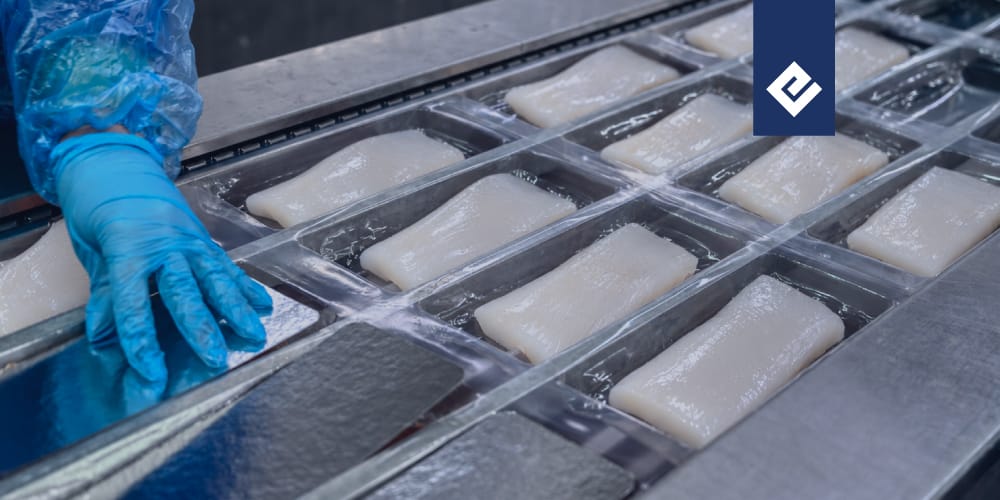
- Processing: cleaning, sorting, cutting, and preparation in accordance with commercial specifications.
- Freezing: lowering the temperature to ensure preservation during storage and transport.
- Storage: maintaining frozen products in appropriate facilities.
- Preparation for export: order picking, cargo consolidation, and transport to port terminals.
Each phase depends on proper hygiene, control, and preservation procedures. The integration of operations also helps reduce unnecessary handling and streamline international shipments.
What challenges does the seasonality of squid fishing pose for logistics?
The availability of squid can vary depending on oceanographic conditions, the species’ movements, and fisheries management measures. These fluctuations influence the volumes landed and, consequently, the demand for processing, freezing, and storage.
During periods of higher catch, companies must address three challenges:
- Storage capacity: providing space to accommodate high volumes without compromising preservation conditions.
- Operational flexibility: adjusting receipts, handling, and shipments according to the pace of production.
- Shipment planning: coordinating the availability of containers, transportation, and space on ships.
For example, when different producers complete processing during the same period, demand for cold storage can rise rapidly. A flexible storage structure allows for the organization of inventory while orders are prepared for export.
Why is batch traceability important for export?
Batch traceability allows for the identification and tracking of product groups throughout the various stages of the logistics chain. In the case of squid, this tracking can gather information on origin, processing, freezing dates, movements, and commercial destination.
Traceability contributes to:
- Inventory management: locating specific batches and tracking available quantities.
- Food safety: identification of products requiring investigation or corrective measures.
- Operational control: recording of movements between processing, storage, and shipping.
- Customer service: providing the necessary information for audits and commercial documentation.
How does refrigerated logistics support the export of Peruvian giant squid?
A well-structured logistics operation connects the fishing industry to international markets, providing storage capacity, inventory control, and appropriate transportation.
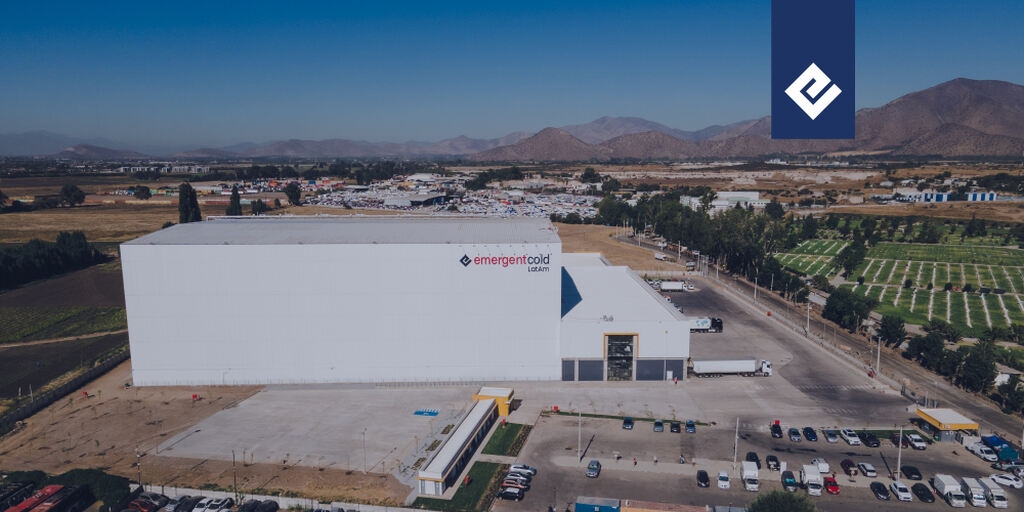
In this regard, it is worth noting that we operate in Peru with specialized temperature-controlled infrastructure. Our operation in the country comprises four facilities, located in Piura, Callao 1, Callao 2, and Lurín, which together offer 40,948 pallet spaces.
This presence is crucial for serving Peruvian food supply chains, including operations that rely on cold storage infrastructure and access to major logistics corridors.
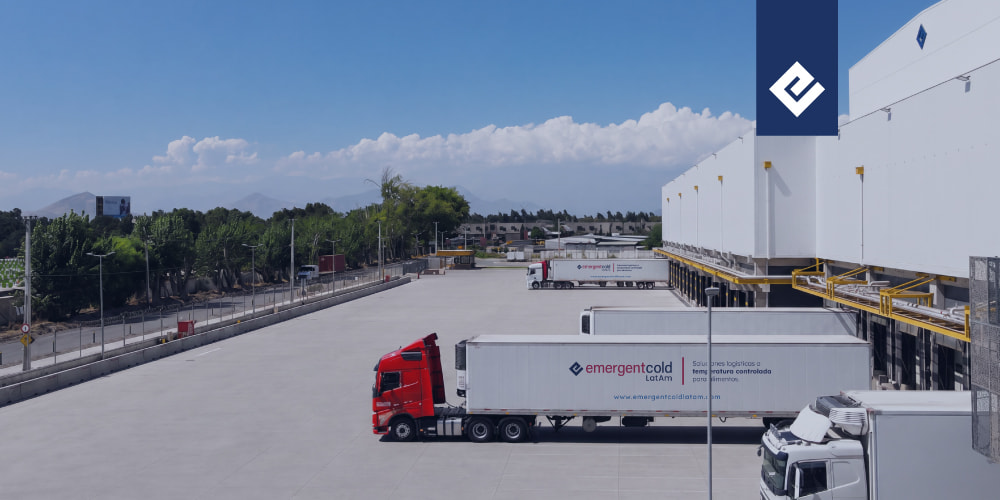
Through our temperature-controlled warehousing solutions, we offer facilities with different temperature ranges and inventory management systems. Our temperature-controlled transportation services, meanwhile, support the movement of perishable foods, connecting different stages of distribution.
The combination of these solutions helps organize batches, absorb fluctuations in demand, and prepare shipments for export, in accordance with the needs of each operation.
As a result, cold storage infrastructure plays a key role in the competitiveness of the Peruvian food industry in the international market.