

Refrigerated cargo plays a central role in the perishable food supply chain. Meat, dairy products, fruits, vegetables, medications, and various other temperature-sensitive products depend on specific temperature conditions from origin to destination.
Even a slight change in temperature can compromise quality, safety, and shelf life.
For this reason, refrigerated transport requires careful planning and constant monitoring. When any one of these stages in the cold chain fails, the impact can extend to the final product.

Refrigerated Cargo: Characteristics, Challenges, and Best Practices in Food Transportation
Refrigerated cargo is cargo that must remain within a controlled temperature range during transport. The goal is to preserve characteristics such as texture, flavor, integrity, and microbiological safety.
In practice, the required temperature depends on the product. Fresh meats, for example, have different requirements than fruits, vegetables, or frozen products.
This distinction influences the choice of vehicle, refrigeration system, packaging, and maximum transit time.
Among the most common products are:
- beef, pork, and poultry;
- milk, cheese, yogurt, and other dairy products;
- fruits and vegetables;
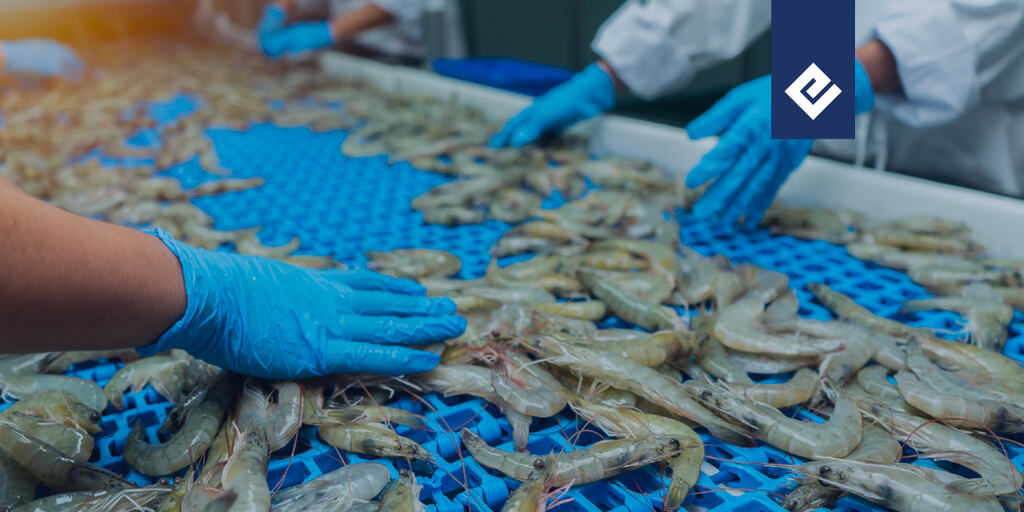
- fish and seafood;
- frozen foods;
- pharmaceutical and biological products.
Imagine a shipment of fruit leaving a distribution center in good condition.
If the truck faces hours of waiting in intense heat and the refrigeration system cannot keep up with the cargo’s temperature requirements, part of the shipment may lose quality before it even reaches the supermarket.
This example illustrates why the cold chain depends on the entire operation. The truck is important, but it represents only one part of the process.
Refrigerated, Frozen, or Climate-Controlled: What Are the Differences?
| REFRIGERATED | FROZEN | TEMPERATE | |
|---|---|---|---|
| Temperature range | Between 0°C and 8°C (varies by product) | Below -18°C (ideally -18°C or lower) | Controlled temperature and/or humidity conditions (depending on product requirements) |
| Main applications | • Fresh meat • Dairy products • Fruits and vegetables • Ready-to-eat products | • Frozen meats • Ice cream • Ready-to-eat meals • Frozen seafood | • Moisture-sensitive products • Medicines and medical supplies • Flowers and plants • Products requiring controlled ventilation |
| Objective | To maintain product quality and safety by slowing the growth of microorganisms. | To preserve frozen products, ensuring texture, flavor, and food safety. | Maintain specific environmental conditions to preserve product characteristics. |
| Specific Precautions | Constant temperature control and adequate air circulation. | Avoid partial thawing and temperature fluctuations. | Monitor temperature, humidity, and ventilation according to each product’s requirements. |
| Practical example | Transportation of cheese from a manufacturer to distribution centers. | Transporting ice cream from the manufacturer to retail chains. | Transporting flowers that require controlled humidity to prevent them from drying out. |
Every product has specific needs. Choosing the right type of transportation is essential to ensuring quality, compliance, and your customer’s trust throughout the cold chain.
The terms “refrigerated,” “frozen,” and “temperature-controlled” describe different logistical requirements. Confusing them can result in an improper operation.
Refrigerated cargo remains above the freezing point and within a defined temperature range to preserve the product. Many fresh foods fall into this category. Meat, dairy products, and certain vegetables are common examples.
Frozen cargo, on the other hand, requires significantly lower temperatures. Foods such as ice cream, frozen meats, and ready-to-eat meals must remain frozen throughout the entire operation. A significant rise in temperature can cause changes in texture and compromise preservation.
Refrigerated cargo, in turn, requires controlled environmental conditions that may involve temperature, humidity, or ventilation.
This concept applies to operations in which the product requires specific conditions, though not necessarily temperatures as low as those used for frozen cargo.
A simple example helps illustrate the difference: a box of fresh strawberries may require refrigeration; a box of frozen hamburgers requires freezing; whereas seeds, which are sensitive to humidity, may require specific climate control.
Therefore, before arranging transportation, it is essential to identify the temperature range recommended by the manufacturer or by the standards applicable to the product.
Temperature Control and Traceability: Pillars of the Cold Chain
Maintaining the correct temperature for a few hours is relatively simple. The challenge arises when the cargo travels long distances, passes through different storage points, or faces traffic congestion, inspections, and vehicle transfers.
For this reason, temperature monitoring must accompany the operation. Sensors and telemetry systems can record information during transit and generate alerts in the event of deviations.
Traceability adds another layer of security. With proper records, the company can identify when a particular change occurred, at what stage, and under what conditions.
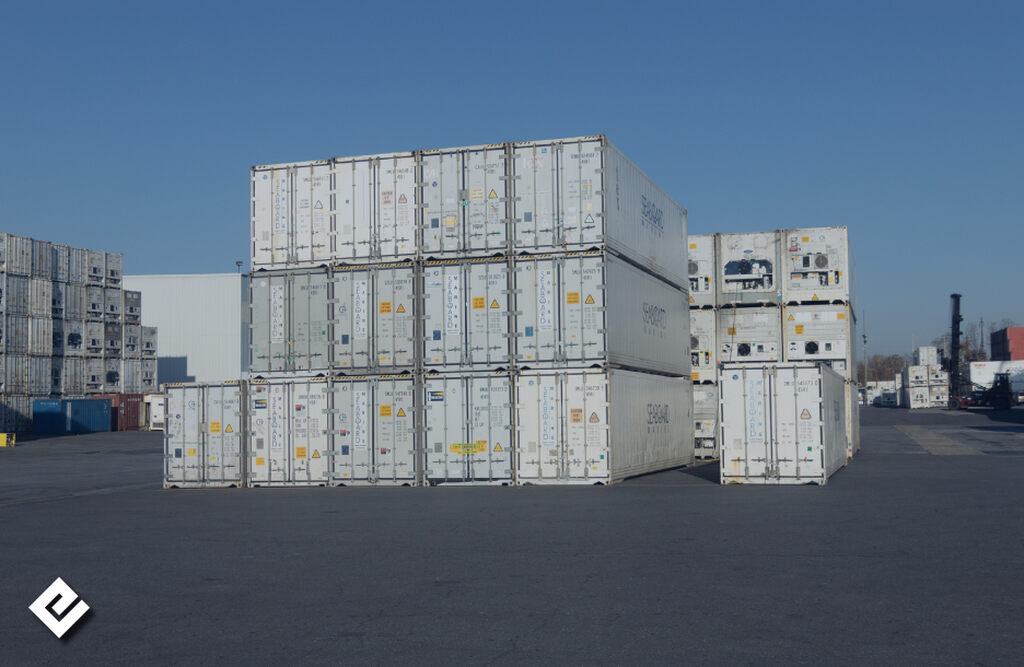
Reefer containers are an important example of this model. These containers have their own temperature control systems and are frequently used in maritime and intermodal operations.
A product can leave a manufacturing facility, proceed to a terminal, be loaded onto a ship, and then arrive in another country without losing its quality.
This requires integration among data, equipment, and teams. A temperature recorded at the start of the journey is of little value if no one monitors what happens along the way.
As Adair Reyes, Director of Transportation at Emergent Cold LatAm, points out, “In refrigerated transport, maintaining cargo integrity requires visibility throughout the entire journey. Monitoring temperature, route, and potential deviations allows for preventive action and reduces risks before they affect the product.”
The Main Challenges of Transporting Perishable Goods
Transporting perishable goods involves risks that go beyond potential mechanical failure. A temperature breach is one of the main problems. It occurs when the product remains outside the appropriate temperature range long enough to affect its preservation.
Delays also play a significant role. A truck may encounter traffic congestion, road construction, inspections, or problems at terminals. For a conventional shipment, a few extra hours may have a limited impact. In a refrigerated operation, the consequences can be much more severe.
Latin America’s logistics infrastructure adds a unique layer of complexity. Long distances, regional differences in infrastructure, uneven availability of refrigerated warehouses, and challenges on certain routes all require detailed planning.
There are also health and safety requirements. Animal products, processed foods, and other categories have specific rules for transportation and storage. Companies that operate internationally must also consider the requirements of the countries of origin and destination.
Consider an operation between two Latin American countries. The cargo may remain under temperature control in the truck, pass through a customs terminal, and then be transferred to another vehicle. Each transition represents a point that requires monitoring.
Best Practices for Maintaining Quality Throughout the Entire Operation
An efficient operation begins before the truck even leaves. Planning should consider:
- Product;
- Temperature;
- Route;
- Estimated time;
- Stops;
- Equipment;
- And contingencies.
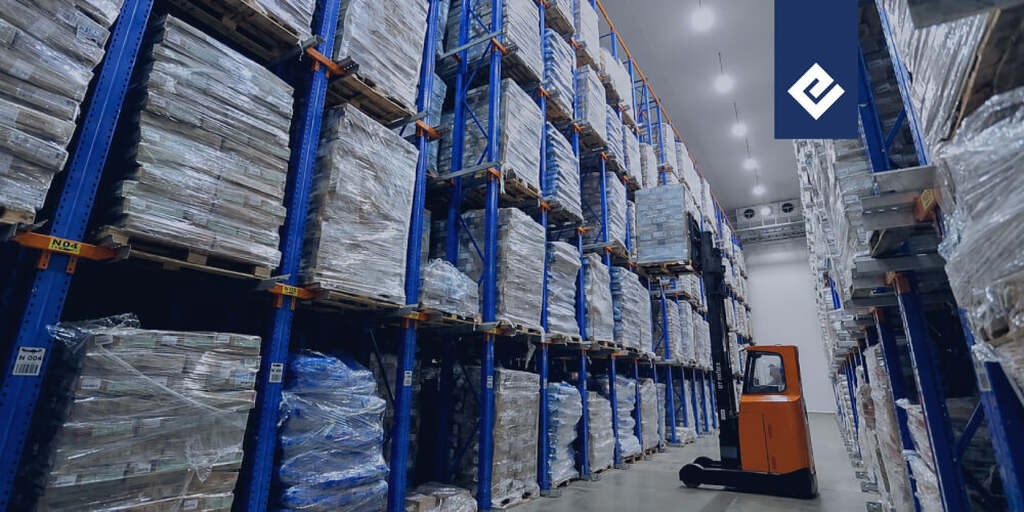
Temperature-controlled storage also requires attention. The product must enter and exit cold storage rooms or facilities that meet its temperature requirements. Doors left open for extended periods, excessive handling, and improper organization can compromise internal temperature stability.
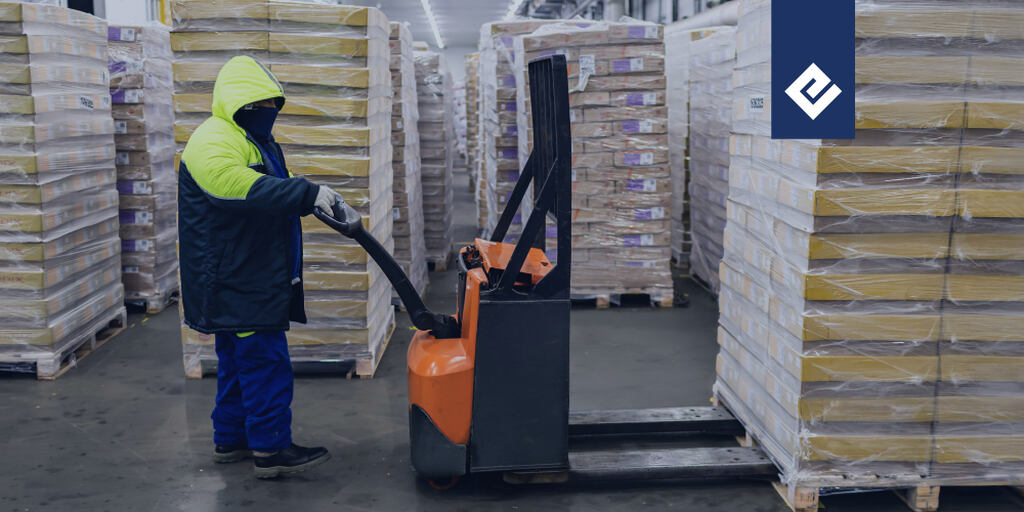
Loading requires similar care. Air circulation inside the refrigerated vehicle must be maintained. In this regard, improperly stacked packages can create areas with varying temperatures.
Another consideration is pre-cooling. Depending on the product and the operation, the vehicle and cargo space must reach the appropriate temperature before loading.
Documentation also makes a difference. Records of temperature, loading and unloading times, lot identification, and origin and destination information enhance traceability.
In addition, staff must be familiar with applicable sanitation procedures. Clean equipment and clear protocols reduce risks throughout the operation.

Integrated Infrastructure for a More Efficient Cold Chain
The efficiency of the cold chain depends on the connection between transportation, storage, and operational management. When each stage operates in isolation, the chances of transfer failures increase.
In this context, Emergent Cold LatAm operates with infrastructure tailored to the refrigerated and frozen product supply chain.
The company offers specialized transportation solutions, temperature-controlled storage, and integrated operations for various markets across Latin America.
This integration becomes particularly important for shipments that go through multiple logistics stages. A food product may leave the manufacturing facility, be stored in a refrigerated facility, be transported via specialized transport, and then reach another distribution center. The more coordinated these stages are, the greater the control over the shipment tends to be.
For domestic and international operations, the combination of infrastructure, technology, and logistics expertise becomes particularly important. After all, preserving a refrigerated shipment requires much more than simply maintaining the temperature during transport.
It is necessary to record information, plan routes, manage transfers, and comply with health regulations. Ultimately, the quality of the product that reaches the consumer depends on a series of decisions made long before delivery.
Learn how our food logistics work!
FAQ on Refrigerated Cargo
What Type of Vehicle Is Recommended for Transporting Refrigerated Cargo?
Refrigerated vehicles, such as trucks and trailers equipped with refrigeration systems, are suitable for this type of operation. The choice depends on the volume, distance, product, and required temperature range.
How Does the Maintenance of a Refrigerated Vehicle Work?
Maintenance involves periodic inspections of the refrigeration system, door seals, sensors, and monitoring instruments. Preventive maintenance reduces the risk of failures during transport and helps preserve the cargo’s temperature stability.
What Happens When Refrigerated Cargo Loses Temperature?
A temperature breach can accelerate product spoilage, compromise its quality, and reduce its shelf life. Depending on the goods, it can also pose a food safety risk and result in commercial losses.