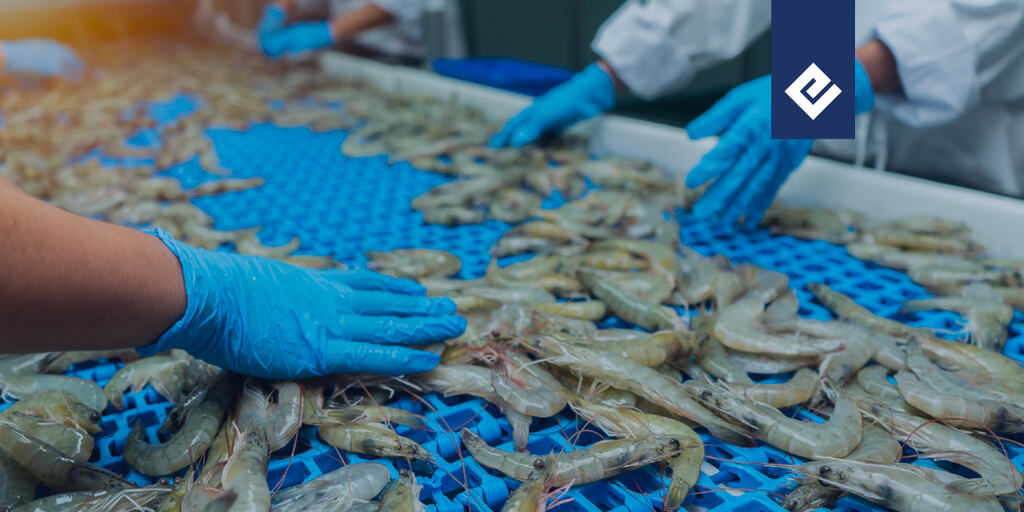


Container Loading is a strategic step in the international logistics of refrigerated and frozen foods. When carried out with proper planning and technical criteria, it helps preserve product quality during transport and promotes operational efficiency throughout the cold chain.
Factors such as container selection, temperature control, palletizing, cargo distribution, and traceability are part of this process and directly influence operational performance.
In this article, we highlight the key considerations for container loading and explain why relying on a specialized operation makes all the difference.

Container selection, palletizing, and weight distribution: what factors make a difference?
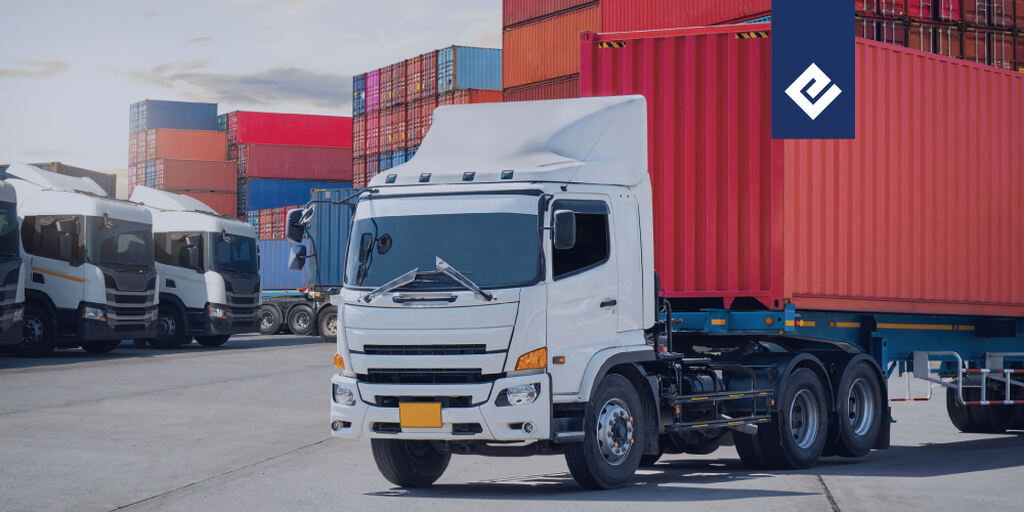
An efficient container loading operation begins even before the goods are loaded. Load planning allows you to determine the most appropriate container type, taking into account factors such as the volume being transported, the characteristics of the products, and the temperature required to preserve them throughout the journey.
In the case of perishable foods, the choice of a refrigerated (reefer) container must be accompanied by a prior inspection of the equipment’s condition. Factors such as sealing, cleanliness, and the proper functioning of the refrigeration system help ensure that the operation begins under the right conditions.
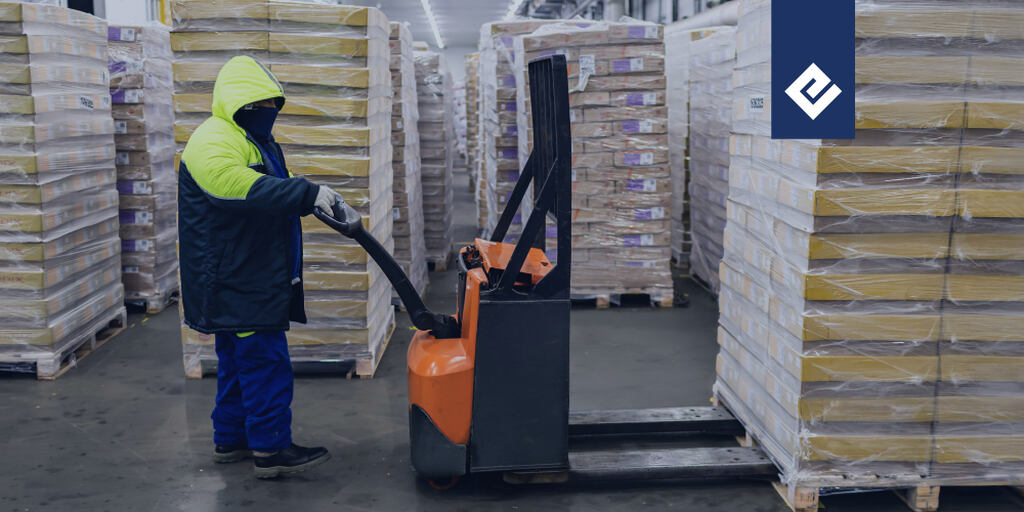
Another important aspect is palletization. Properly arranging boxes on pallets facilitates cargo handling, improves stability during transport, and helps reduce the risk of damage to packaging and products.
Weight distribution within the container also warrants attention. A balanced load promotes the stability during land and sea transport, in addition to preventing shifts that could compromise the integrity of the goods.
When necessary, the use of locks, straps, and other restraint devices complements the operation, keeping the pallets firmly in place until they reach their final destination.
Temperature Control and Air Circulation: Pillars of Preservation During Transport
In refrigerated logistics, maintaining the correct temperature depends on a combination of factors. One of these is ensuring that food is loaded at the recommended temperature for transport, since the refrigerated container is designed to maintain that condition throughout the journey.
Another essential aspect is maintaining air circulation inside the container. Reefer containers continuously distribute chilled air to maintain a uniform temperature throughout the cargo. Therefore, during loading, it is important to leave space for airflow and prevent boxes or pallets from blocking the ventilation channels.
When air circulation is compromised, temperature differences can arise between different areas of the container, affecting food preservation and reducing refrigeration efficiency.
A well-planned operation takes these aspects into account from the moment of loading, helping to maintain product quality until delivery.
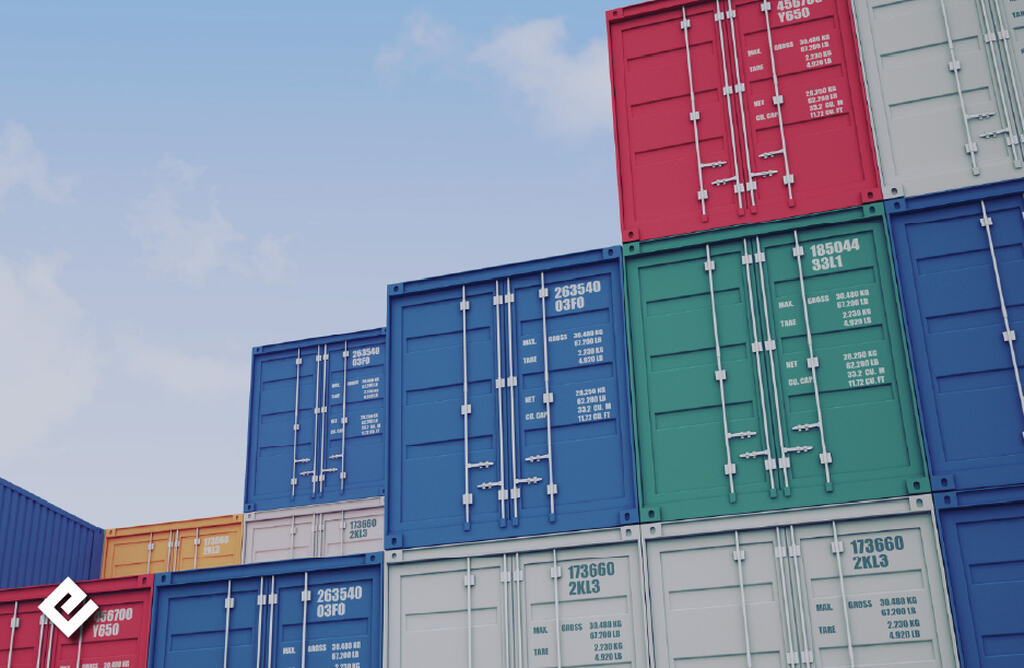
What risks can improper Loading pose?
Minor errors during loading can have significant impacts throughout international transport, especially when dealing with perishable foods.
Among the main risks are cargo shifting during transit, damage to packaging, uneven temperature distribution, and compromised product integrity. Depending on operational conditions, these issues can result in cargo losses, delivery delays, and increased logistics costs.
In addition to operational impacts, improper loading can affect relationships between exporters, importers, and other supply chain partners, particularly when there are discrepancies in the quality of the delivered products.
For this reason, investing in standardized processes carried out by specialized teams is a way to reduce risks and increase operational reliability.
The Role of Traceability in Refrigerated Logistics
Traceability is a key ally in temperature-controlled logistics. By recording information about each stage of the operation, it provides greater visibility into the cargo’s route and facilitates monitoring of transport conditions.
During container loading, this process involves recording information such as cargo identification, container number, seal number, loading times, and temperature parameters used in the operation.
Together with monitoring technologies, these records contribute to decision-making, offer greater transparency among the different links in the logistics chain, and make it easier to identify potential deviations during transport.
In addition, traceability strengthens operational control and contributes to safer and more efficient logistics processes.
Why rely on a specialized partner?
Container loading involves various activities that require technical expertise, adequate infrastructure, and standardized procedures. From equipment selection to cargo organization, each step influences the performance of the logistics operation.
Companies specializing in the cold chain have trained teams to perform these activities according to each product’s specific characteristics, reducing risks during loading and transport.
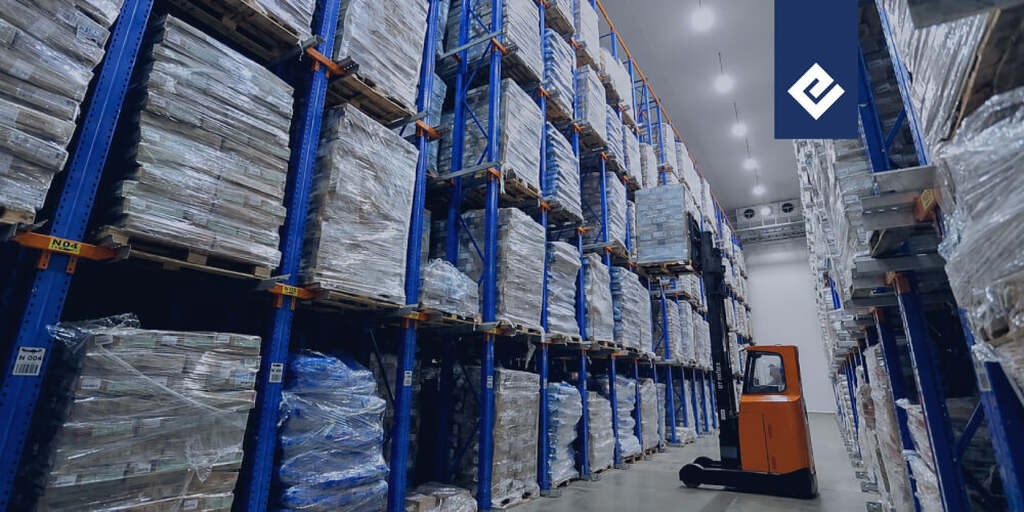
Another key advantage is the availability of facilities equipped to handle refrigerated and frozen foods, ensuring that the cargo remains under temperature control throughout all stages leading up to shipment.
By centralizing storage, handling, stuffing, and transportation with a single partner, companies also gain greater operational integration, agility, and predictability in their export operations.
Discover our solutions for the storage and transportation of perishable foods
We offer integrated solutions for storage, transportation, and logistics operations with temperature-controlled facilities. Our infrastructure was developed to meet the needs of the cold chain, supporting companies that handle refrigerated and frozen foods in both domestic and international operations.
This commitment to operational efficiency is also reflected in the expansion of our infrastructure. We recently opened the largest automated food warehouse in Latin America, strengthening our ability to offer integrated solutions for the cold chain, from storage to support for container loading operations.
This investment responds to growing market demand for increasingly efficient operations. As Alain Eichmann, general manager of Emergent Cold LatAm’s Andean region, noted:
“We are seeing growing demand for temperature-controlled food storage and distribution solutions, which makes the development of cold chain infrastructure a crucial element for various production sectors.”
In addition to container loading, we offer refrigerated storage, transportation, cross-docking, processing, and other services that contribute to a more integrated and reliable supply chain.
With facilities strategically located near major urban centers and key port terminals throughout Latin America, we support our clients in moving cargo with greater agility, control, and security at every stage of the operation.