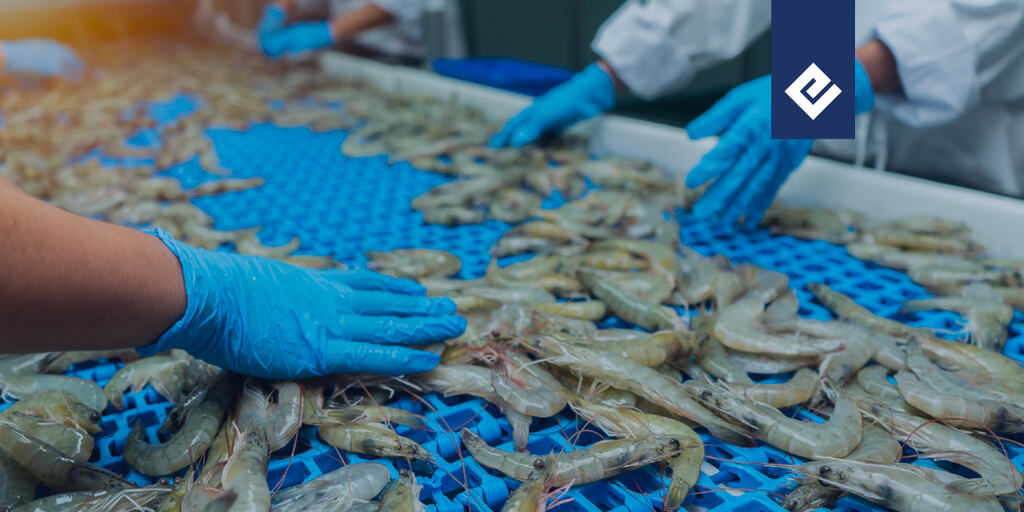


The food retail industry faces a unique combination of logistical challenges that directly impact product availability, the consumer experience, and companies’ financial results.
The growing demand for fast deliveries, the expansion of sales channels, and the need to preserve food quality require increasingly efficient operations.
At the same time, perishable products have characteristics that make logistics management more complex, requiring strict inventory control, proper storage, and precise distribution.
In this scenario, aspects such as demand forecasting, omnichannel distribution, last-mile delivery, and cold chain maintenance play a strategic role in ensuring competitiveness and reducing waste.
Throughout this content, learn about the main logistical challenges facing the sector and how specialized solutions can contribute to more efficient and safer operations.

What Makes Food Retail Logistics So Challenging?
Logistics in the food sector must balance speed, availability, and product quality throughout the entire supply chain.
Unlike other segments, supermarkets, discount stores, convenience store chains, and food e-commerce platforms handle items with short shelf lives that require specific storage and transportation conditions.
In addition, consumer behavior has changed significantly in recent years. Today, it is common for a single purchase to be made across different channels, such as brick-and-mortar stores, apps, marketplaces, and proprietary platforms.
At the same time, the food industry in Latin America faces another major challenge: reducing waste. According to Alain Eichmann, General Manager for the Andean Region at Emergent Cold LatAm, one of the key pillars for addressing this challenge is having a logistics infrastructure capable of bringing food closer to consumer markets through strategically located distribution centers and an efficient cold chain that preserves product quality at every stage of the operation.
This complexity requires even greater integration between inventory, transportation, and distribution centers, making logistics one of the cornerstones of the operation.
Inventory Management: Balancing Stockouts and Excess Inventory
One of the sector’s greatest challenges is finding the right balance between product availability and inventory levels.
When a product is unavailable for sale, a stockout occurs. In addition to causing an immediate loss of revenue, stockouts can compromise the consumer experience and drive customers to competitors.
On the other hand, maintaining inventory levels above demand poses a significant risk, especially for refrigerated and frozen foods. Excess inventory increases operating costs, takes up storage space, and can result in losses due to expiration.
For this reason, companies have been increasingly investing in management tools that offer greater visibility into inventories, the movement of goods, and consumer behavior.
Methods such as FEFO (First Expire, First Out), widely used in the food industry, help ensure that products with the nearest expiration dates are shipped first, reducing waste.
Learn about one of our success stories: From Chaos to Precision: The Importance of Inventory Control with Real-Time Weighing in Food Logistics
Omnichannel Distribution and the New Consumer Shopping Journey
As mentioned at the beginning, many customers today switch between physical and digital channels during their shopping journey.
They may search for products online, purchase via an app and pick up in-store, or request direct home delivery. This model, known as omnichannel distribution, requires highly integrated and synchronized operations.
To function properly, information on inventory, orders, and availability must be updated in real time. Any communication breakdown between systems can lead to delays, cancellations, and customer dissatisfaction.
Furthermore, the operation must ensure that perishable foods maintain their quality characteristics regardless of the channel used for the purchase.
Last mile: the Challenge of Fast Delivery for Perishable Products
The final stage of distribution, known as the last mile, is another major strategic focus for the food sector.
With consumers becoming increasingly demanding, delivery times now directly influence purchasing decisions. In many markets, same-day or within-hours deliveries are already considered competitive advantages.
However, it is worth noting that, for perishable foods, speed must not compromise quality.
Refrigerated and frozen products require constant temperature monitoring during transport. Additionally, factors such as urban traffic, route planning, and delivery windows must be managed efficiently to avoid delays and losses.
When well-structured, the last-mile operation helps increase customer satisfaction, reduce returns, and preserve food integrity.
How Demand Forecasting Impacts Operational Efficiency
By analyzing historical data, seasonality, consumer trends, and specific events, companies can anticipate future needs and adjust their operations more efficiently.
Inadequate forecasting can have significant consequences. If demand is underestimated, there is a greater risk of stockouts and lost sales. Conversely, overly optimistic projections can result in high inventory levels and increased waste.
In the perishable food sector, where many products have a limited shelf life, the accuracy of forecasts becomes even more critical. Data analytics and artificial intelligence technologies are being used to improve this process, enabling faster and more informed decisions.
The Role of the Cold Chain in Food Retail
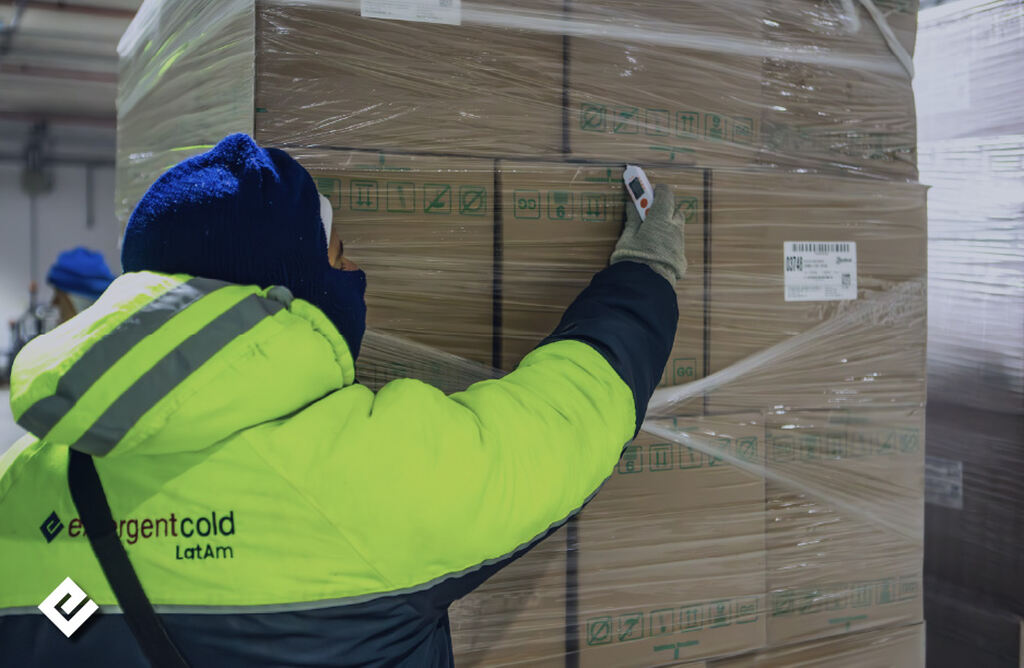
Regardless of the sales channel or logistics strategy adopted, the cold chain is essential for preserving food quality. It involves temperature-controlled storage, handling, and transportation, reducing the risk of losses and spoilage.
In food retail, this control becomes even more important due to high product turnover, short lead times, and the diversity of sales channels. When well-structured, the cold chain helps extend the shelf life of food, improve inventory utilization, and ensure greater safety throughout the operation.
Check out another one of our success stories: VPC Company: How the Cold Chain Boosted Sales by 15% and Reduced Waste by 4.5%.
Conclusion
Food retail logistics requires a balance between availability, speed, and preserving product quality. Challenges such as inventory management, demand forecasting, omnichannel distribution, last-mile delivery, and the cold chain directly influence operational efficiency and the consumer experience.
Therefore, investing in well-structured processes and relying on specialized partners can help reduce losses, improve logistics control, and strengthen companies’ competitiveness in an increasingly demanding market.