

Frozen food storage requires much more than simply keeping products in a cold storage room.
Temperature, infrastructure, monitoring, inventory organization, and traceability must all work seamlessly together to preserve food quality throughout the cold chain.
For food manufacturers, retailers, distributors, and exporters, failures in this process can result in product losses, increased costs, and difficulties in maintaining operational efficiency.
Therefore, understanding the requirements of a cold storage operation is important both for those who manage their own facilities and for companies considering outsourcing this stage of their logistics operations.
Frozen Food Storage: What Are the Key Requirements?
A frozen food storage operation must be planned to maintain proper product preservation conditions throughout the entire time the products are in stock.
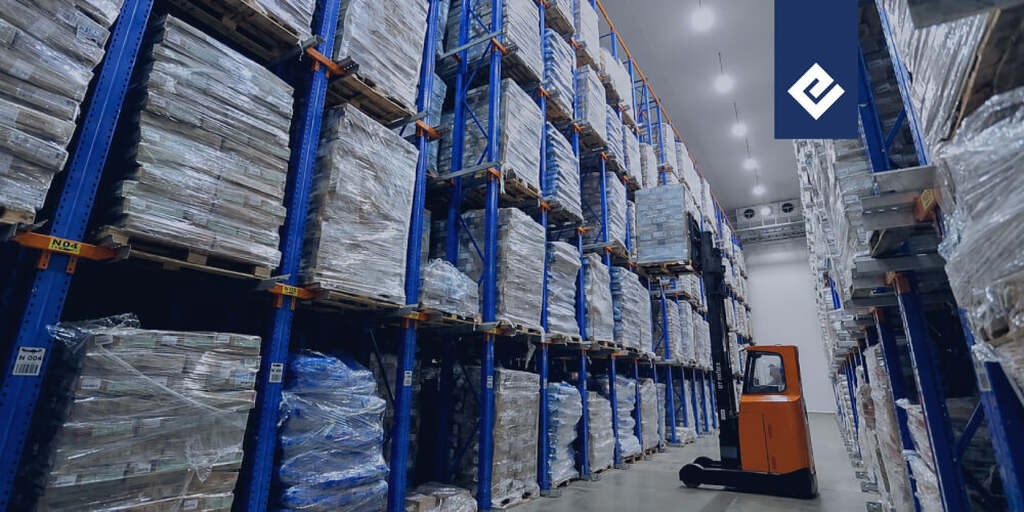
This starts with the infrastructure. Cold storage rooms must have thermal insulation and refrigeration systems sized appropriately for the operation’s characteristics. Equipment, handling areas, and processes must also help minimize temperature fluctuations.
Another requirement is continuous temperature monitoring. Monitoring the conditions inside the cold storage rooms allows for the identification of deviations and enables a rapid response to situations that could put the products at risk.
Storage operations must also include hygiene procedures, inventory organization, preventive equipment maintenance, access control, and product traceability.
Which products require frozen storage?
Different categories of food may require frozen storage to preserve their characteristics and extend their shelf life.
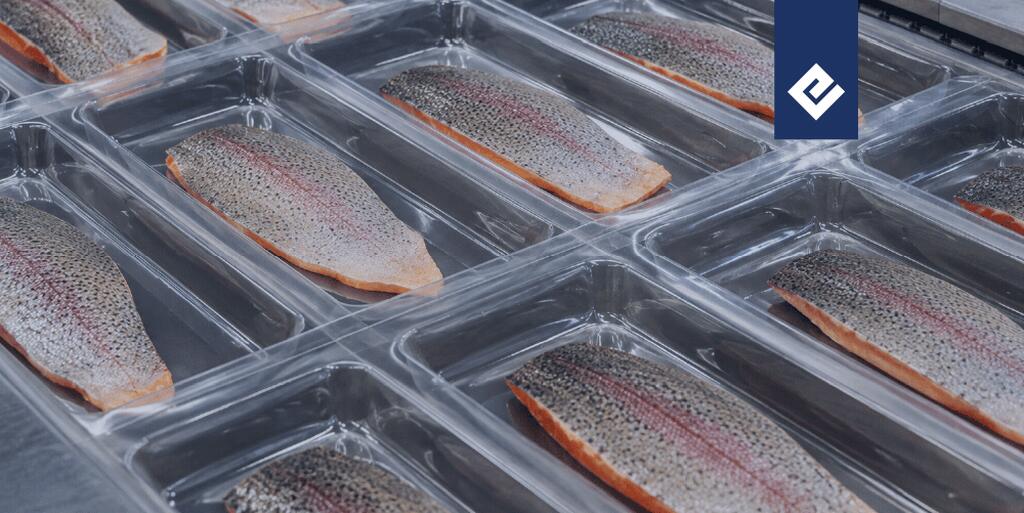
Examples include beef, pork, and poultry; fish; ready-to-eat meals; vegetables; fruits; pasta; baked goods; ice cream; and other frozen processed foods.
The storage conditions, however, are not necessarily the same for all of them. Product characteristics, packaging, manufacturer specifications, and destination market requirements can dictate different operational parameters.
Therefore, a frozen storage facility must be capable of handling the specific requirements of each shipment, avoiding a one-size-fits-all approach for products with distinct needs.
What temperature should be maintained for frozen products?
Generally speaking, -18 °C or lower is a standard temperature used for storing frozen foods. However, the appropriate temperature must take into account each product’s specifications and the requirements applicable to the operation.
More than simply reaching a certain temperature, it is essential to maintain thermal stability.
Frequent temperature fluctuations can affect characteristics such as texture, appearance, and food quality. Depending on the product and the intensity of the variation, cycles of thawing and refreezing can also contribute to undesirable changes.
Therefore, temperature control must accompany the product from the moment it is received at the warehouse through shipment and onward during transport.
How can a break in the cold chain be prevented?
A break in the cold chain occurs when the product is exposed to inappropriate temperature conditions at any stage of the operation.
To reduce this risk, it is necessary to look beyond the cold storage rooms. Receiving, handling, sorting, loading, and transportation are also part of the chain and must be planned to limit the food’s exposure to inappropriate temperatures.
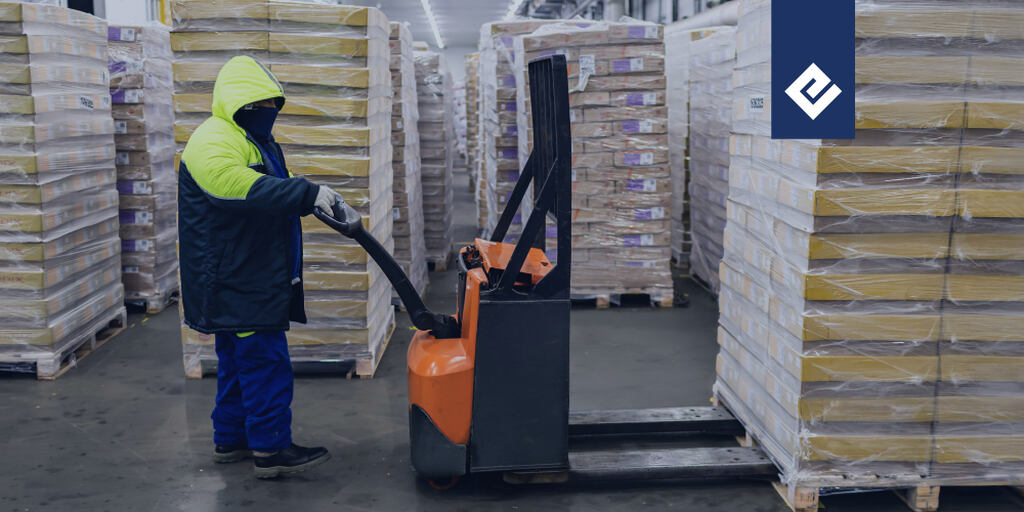
Best practices include minimizing the time cold storage doors are open, organizing loading and unloading in advance, maintaining equipment in good condition, and establishing clear procedures for deviations.
Integration between storage and transportation also helps reduce points of vulnerability. The better the coordination between these stages, the shorter the product’s exposure time tends to be during transfers.
How do temperature control and traceability work?
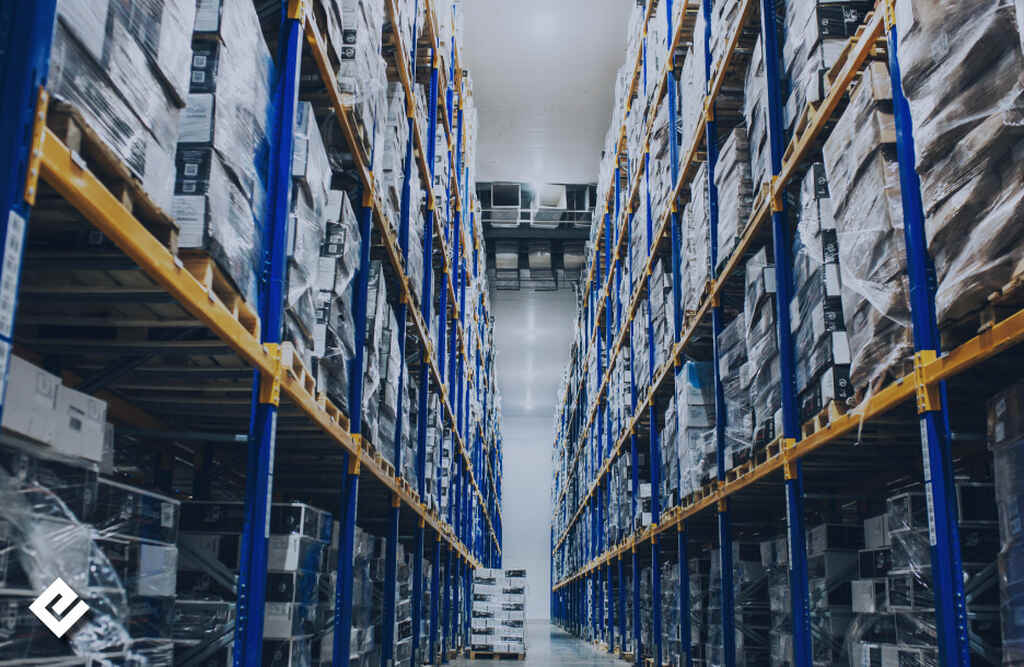
In a modern refrigerated facility, sensors and monitoring systems allow for tracking the temperature of storage areas and maintaining records of operating conditions.
This history provides important information for identifying deviations, evaluating incidents, and verifying how products were stored.
Meanwhile, food traceability allows for tracking information such as batch number, origin, movements, location in inventory, and destination. Thus, if it becomes necessary to locate a specific shipment, the operation can respond more quickly and accurately.
When temperature control and traceability work together, managers gain greater visibility into inventory and conditions, enabling them to make data-driven decisions.
What health standards and controls does storage require?
The storage of frozen foods must comply with health requirements and best practices applicable to the product type, the operation, and the markets served.
This involves, for example, hygiene and cleaning procedures, pest control, facility maintenance, contamination prevention, staff training, and process documentation.
Internationally recognized standards and certifications can also be part of companies’ strategies for structuring their food safety management systems.
Since requirements may vary depending on the product and the country of origin or destination, it is important to have processes capable of adapting to the specific characteristics of each operation.
How much does it cost to store frozen products?
There is no single price for frozen storage. The cost depends on the characteristics of the operation and the services required.
Storage volume, duration of storage, number of handling operations, product characteristics, required temperature, and additional services are among the factors that can influence the price structure.
Therefore, evaluating only the cost per pallet space does not always provide a complete picture.
It is also important to consider the total cost of the operation, including losses, resource consumption, labor, equipment maintenance, technology, and the capacity needed to accommodate fluctuations in demand.
In this scenario, outsourcing cold-chain logistics can be an alternative for companies that wish to access infrastructure and specialized knowledge without maintaining the entire structure in-house.
How to Choose a Logistics Provider for Frozen Products?
The choice of a cold storage provider should consider more than just available capacity and price.
Adequate infrastructure, warehouse locations, experience with different product categories, and structured temperature-control processes are some of the factors that deserve attention.
It is also recommended to evaluate aspects such as:
- Traceability: the ability to track products, lots, and movements.
- Technology: systems used for monitoring and managing inventory.
- Food safety: procedures adopted to preserve the integrity of shipments.
- Operational capacity: infrastructure to handle volume and fluctuations in demand.
- Logistics integration: the ability to combine storage, transportation, and other services.
- Reliability: processes, teams, and response plans to handle incidents.
The ability to invest in infrastructure also helps indicate how well-prepared an operator is to keep pace with growth and changes in demand.
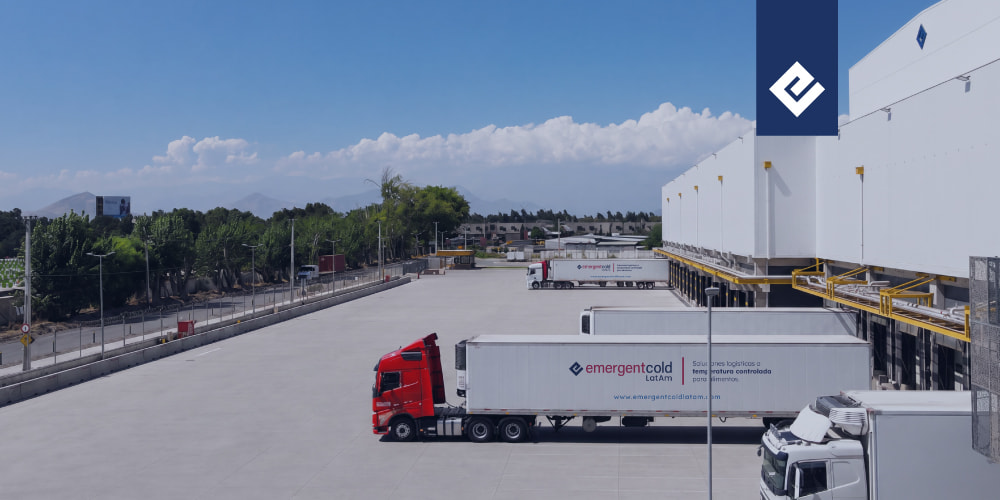
This trend can be seen, for example, in the expansion of the Olivo facility operated by Emergent Cold LatAm in Santiago, Chile, which now features 33,000 pallet positions and an automated handling and storage system.
According to Alain Eichmann, general manager for the Andean region at Emergent Cold LatAm, “We are seeing growing demand for temperature-controlled food storage and distribution solutions, which makes the development of cold chain infrastructure a crucial element for various production sectors.”
This analysis helps identify a partner capable not only of storing products but also of meeting the operation’s needs with the right structure, technology, and adaptability.
Learn more: how our services can support your storage and transportation operations
We offer temperature-controlled logistics solutions for companies that need to store and move frozen food safely, efficiently, and with full visibility.
Our infrastructure combines refrigerated warehouses, technology, monitoring, traceability, and specialized teams, meeting the diverse needs of the cold chain.
In addition to storage, our solutions can integrate transportation and other logistics services, helping to reduce transfer points and simplify operational management.
With facilities located in major metropolitan areas and port terminals across Latin America, Emergent Cold LatAm operates in Brazil, Chile, Colombia, Ecuador, Guatemala, Mexico, Panama, Peru, Uruguay, Paraguay, and the Dominican Republic.
This regional presence enables us to support operations focused on both the domestic market and regional and international trade flows.
For companies seeking to outsource cold storage or expand their logistics capacity, having a specialized infrastructure makes it possible to transform a complex operational step into a more connected, traceable supply chain that is prepared for different demands.
FAQ – Frequently Asked Questions
What are the 4 types of storage?
Among the most common models are in-house storage, outsourced storage, contracted storage, and shared storage. The choice depends on the operation’s needs, the type of product, and the available logistics infrastructure.
How should frozen foods be stored?
Frozen foods must be kept at a controlled temperature, with continuous monitoring and processes that preserve their quality. Proper facilities, traceability, and good handling practices are also essential.
What laws regulate frozen products?
Requirements vary by country, food type, and destination market. In general, they involve criteria related to preservation, hygiene, temperature, transportation, storage, and food safety.