

The logistics of refrigerated and frozen foods require strict control of critical variables such as time, temperature, and operational execution throughout the entire chain. Since this is a sensitive operation, product integrity depends on the continuous maintenance of specific conditions.
When this control fails, the impacts are direct: compromised quality of perishables, non-compliance with sanitary requirements, operational losses, and increased costs. In chains under pressure from deadlines and efficiency demands, these risks intensify and reduce the margin for tolerance of deviations.
Given this scenario, defining the logistics structure becomes a critical risk mitigation decision.
Proximity to ports and the use of port warehouses help reduce exposure time, increase operational predictability, and ensure greater thermal stability—essential factors for the continuity and safety of the cold chain.
The strategic role of the port warehouse in the food supply chain
The port warehouse is a facility located within or in the immediate vicinity of the port, designed to receive, store, and route cargo immediately after unloading, acting as a link between maritime transport and land-based distribution.
Its primary function is to organize and ensure the continuity of the logistics flow, integrating stages such as storage, inspection, release, and redistribution into a single operational hub.
This centralization reduces the fragmentation of operations and improves coordination between logistics and regulatory agents, resulting in more structured flows and greater control over sensitive cargo. In perishable food supply chains, this organization is essential to maintaining product integrity throughout the process.
Temperature Control and Food Quality Preservation
Temperature control is central to the logistics of perishable goods. Temperature ranges such as 0 °C to 5 °C for refrigerated goods and ≤ -18 °C for frozen goods must be maintained continuously to preserve quality and food safety.
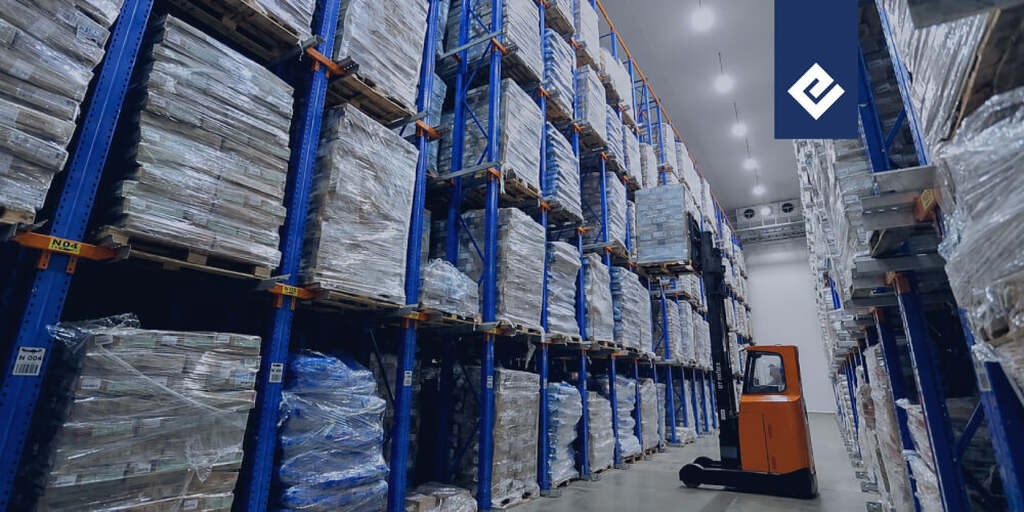
In port warehouses, this requires cold storage rooms segmented by temperature range, sensors distributed in critical areas (storage and docks), and redundant refrigeration systems. Operational protocols are also essential to reduce exposure time during handling.
Another necessary precaution is continuous monitoring via digital devices (such as data loggers), which ensures traceability and supports audits. Rapid detection of deviations allows for immediate corrective actions.
Integration Between Port Warehousing and Foreign Trade Operations
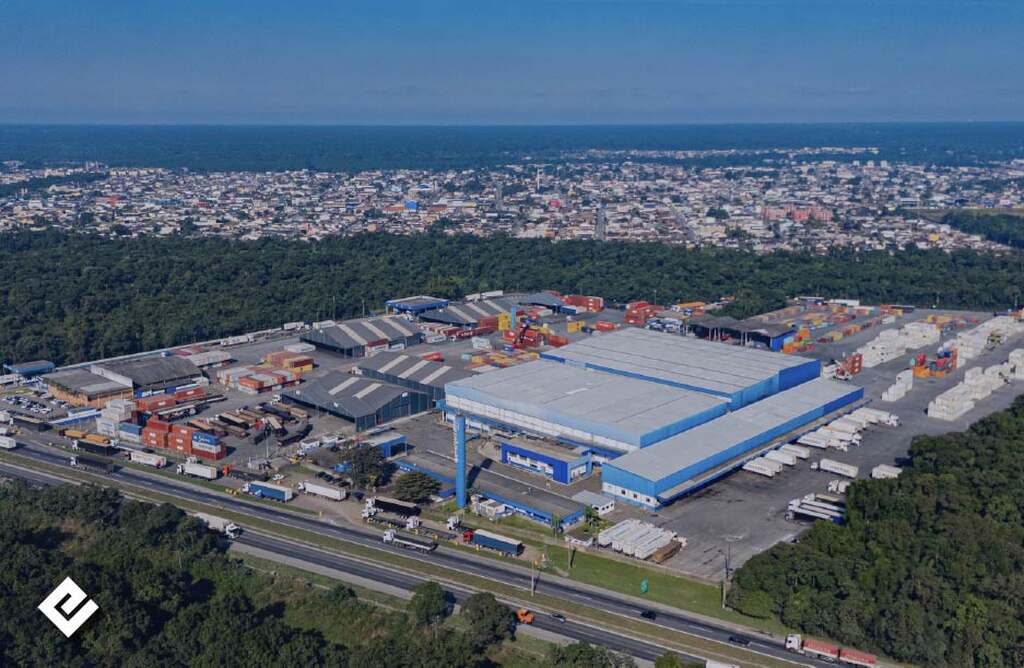
The efficiency of foreign trade operations depends on the integration of warehousing, transportation, and regulatory processes. The port warehouse plays a central role in this dynamic by consolidating critical activities into a single operational hub.
This integration allows for greater fluidity in cargo flow, resulting in fewer bottlenecks and improved operational response times. Additionally, it facilitates coordination among carriers, freight forwarders, and regulatory agencies.
For companies involved in the import and export of perishable foods, this structure directly contributes to reducing operational risks and providing greater control over logistics timelines.
How Port Warehousing Supports Customs Clearance
In operations involving perishables, reducing cargo handling and dwell time is essential to maintaining the integrity of the cold chain. According to Ivan Andres Peralta, Director of Operations at Emergent Cold LatAm for Mexico & the Caribbean, proximity to ports and consumption centers helps reduce operational risks and increase logistics efficiency.
The presence of adequate infrastructure within the port environment contributes to streamlined customs clearance. Areas equipped for inspection, cargo segregation, and document organization facilitate the work of regulatory agencies.
This support reduces the time cargo spends in limbo and minimizes costs associated with prolonged storage or demurrage. For perishable goods, this efficiency is essential to preserve quality and prevent losses.
The integration between logistics and customs systems also facilitates the anticipation of processes, increasing predictability and reducing the risk of detentions.
Key Logistical Challenges for Frozen and Refrigerated Foods
The logistics of perishable foods present structural challenges that require constant attention. Temperature fluctuations, loading delays, port delays, and infrastructure limitations are among the main operational risks.
Prolonged exposure outside controlled environments can compromise entire shipments. Meanwhile, failures in logistics coordination increase transit time and reduce product shelf life.
Furthermore, the need for specialized infrastructure creates operational barriers for companies that do not have established partners in the cold chain.
Technology and infrastructure for more reliable port operations
The adoption of technology is a key factor in improving control and efficiency in port operations. Real-time monitoring systems allow for tracking of temperature, cargo movement, and cargo status.
Solutions such as WMS, IoT sensors, and operational automation reduce reliance on manual processes and increase operational accuracy. This helps reduce errors and ensures greater consistency in results.
From a structural standpoint, warehouses with climate-controlled docks, multi-temperature chambers, and redundant systems offer greater security for sensitive cargo and support more complex operations.
Discover our solutions for the storage and transportation of perishable foods
We serve as a strategic partner for companies that handle temperature-controlled foods and require a high level of logistical reliability.
With assets located near major ports and consumption centers, we integrate storage, transportation, and distribution into a structured and efficient operation. Our infrastructure is designed to accommodate different temperature ranges, with strict control and continuous monitoring.
The combination of technology, standardized processes, and operational expertise allows us to reduce risks, increase predictability, and optimize costs throughout the cold chain.
The port warehouse has established itself as a strategic asset for operations that require agility, temperature control, and high logistical reliability, especially in supply chains involving perishable goods and increasingly dynamic international flows.