

In the FMCG market, where consumption is daily and turnover is rapid, any delay, disruption, or loss directly impacts revenue, consumer experience, and brand trust.
It is in this context that the Fast-Moving Consumer Goods industry develops. Food, beverages, and essential items move through extensive logistics chains, with short deadlines, high turnover, and little margin for error.
To sustain this pace, companies in the sector need to go beyond basic operations and structure efficient, integrated, and data-driven processes, especially in dynamic markets such as Latin America, where growth and complexity go hand in hand.
Main Characteristics of FMCG Products
FMCG products share attributes that directly impact the entire value chain. Among the main ones, the following stand out:
- High turnover: items are sold quickly and replenished frequently;
- Constant demand: even in adverse economic scenarios, consumption tends to remain stable;
- Low average ticket: volume compensates for lower unit margins;
- Sensitivity to expiration dates: especially in the case of food and beverages;
- High competition: brands compete for shelf space and the attention of the end consumer.
These characteristics make operational efficiency a decisive factor for the sustainability of the business.
Examples of FMCG products

The FMCG universe is broad and diverse. Some common examples include:
● Processed and perishable foods;
● Beverages (alcoholic and non-alcoholic);
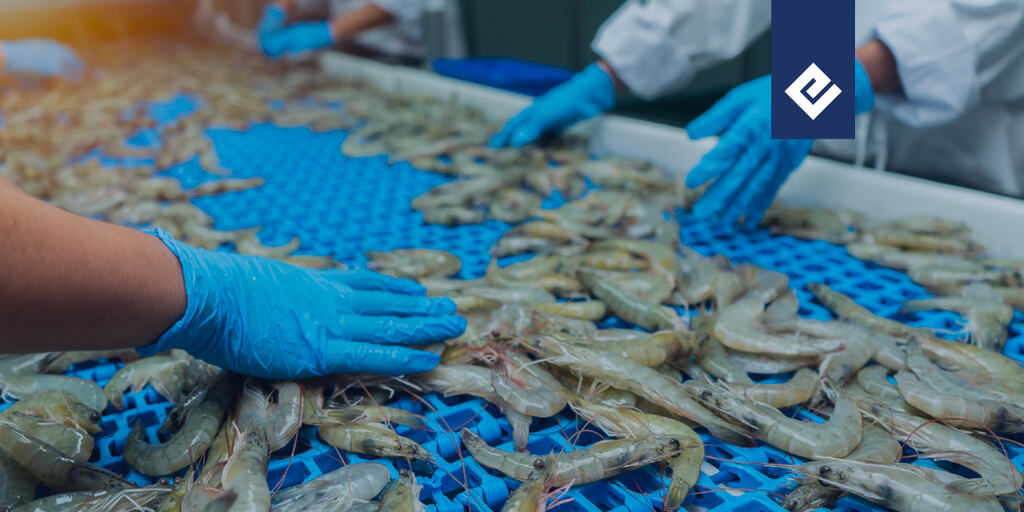
● Dairy products, meats, fruits, and frozen vegetables;
● Snacks, sweets, and ready-to-eat products.
In the case of food, quality control, product integrity, and compliance with sanitary regulations add extra layers of complexity to the logistics operation.
How does the value chain work in FMCG?
The value chain in FMCG is structured to operate with speed, scale, and a high level of integration between stages.
It begins with the supply of raw materials, goes through production and industrial processing, and continues to strategic storage, which ensures availability and inventory balance.
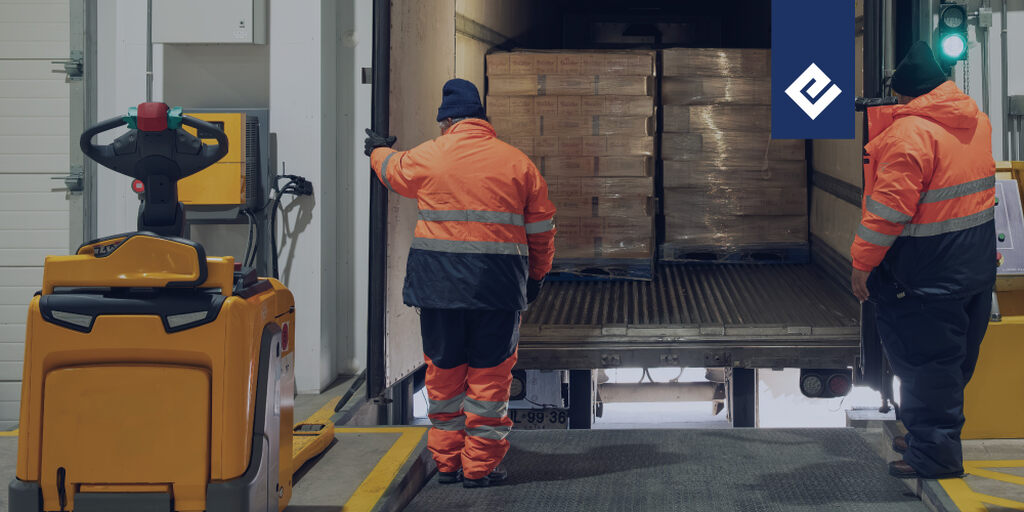
From there, products are distributed to wholesalers, retailers, or direct channels, until they reach the physical or digital point of sale, where the end consumer makes the purchase.
Importance of logistics in the FMCG industry
Logistics is one of the main factors of competitiveness in the FMCG industry, as it supports the constant replenishment of products in an environment marked by short deadlines and strict cost control.
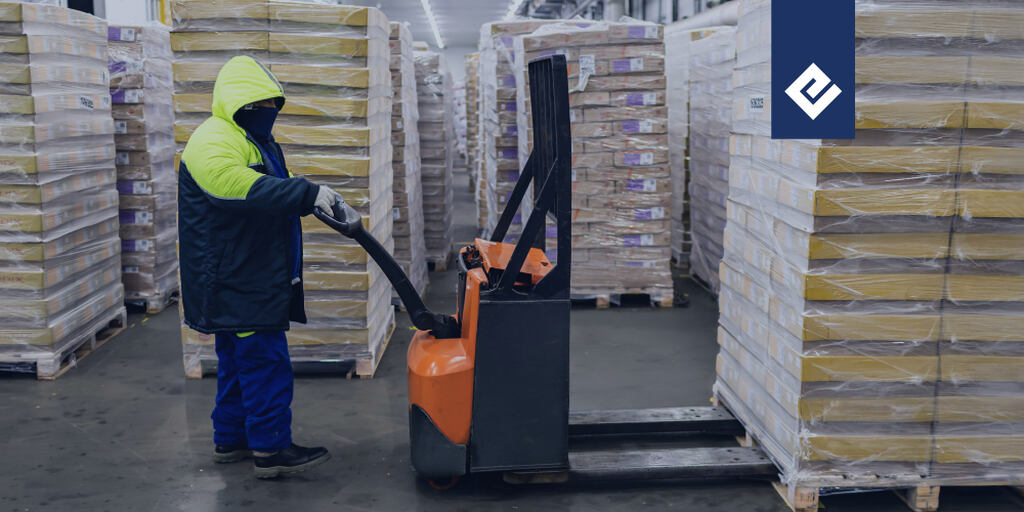
When it comes to perishable food and beverages, this challenge becomes even greater. This is because the operation must ensure proper storage conditions, maintain temperature-controlled conditions throughout the entire chain, reduce damages and waste, in addition to strictly meeting delivery deadlines.
Well-structured logistics makes it possible to maintain fast product turnover, preserve quality, and ensure that products reach the end consumer within the expected standards.
Inventory management in FMCG
It is also important to highlight that inventory management in FMCG seeks a delicate balance between availability and excess stock. High inventory levels increase costs and the risk of expiration. Low inventory levels can lead to stockouts and lost sales.
For this reason, the sector depends on:
● More accurate demand planning;
● Constant monitoring of inventory levels;
● Strategies such as FIFO and FEFO, especially for perishable products;
● Integration between production, storage, and distribution.
Technologies driving FMCG operations
Digital transformation plays a central role in the evolution of FMCG. Technologies help address the complexity and scale of operations, bringing greater predictability and control.
Among the main ones, the following stand out:
● Integrated management systems (ERP and WMS);
● Real-time monitoring of inventory and temperature-controlled conditions;
● Data analysis and demand forecasting;
● Warehouse automation;
● Traceability throughout the logistics chain.
The intelligent use of data enables faster decision-making, reduces failures, and increases operational efficiency.
Challenges of the FMCG industry today
Despite the opportunities, the FMCG sector faces structural and operational challenges, such as:
● Volatility in logistics and energy costs;
● Pressure for efficiency in an environment of reduced margins;
● Regulatory complexity, especially in the food sector;
● Impacts of climate change on supply chains;
● The need for rapid adaptation to changes in consumption.
Check out one of our success cases: Container shortage: the importance of a reliable supplier to maintain the cold chain
Emergent Cold LatAm: temperature-controlled storage solutions
We support FMCG operations with temperature-controlled storage and logistics solutions designed to meet the demands of high turnover, food quality, and safety.
With modern infrastructure, a broad presence in Latin America, and a focus on cold chain efficiency, we help companies in the sector reduce risks, optimize processes, and sustain growth in a dynamic and competitive market.