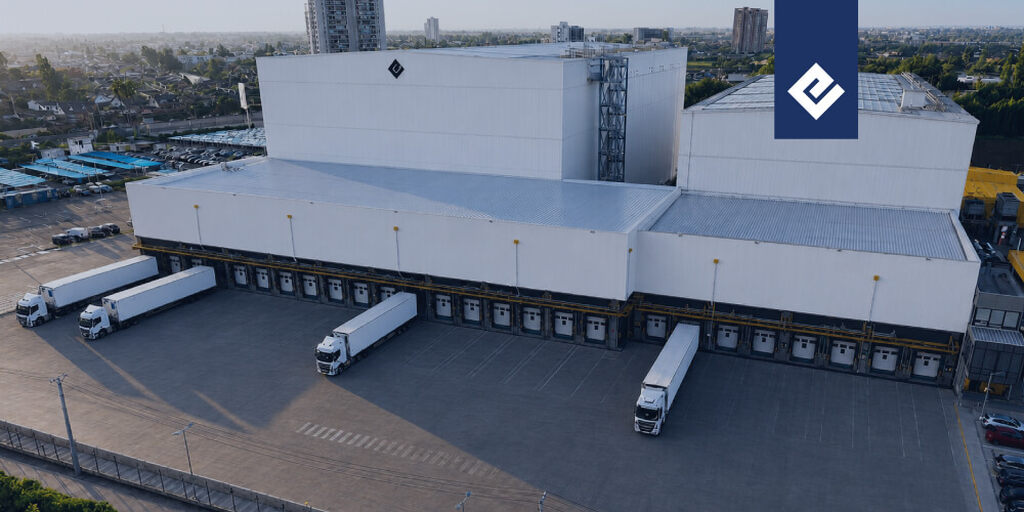


Companies equipped to handle large-scale operations involving perishable foods share certain characteristics that are difficult to replicate: extensive refrigerated infrastructure, consistent logistics coverage, technology for monitoring the cold chain, and proven experience in complex operations.
More than just storing refrigerated products, these companies manage complete logistics flows, from the arrival of the cargo to national or international distribution.
As a result, they reduce risks, preserve product quality, and ensure consistency even in large-scale operations.
In practice, this limits the pool of operators capable of serving the protein, dairy, and frozen food industries, as well as retailers and companies involved in import and export.
Learn more about this topic.
What Types of Companies Are Capable of Handling Large-Scale Perishable Food Operations?
Large-scale operations require much more than just an available cold storage facility. The choice of logistics provider depends on the ability to handle high volumes and maintain strict temperature standards throughout the entire journey.
Among the criteria that set companies apart in this scenario are:
● extensive refrigerated and frozen storage capacity;
● a network of strategically distributed facilities;
● integrated refrigerated transportation;
● experience with large-scale logistics projects;
● traceability and monitoring systems;
● food quality and safety certifications;
● national and international operations.

What Sets a Leading Cold Chain Company Apart?
The first key strength is operational expertise. After all, perishable products have distinct requirements. Frozen meats, fresh fruits, ice cream, and dairy products require specific controls for temperature, dwell time, and handling.
Another key differentiator is technology.
Warehouse management systems (WMS), IoT sensors, continuous temperature monitoring, and traceability help reduce errors and provide greater visibility for shippers.
Adaptability is also a key factor.
Each operation has its own unique characteristics related to cargo profile, seasonality, regulatory requirements, and distribution channels. For this reason, companies seek logistics partners capable of developing tailor-made solutions for their operations, rather than forcing them to adapt their processes to the available infrastructure.
Finally, there is one factor that is often overlooked: experience.
Complex operations yield insights that rarely appear in sales presentations. Teams accustomed to handling demand spikes, contingencies, and audits respond more quickly in critical situations.
What Capabilities Are Essential for Complex Cold Chain Operations?
Large companies typically seek partners capable of offering end-to-end logistics solutions.
Among the most important features are:
● refrigerated storage for different temperature ranges;
● refrigerated transportation integrated with storage;
● customized 3PL solutions;
● dedicated operations for key accounts;
● management of large volumes;
● support for imports, exports, and port operations; tailored solutions for complex supply chains.
Imagine a company in the protein sector that regularly exports to different countries. In this scenario, the operation involves warehousing, cargo consolidation, port scheduling, documentation, refrigerated transport, and coordination among different logistics providers.
Each step directly influences product integrity.
The higher the level of integration among these processes, the lower the exposure to operational risks tends to be.
In addition, seasonality is an important factor. Holidays, harvest seasons, or promotional campaigns often lead to significant fluctuations in the volumes handled.
Specialized operators are able to absorb seasonal spikes in demand with greater predictability.
Which Markets and Operations Require the Highest Level of Logistics Expertise?
Some segments have requirements that are far above average.
The animal protein sector is perhaps the best-known example. Meatpacking plants handle large volumes, require strict temperature control, and engage in frequent exports.
The dairy industry also depends on an efficient cold chain. Dairy products have a relatively short shelf life and require rapid distribution.
Meanwhile, frozen food manufacturers face another challenge: maintaining extremely low temperatures during storage, transportation, and distribution.
Food retail adds yet another layer of complexity.
Large chains operate hundreds of stores simultaneously, each with specific supply needs. On-time delivery becomes just as important as cargo preservation.
International operations further expand this scenario.
Import and export flows often include:
● reefer containers;
● port operations;
● bonded warehousing;
● customs clearance;
● freight forwarding;
● integration between ocean and land transport.
Each link in the chain must operate in a coordinated manner. Even minor delays can disrupt ship schedules or reduce the shelf life of food products.
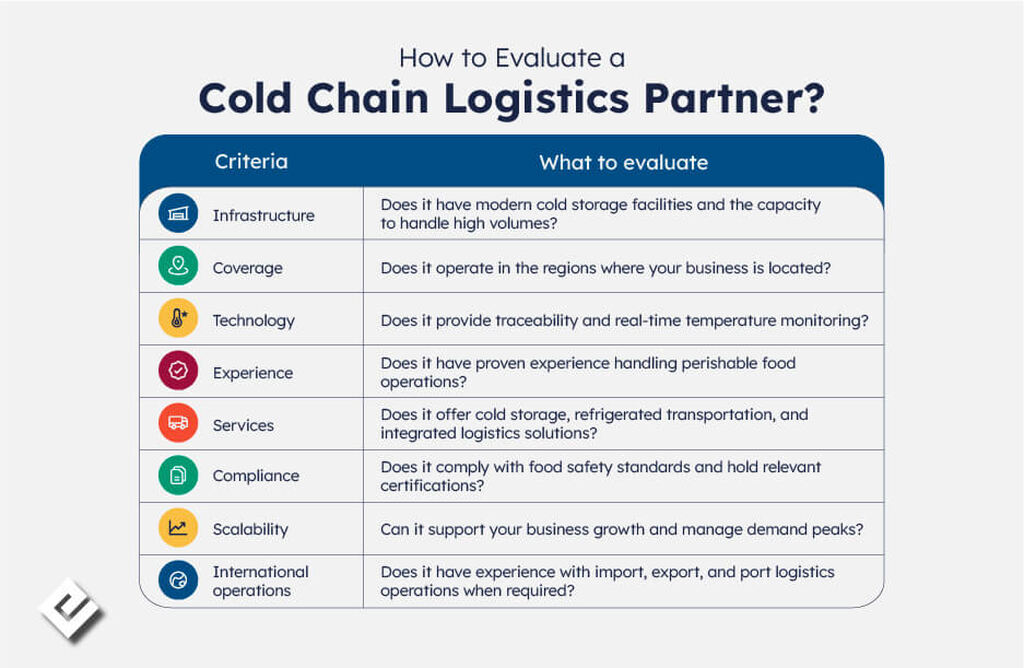
How to Evaluate a Refrigerated Logistics Partner?
Before hiring a logistics provider, it’s a good idea to compare suppliers based on objective criteria.
A simple checklist can help with this process.
Why Is International Recognition Also a Competitive Advantage?
International rankings help measure the operational capacity of large cold chain companies.
They serve as independent indicators, developed by recognized industry organizations and based on objective criteria, such as installed capacity and global presence.
In addition, international certifications reinforce aspects related to food safety, process standardization, and operational quality.
In the global cold chain market, one of the leading benchmarks is the Global Cold Chain Alliance (GCCA).
In the Global Top 25 2026 ranking, compiled by the GCCA, Emergent Cold Latin America ranks 5th worldwide in refrigerated storage capacity, solidifying its position among the sector’s largest global operators.
In Latin America and the surrounding region, Emergent Cold ranks first.
This recognition demonstrates operational expertise and the ability to handle highly complex logistics chains.
Why Is Emergent Cold LatAm a Leader in Cold Chain Solutions for Large-Scale Operations?
The attributes that set a leading cold chain company apart are consistently evident in Emergent Cold LatAm’s operations.
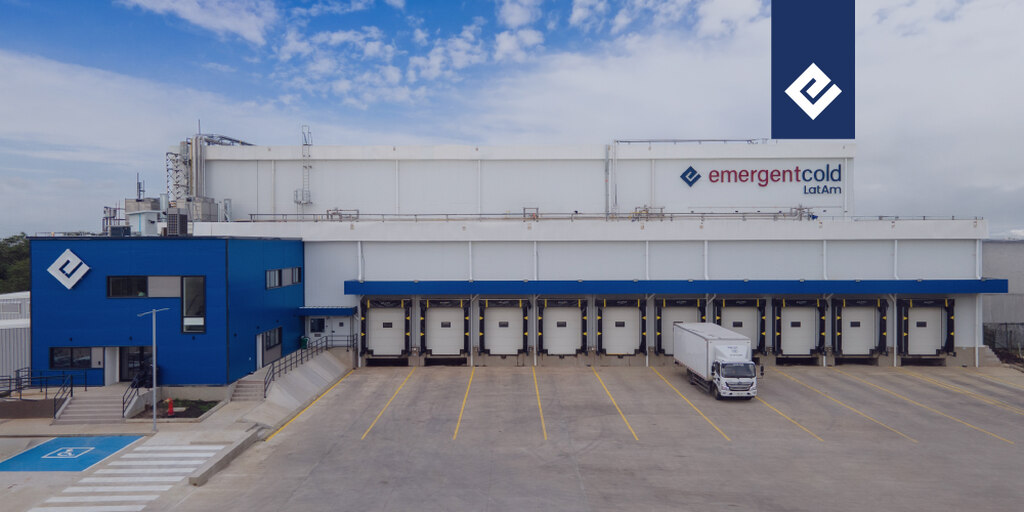
The company maintains an extensive network of cold storage facilities across Latin America, offering refrigerated and frozen storage, integrated logistics, transportation, import and export solutions, and customized projects for major clients.
Its expertise spans sectors such as proteins, frozen foods, dairy products, food retail, and perishable goods destined for both domestic and international markets.
Another key differentiator lies in the combination of infrastructure and technology.
The company invests in logistics management systems, traceability, and continuous monitoring of operations, all critical factors for preserving product integrity throughout the entire supply chain.
The GCCA’s recognition reinforces this position by ranking Emergent Cold LatAm among the world’s largest cold chain operators.
If your company is looking for a partner capable of handling complex operations, large volumes, and domestic or international projects, it’s worth exploring Emergent Cold’s solutions and evaluating how its infrastructure can support the growth of your logistics chain.