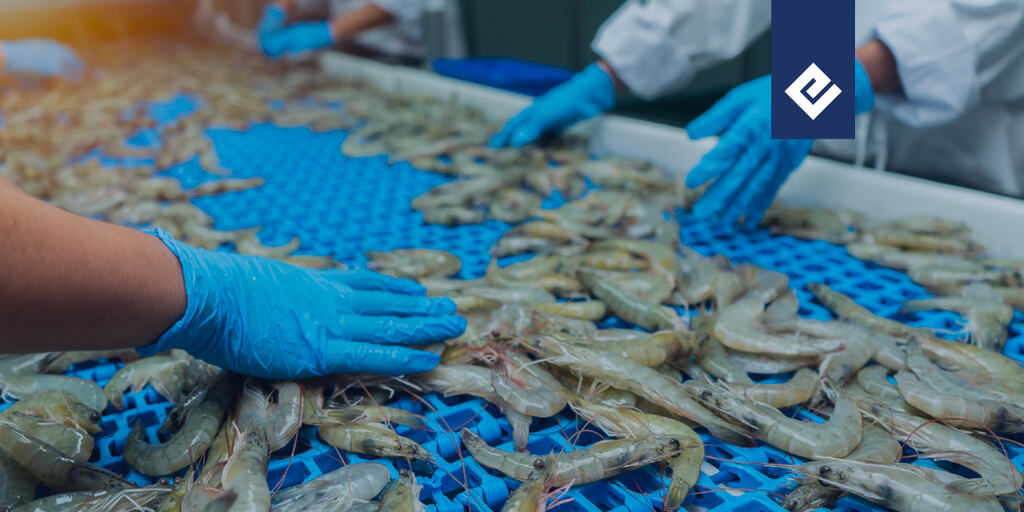

Integrated logistics is one of the main pillars for companies seeking operational efficiency and competitiveness in the perishable food market.
In a scenario where time, temperature control, and traceability are critical factors, integrating processes such as storage, transportation, and distribution is a strategic necessity.
This model offers many benefits, such as greater visibility into operations. In this article, you’ll learn how perishable goods logistics works in practice, what its benefits are, and how to implement it.

What is integrated logistics and how does it work?
Integrated logistics is a management model that connects all stages of the supply chain through coordinated processes and unified technological systems. Instead of operating in isolation, areas such as inventory, transportation, and distribution work in harmony, with a continuous exchange of information.
In practice, this means centralizing data, automating workflows, and ensuring that all stakeholders (suppliers, logistics operators, and customers) have access to the same information in real time.
Learn more about the integrated stages:
Raw Material Flow
Integrated logistics coordinates the flow of raw materials from receipt through to production supply. By integrating information on inventory, movement, and demand, the operation gains predictability and avoids disruptions caused by shortages or surpluses of inputs.
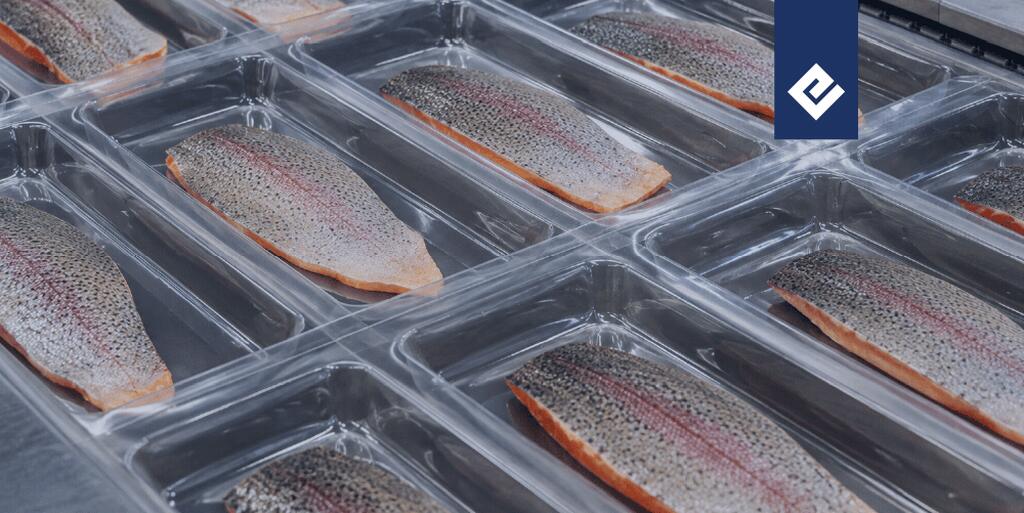
For perishable foods, this control is essential. Process integration allows for tracking the origin of raw materials, monitoring their shelf life, and ensuring they are stored under the correct conditions, thereby preserving product quality and safety.
Material Flow
The flow of materials within the logistics chain must be continuous and efficient. Integrated logistics focuses precisely on optimizing this flow, which eliminates redundancies and reduces the time between stages.
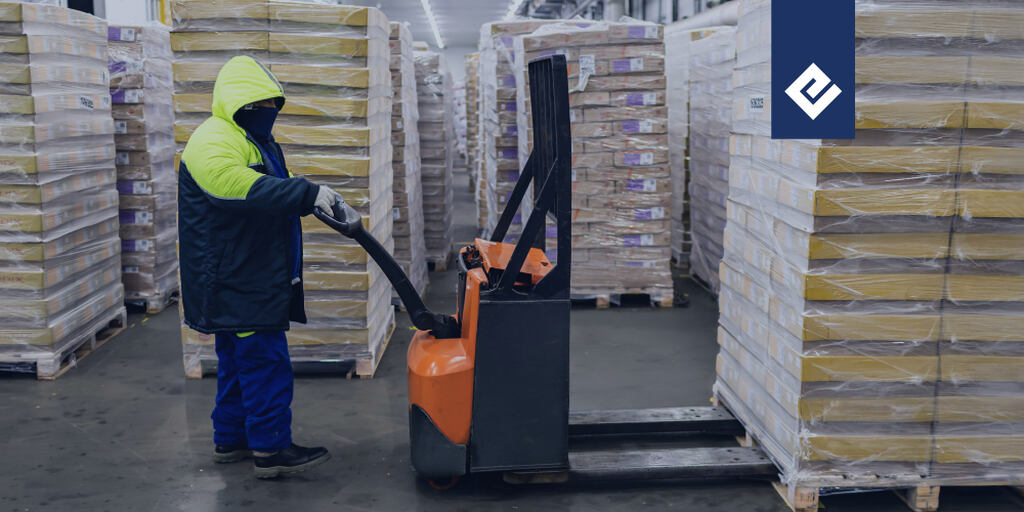
With well-aligned processes, it is possible to improve inventory turnover, avoid excess inventory, and reduce losses. In addition, integration facilitates replenishment planning based on real data, which increases inventory efficiency and lowers operating costs.
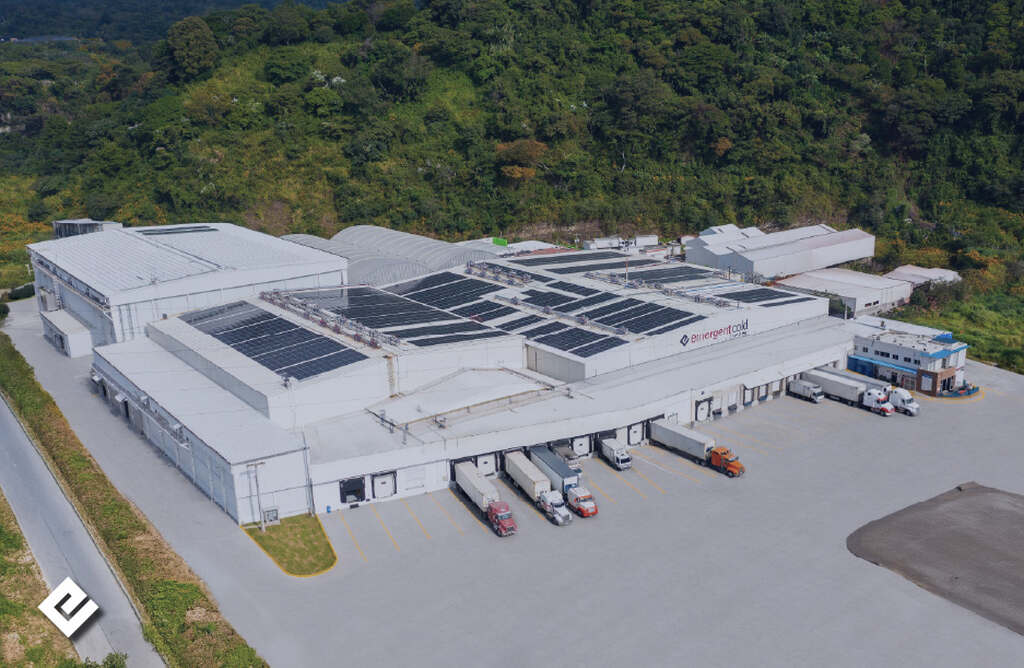
Transportation and Distribution
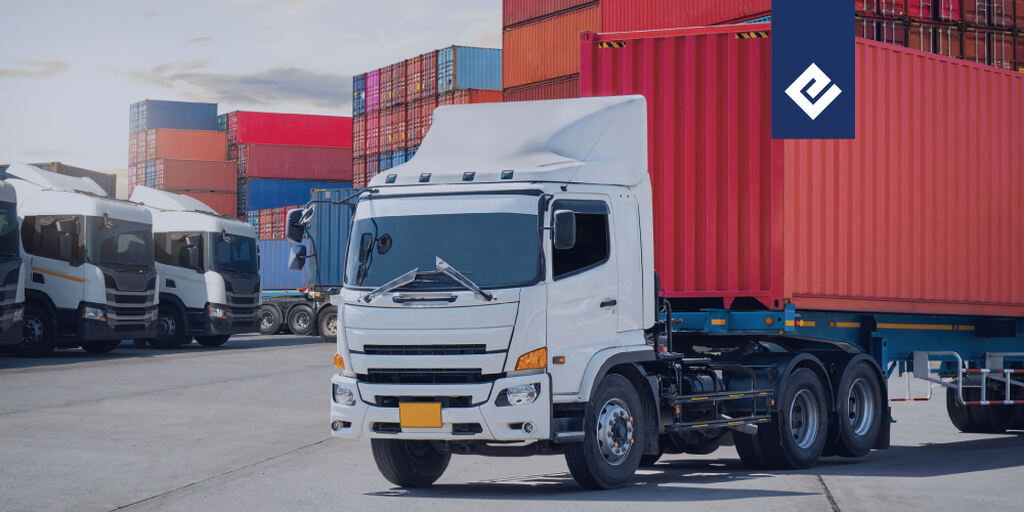
In transportation and distribution, integrated logistics ensures greater precision and control. Routes can be planned intelligently, taking into account variables such as time, cost, and delivery conditions.
For perishable foods, this level of control is essential. Integration allows for real-time monitoring of temperature, location, and deadlines, ensuring that products reach their final destination in compliance with required standards. This synchronization reduces losses, improves service levels, and strengthens customer trust.
What are the key characteristics of this logistics model?
Integrated logistics stands out for several essential characteristics that underpin its efficiency:
● Real-time communication: integration between systems and teams.
● Intensive use of technology: WMS, TMS, and tracking tools.
● Centralized management: unified control of operations.
● End-to-end visibility: monitoring of the entire supply chain.
● Data-driven decision-making: greater precision and less improvisation.
These elements enable the entire logistics operation to function as a single system, even when involving multiple processes and partners. As Pedro Breton, General Manager of Emergent Cold LatAm in the Dominican Republic, points out, operating with reliable data and maintaining consistency across the entire network is what allows companies to anticipate deviations before they occur.
What are the benefits of logistics integration?
Having integrated processes within the supply chain provides several benefits, primarily:
● Reduced operating costs: less waste and greater efficiency;
● Increased productivity: faster and more organized processes;
● Improved service levels: more reliable and timely deliveries;
● Greater control and traceability: security throughout the entire chain;
● Resource optimization: better use of infrastructure and teams.
It’s also worth noting that companies that adopt logistics integration are able to respond more quickly to market demands.
What is an Integrated Logistics Unit (ILU)?
An Integrated Logistics Unit (ILU) is an operational structure that consolidates various logistics activities into a single facility. This includes warehousing, processing, order picking, and distribution.
This model reduces travel, improves communication between teams, and increases operational efficiency. In practice, the ILU functions as a strategic hub that facilitates centralized management and maximizes the results of logistics integration.
What is the relationship between the cold chain and the integration of logistics processes?
The cold chain depends directly on the efficiency of integrated logistics; after all, any failure in communication or control can compromise product quality.
Integration ensures that all stages (from storage to transportation) maintain ideal temperature conditions. With continuous monitoring systems, it is possible to act quickly in the event of deviations, preventing losses and ensuring compliance with health regulations.
In the perishable food sector, this synergy between the cold chain and integrated logistics is essential for preserving product quality, safety, and value.
Integrated Logistics Management: How Can Companies Implement It?
It is necessary to adopt a structured approach based on technology and well-defined processes. Some key steps include:
● Investing in integrated management systems (WMS, TMS);
● Standardizing logistics processes;
● Training teams to work collaboratively;
● Centralizing data and information;
● Monitoring performance indicators.
In short, logistics efficiency depends on strategic alignment and the smart use of technology to connect all operations.
Discover our solutions to optimize your logistics operations
We offer comprehensive solutions focused on integrated logistics in the perishable food sector. With modern infrastructure and advanced technology, we ensure efficiency at every stage of the supply chain.
Our main services:
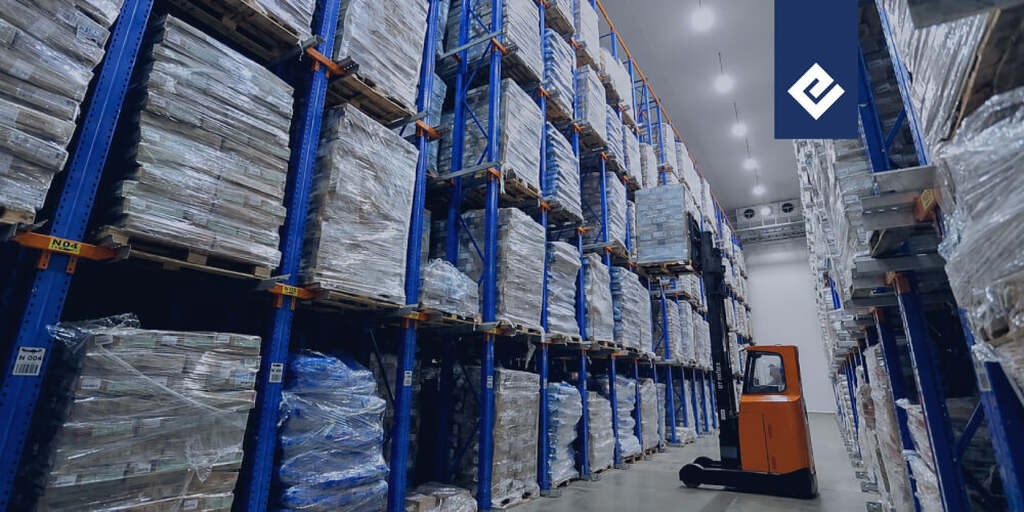
● Temperature-controlled warehousing;
● Refrigerated transportation and distribution;
● Integrated inventory management with traceability;
● Picking, packing, and cross-docking;
● Cargo consolidation and order fulfillment;
● Value-added services, such as labeling, repackaging, and kit assembly;
● Real-time monitoring of operations;
Among others.
These solutions enable greater control, cost reduction, and increased operational efficiency, positioning Emergent Cold LatAm as a strategic partner for companies seeking excellence throughout the perishable goods logistics chain.
Conclusion
Integrated logistics is essential for companies that want to optimize their supply chain and stand out in the perishable food market. By integrating processes, centralizing information, and utilizing advanced technology, it is possible to reduce costs, increase efficiency, and ensure greater control over operations.
In the cold chain, this integration is critical to maintaining product quality at every stage of the operation. With specialized infrastructure, technology, and solutions that connect storage, transportation, and distribution, Emergent Cold LatAm supports companies in building more efficient operations that are prepared to meet market demands.