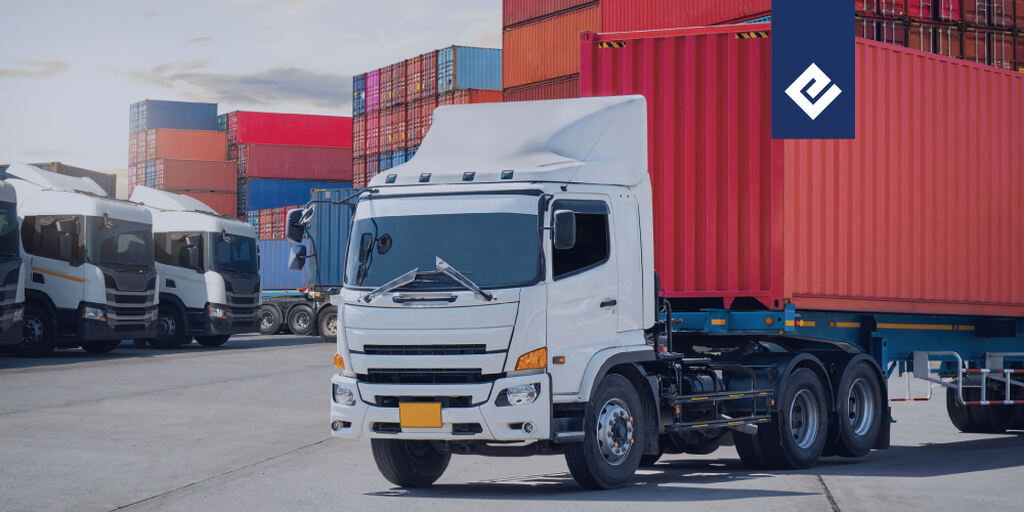


The last mile is the most critical stage of logistics because it concentrates cost, risk and perception of value. It is here that the product leaves the distribution center and gets to the final destination, under the pressure of time, adverse urban conditions and the high expectations of consumers.
If there is a failure at this stage, every effort before this is lost. When it functions well, the operation gains predictability and reliability.
That is why the last mile, its phases, challenges and trends is no longer secondary and becomes a strategic decision. Come and find out more.
What is the last mile?
The last mile refers to the last stretch of the logistics chain, where the goods are delivered to the end customer, whether they are a consumer, a point of sale or an industrial unit.
This is the most complex stage of the flow as it takes place in fragmented environments, with variables that are difficult to control, such as traffic, restricted delivery windows and specific handling requirements.
Furthermore, the last mile usually represents the highest portion of the total cost of logistics. Small delays, divergence of routes or failures of communication have a direct impact on the perceived quality.
In the case of foods and products sensitive to temperature, the risk is even greater, as any rupture compromises the integrity of the item delivered.
What are the three phases of logistics?
Logistics can be organized in three main phases, each with their own objectives and challenges. The comparison between them helps understand why the last mile requires special attention.
Logistics of supply (inbound)
This phase covers the transport and warehousing of raw materials and inputs to the point of production or processing.
The focus is on predictability, on cost per volume and on the reliability of suppliers. Normally it takes place on longer routes with fewer stopping points.
Internal logistics (intralogistics)
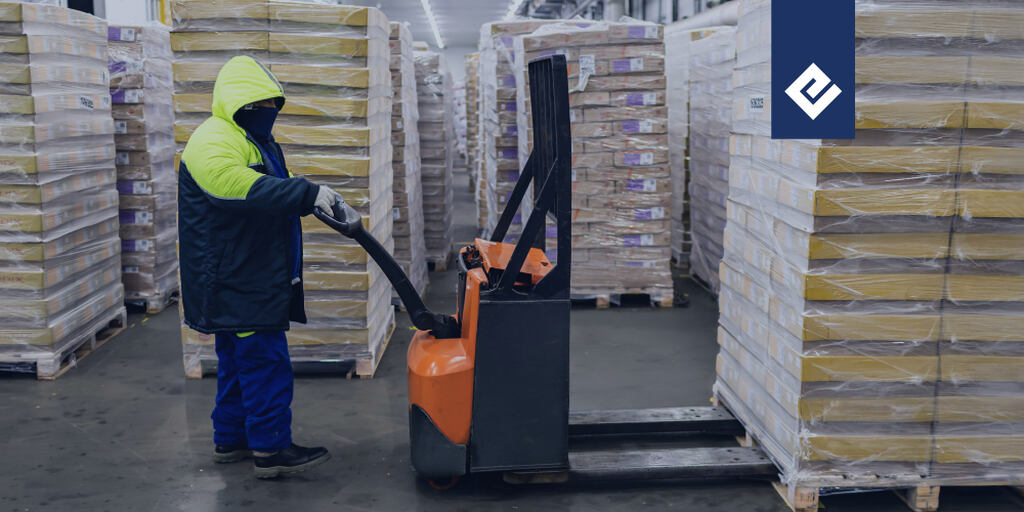
This involves movements within factories, distribution centers and warehouses. The principal objective is operational efficiency.
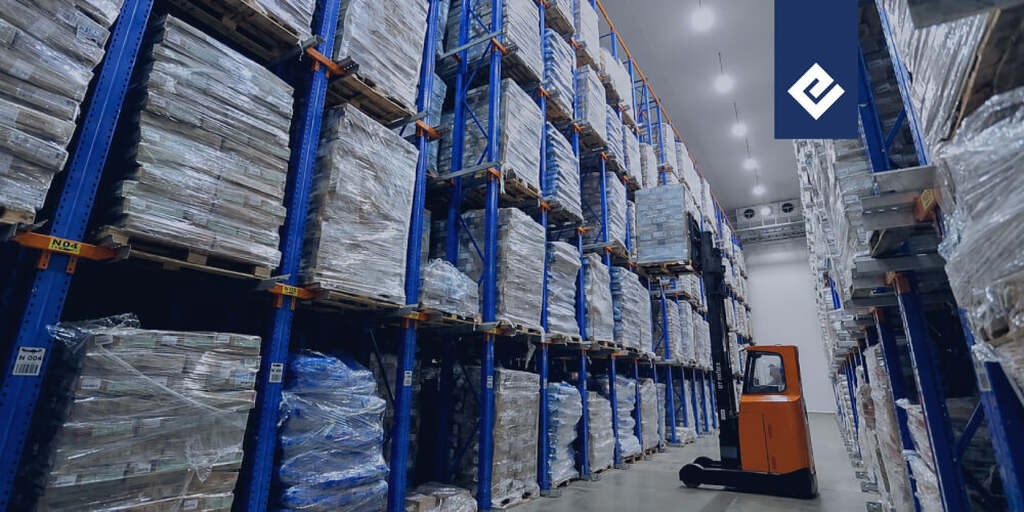
Well defined processes, operational design of the appropriate warehouse or plant and rigorous stock control make the difference. Although it is a complex phase, it takes place in a controlled environment.
Logistics of distribution (outbound)
It is in this phase that the last mile is found. The product leaves the distribution center for the final destination. This is the most sensitive phase of the operation, directly linked to the level of service and to the perception of the client.
Unlike the previous stages, the distribution deals with multiple destinations, lower volume per delivery and greater exposure to unforeseen circumstances. Thus, errors involve a greater cost and arise more quickly.
The role of the last mile in logistics operations
The last mile has a direct influence on costs, efficiency and the image of the logistics operation.
A well structured strategy reduces losses and improves fleet use. In this sense, planned routes, smart consolidation of loads and visibility in real time make a concrete difference to the financial results.
Besides cost, there is the experience factor. Delivery is the moment of last contact with the client. Thus, punctuality, integrity of the product and clear communication are crucial and shape the perception of quality. In competitive markets, this perception defines further orders and fidelity.
Another relevant point involves sustainability. Badly designed last mile operations raise emissions, fuel consumption and urban traffic congestion, whereas more efficient models balance economic performance and environmental responsibility.
How to optimize the last mile?
The optimization of the last mile starts with the planning: mapping routes from real traffic data, the history of deliveries and urban restrictions reduces inefficiency. Advanced routing systems help, but the strategy needs to consider the local reality.
The integration between technology and operation also counts, as monitoring in real time and clear performance indicators increase control. When there are unforeseen circumstances, the response has to be faster and coordinated.
Another key factor involves the choice of operational model. The decision has to consider volume, the profile of the product and the level of service expected.
Logistical challenges in the last mile of the supply chain
There are many challenges of the last mile, but they increase in the complexity in temperature-controlled transport of food. In this scenario, time is no longer the only enemy and thermal stability becomes determinant.
Maintaining the cold chain demands a suitable infrastructure, refrigerated vehicles, constant monitoring and rigorous processes. Any failure, even briefly, compromises the safety of the foods and may generate significant financial loss.
Besides this, there are regulatory and sanitary challenges, with warehousing, transport and trackability requirements putting pressure on the operation. The last mile, which already operates at the limit, has to comply with high standards with no margin for improvisation.
The urban environment also aggravates the conjuncture, with intense traffic, areas of restricted circulation and short delivery windows increasing operational risk.
Last mile: trends and technologies
The trends of the last mile point towards the greater use of data, automation and integration. Logistics management platforms with predictive analysis help anticipate bottlenecks and adjust routes based on real consumer standards.
Temperature sensors and tracking devices gain space in refrigerated transport, offering continuous visibility and reliable records, which are fundamental for auditing and quality control.
Another trend involves urban hubs and distribution centers closer to the end consumers. This strategy reduces distances, improves the response time and reduces exposure to risks in the final journey.
For the coming years, the trend is to deepen collaboration between logistics operators and the advance of sustainable solutions. The last mile, which already operates with a high level of operational intelligence, is becoming even more strategically relevant in the supply chain.
The importance of strategic partners to the last mile stage
Given so many challenges, strategic partners are decisive, especially in operations that depend on the cold chain. Specialized companies offer infrastructure and technical knowledge to reduce risk and increase reliability.
The Emergent Cold LatAm solutions illustrate this role. With out work focused on warehousing and refrigerated logistics, we overcome bottlenecks in the last mile by guaranteeing thermal continuity, trackability and high operational standards throughout Latin America.
Our approach preserves the quality of the products and ensures regulatory compliance, even in complex urban scenarios.
By opting for partners with proven expertise such as Emergent Cold LatAm, the last mile is no longer a weak point and comes to be integrated in a robust logistics strategy, aligned with the current market requirements.