

Do you have any idea how much a good logistics center can improve your business?
In the perishable food supply chain, efficiency and control are fundamental to operational excellence, especially when products cross borders.
That is why the logistics center has become a key component for importers and exporters: it ensures traceability at every stage of the operation, maintains the cold chain, and ensures speed at every step.
With modern facilities, automation, and strategic location, this type of operation not only reduces losses but also enhances competitiveness in the global market.
In this content, you’ll understand how specialized logistics centers make a difference and why partnering with companies like Emergent Cold LatAm is a strategic advantage.
What is a logistics center, and why is it strategic?
A logistics center is an integrated facility that consolidates and coordinates various stages of the supply chain, going far beyond simple product storage. In practice, it functions as an operational hub that connects receiving, storage, order picking, distribution, and transportation, with a high level of control and efficiency.
What is the difference between a logistics center and a warehouse?
Unlike a traditional warehouse, which has a more static function, a logistics center operates dynamically to organize flows, reduce lead times, and ensure real-time visibility of operations.
Types of logistics centers: learn about the main models
There are different types of logistics centers, each with specific functions within the supply chain. Choosing the ideal model depends on the operation’s needs, especially when dealing with sensitive products such as refrigerated and frozen foods.
Check out the main ones:
● Distribution center (DC): this is the most common model. It serves as a point for receiving, storing, and redistributing goods. In the cold chain, it requires strict temperature control and high inventory turnover efficiency to prevent losses.
● Refrigerated or frozen logistics center: designed specifically for perishable products, it features infrastructure for multiple temperature ranges and continuous monitoring. It is essential for ensuring quality, food safety, and regulatory compliance.
● Cargo consolidation center: responsible for grouping goods from different origins to optimize transportation. It is relevant in export operations but does not necessarily involve temperature control in all cases.
● Trans-shipment center: functions as an intermediate point for transferring cargo between modes of transport or vehicles. It focuses on streamlining the logistics flow and generally does not involve extended storage.
● Urban logistics hub: located in major urban centers, it is geared toward rapid distribution, especially for the last mile. Despite its speed, it does not always have adequate infrastructure for refrigerated products.
In addition to the different types of facilities, there are also operational models applied within logistics centers:
● Cross-docking: an operation in which products remain in the facility for as little time as possible. Shipments are received, sorted, and quickly redirected for shipment, reducing storage time and speeding up deliveries.
● Logistics fulfillment: a model that integrates warehousing, inventory management, order processing, and distribution. It is widely used by companies that outsource part of their logistics operations to gain operational efficiency and scalability.
Logistics Center: A Strategic Link in the Supply Chain
Once you understand what a logistics center is and the different models that exist, its role within operations becomes clearer. In practice, it is the point where the entire logistics strategy comes to life, connecting stages, reducing bottlenecks, and ensuring smooth processes.
More than just centralizing activities, the logistics center organizes and synchronizes the flow of goods, transforming complex operations into more agile, controlled, and predictable routines.
When it comes to refrigerated and frozen foods, this role becomes even more critical. Every stage, from receipt to delivery, must follow strict standards to preserve product quality.
This involves not only maintaining the cold chain continuously but also ensuring full traceability, with accurate records that allow each item to be tracked from origin to final destination.
In this context, the logistics center ceases to be merely a support structure and becomes a strategic asset, capable of reducing losses, increasing operational efficiency, and sustaining higher service levels.
Key Functions of a Logistics Center
Below, we detail the three essential functions that underpin the operation of a modern, competitive logistics center in the food industry.
1. Receiving, Storage, and Preparation—Where It All Begins
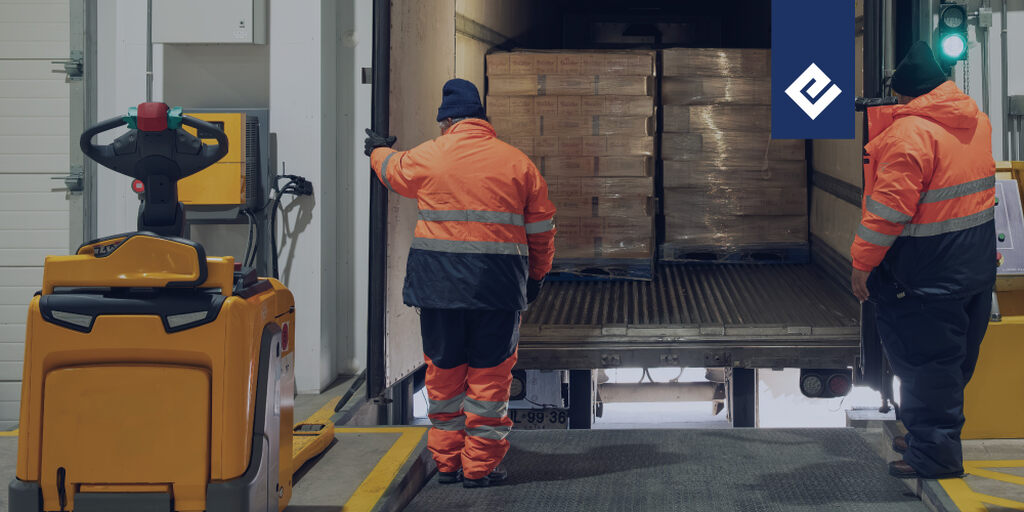
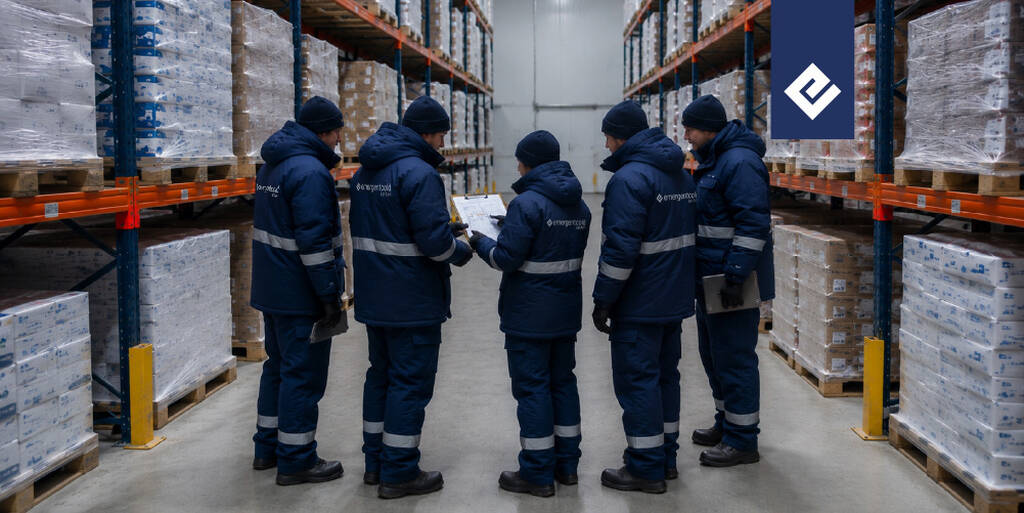
During receiving, the shipment is inspected to verify its integrity and compliance, with strict temperature monitoring.
Any deviation can compromise product quality, so checking and recording are essential for traceability and cold chain control.
Storage, on the other hand, must be done strategically, with attention to the characteristics of each product. For example, meat, dairy products, fruits, and vegetables have different temperature requirements and shelf lives.
Organizing products according to their characteristics prevents losses and streamlines order preparation. Items are sorted according to customer requirements and delivery routes, ensuring correctly and efficient shipments
Technology and automation help reduce errors and speed up the process, ensuring quality is not compromised and that the time between order and delivery is as short as possible.
2. Distribution and transport control: efficiency on demand
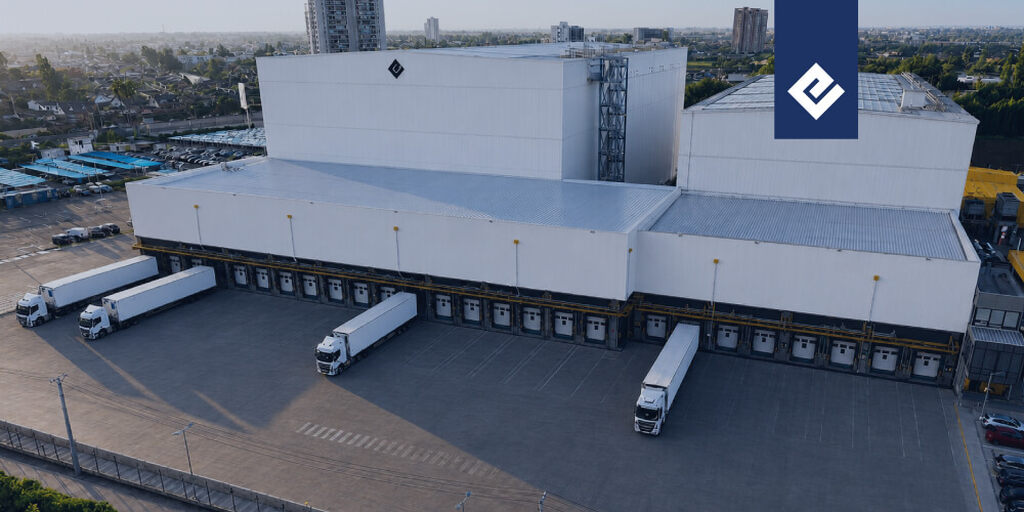
After preparation, transportation is a critical step; it is not enough to ship quickly—it is necessary to ensure that products arrive on time, in perfect condition, and with full transparency for the customer.
Modern logistics centers use integrated systems that optimize routes, monitor vehicles in real time, and track temperature throughout the entire journey. This allows for immediate adjustments, which minimize risks and ensure product quality.
In addition, synchronization between loading and unloading reduces wait times, prevents vehicle downtime, and avoids losses. The result is a more efficient, predictable operation with a higher level of service.
3. Inventory Management: Visibility and Accuracy as a Priority
Knowing what is in stock, where it is, and the expiration date of each product is extremely important to avoid waste and serve customers well. This is where efficient inventory management comes into play.
Management systems (WMS – Warehouse Management System, and TMS – Transportation Management System) enable real-time tracking, organization based on criteria such as turnover and temperature, and facilitate purchasing and replenishment planning.
This makes operations run more smoothly, even in the face of fluctuating demand and tight deadlines.

Technology Trends for Logistics Centers: Automation, AI, and Traceability
Technology is playing a leading role in the transformation of food logistics. Automation, Artificial Intelligence, and advanced traceability solutions make operations safer, faster, and more accurate.
1. Automated storage and retrieval systems (AS/RS) use robots and controlled equipment to organize and move products with high precision, optimizing space and reducing errors.
2. Mobile racking systems adjust the layout according to demand, which increases capacity, especially in refrigerated areas.
3. Tracking technologies such as barcode scanners and RFID ensure full visibility of products, monitoring temperature, expiration dates, and location in real time.
4. Automated guided vehicles (AGVs) enhance safety and free up operators for strategic tasks.
5. Artificial Intelligence uses real-time data to forecast demand, optimize routes, and correct issues before they impact operations, reducing waste and ensuring reliable deliveries.
Investing in technology means investing in innovation and sustainability, preparing logistics for current and future challenges.
Common challenges faced by those operating without an efficient logistics center
Without an adequate logistics structure, operational challenges pile up and compromise the efficiency of the entire supply chain. Here are the main risks faced by those who still operate without a specialized center:
- lack of strict temperature control, which compromises product quality;
- errors in inventory management, with inaccurate stock counts and uncontrolled expiration dates, leading to waste;
- manual and non-integrated processes that increase costs and operational time;
- poorly planned transportation, causing delays and higher fuel and maintenance costs;
- lack of transparency in tracking, hindering rapid decision-making;
- absence of automation and real-time monitoring, which increases the risk of failures and rework;
- difficulty in adapting quickly to market demands;
- greater risk of non-compliance with health regulations, affecting reputation and food safety.
How We Turn Logistics Centers into a Competitive Advantage
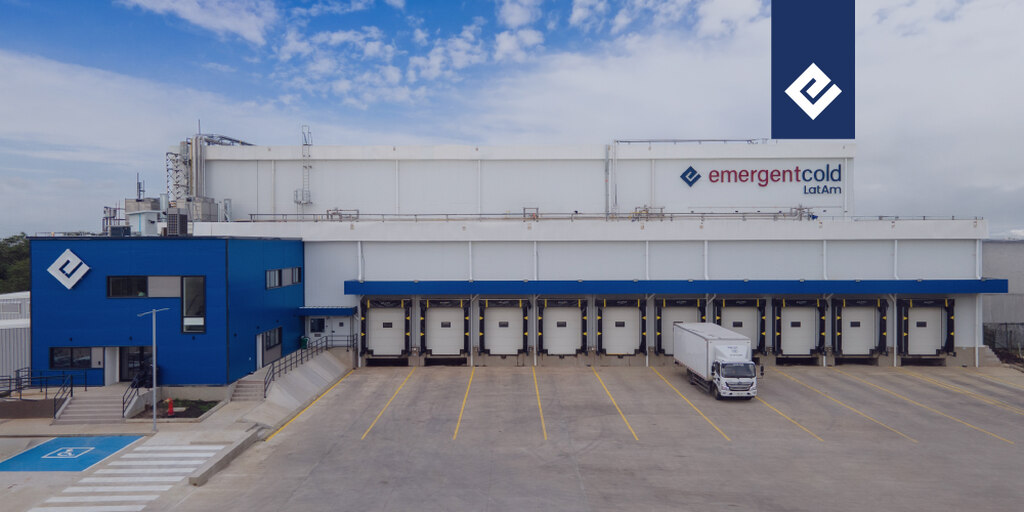
Emergent Cold LatAm is the largest provider of temperature-controlled food logistics solutions in Latin America.
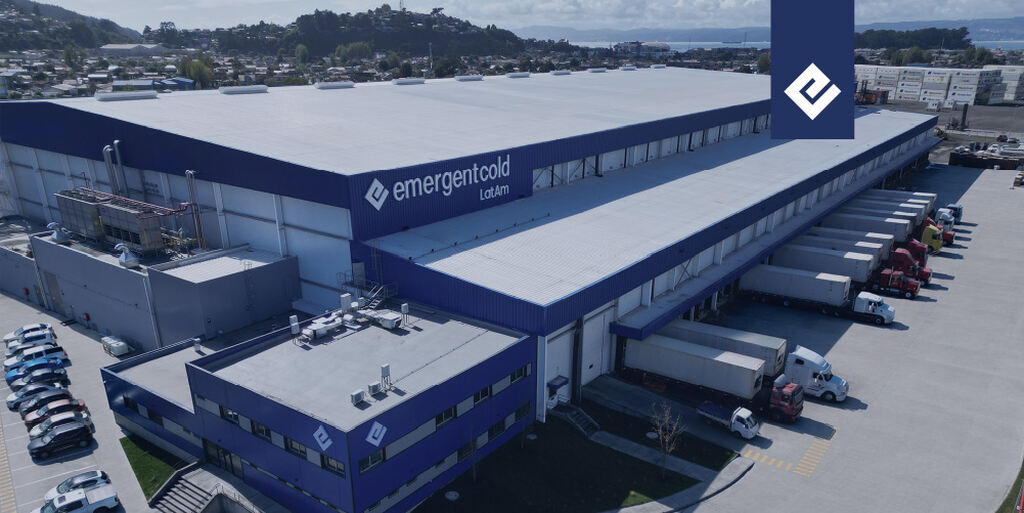
With 110 facilities strategically located in 11 countries—near urban centers and ports—we offer a robust, integrated infrastructure to ensure quality, efficiency, and safety throughout the logistics chain.
Among our key differentiators are:
- Comprehensive storage network: state-of-the-art infrastructure for frozen, refrigerated, and dry goods, with different temperature settings tailored to customer needs;
- Strategic port locations: presence in port terminals with easy access to international trade, connecting companies to the global market through our partnership with Lineage;
- Smart inventory management: advanced systems (WMS/TMS) for full traceability, optimal product turnover, and loss reduction;
- Value-added services: picking, labeling, packaging, repackaging, as well as container yards, cargo loading facilities, and customs support, facilitating product customization and export;
- Fresh Produce Handling: receiving, sorting, sanitizing, peeling, and cutting fruits and vegetables according to customer specifications, optimizing time and reducing costs for distributors and retailers;
- IQF Freezing Technology: individual quick freezing that preserves food texture, flavor, and quality without forming large ice crystals;
- Domestic and international transportation: a modern fleet with real-time temperature control and coverage for local deliveries and exports throughout Latin America;
- Sustainability in operations: new warehouses designed according to EDGE standards to reduce water and energy consumption, with sustainable practices constantly expanding to other facilities.
With this comprehensive ecosystem, we transform the logistics centers of various companies into strategic assets.
💡 See it in action:
Discover one of our success stories that demonstrates how real-time inventory visibility eliminated errors and brought efficiency to the entire operation.