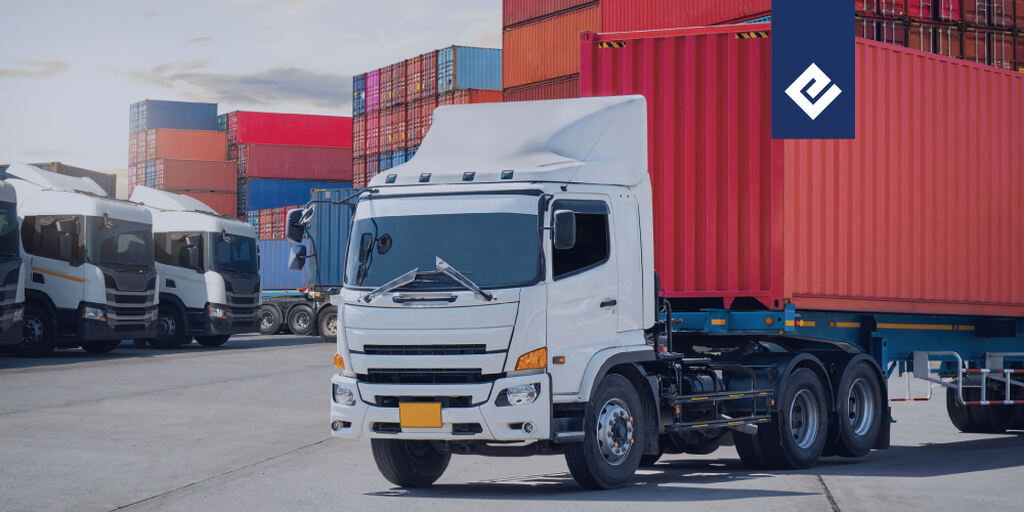


A logistics hub is one of the most strategic elements of the supply chain. It functions as a center of connection and redistribution of loads, optimizing routes, periods and operational costs.
With the centralization of operations into a single point, it is possible to consolidate loads, speed up deliveries and increase efficiency throughout the whole logistics network.
In this article, you will be able to understand in detail how a logistics hub works, its principal types, the benefits offered and what to consider when choosing the ideal one for your business. Happy reading!
What is a logistics hub?
A logistics hub is a strategic point within the supply chain. It is the place where the goods are received, organized, consolidated and redistributed to their final destinations.
It acts as a central connection node between suppliers, distribution centers, transporters and clients, optimizing the movement of products in different modes of transport.
In practice, the hub functions to integrate the logistics platform, enabling loads from various places to be grouped together or broken down to facilitate their efficient dispatch.
Read also: Integrated logistics: what it is, advantages and how to apply

How does a logistics hub work?
The functioning of a logistics hub is based on synchronization of logistics flows and management of information.
The structure receives products from different suppliers, temporarily in warehouses, carries out the triage on the basis of operational criteria (type of product, destination, priority, etc.) and redirects the loads to their destinations in a planned and trackable manner.
This process normally takes place in stages:
- Receiving of loads: the goods arrive at the hub by means of primary transports (coming from suppliers, factories or collection centers);
- Checking and triage: each item is inspected, classified and prepared for the next stage;
- Consolidation and routing: the products are grouped by destination or type of delivery, optimizing routes and the use of loads;
- Dispatching and secondary transport: the loads are dispatched for distribution centers, stores or end clients.
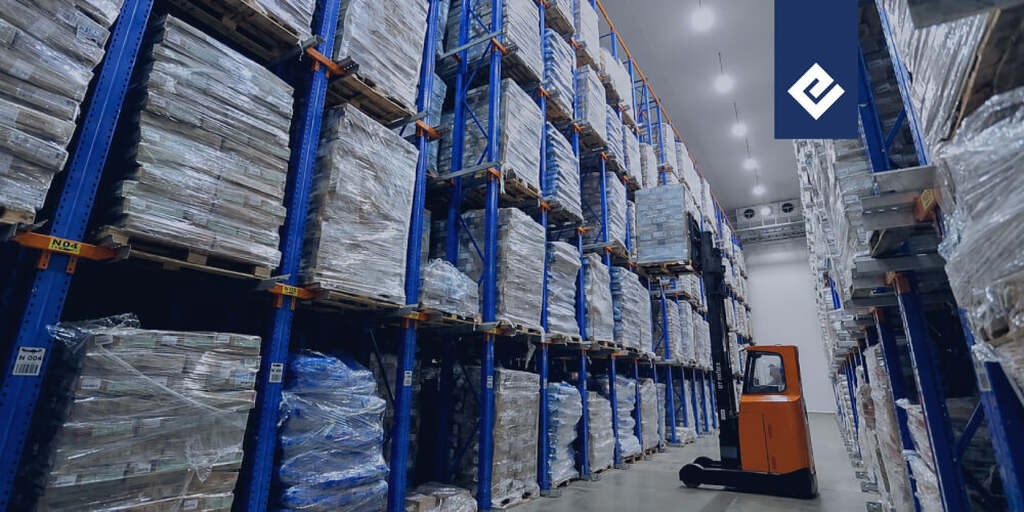
Furthermore, modern logistics hubs have automation, tracking and food temperature control technologies, guaranteeing safety, visibility and efficiency throughout the operation.
Principal characteristics of logistics hubs
Efficient logistics hubs have a combination of proper physical structure, optimized processes and technological resources.
Among its principal characteristics are the following:
- Strategic location: generally positioned close to ports, airports, main highways or urban centers to facilitate integration with different regions and modes;
- High operational capacity: structures dimensioned for large incoming and outgoing volumes of products, with simultaneous and well coordinated flows;
- Multimodal integration: direct connection with different modes of transport (road, rail, air and maritime), broadening the logistical scope;
- Logistics management systems (WMS/TMS): control of stocks in real time, receiving, issuing and tracking of loads;
- Control of temperature: in operations requiring a cold chain, the hubs have refrigerated and frozen rooms, as well as blast freezing areas;
- Operational flexibility: adaptability to deal with different types of load (perishable, industrial, pharmaceutical etc.), in different conditions of storage and transport.

These characteristics make the hubs key pieces in the reduction of time periods, control of costs and better logistical reliability.
Types of logistics hub
Hubs can be classified according to their function, geographical coverage and operational specialization. The principal types are:
- Regional hub: serves a specific region and has its main focus on fast distribution to nearby places. These are common in metropolitan areas and ones of high consumption;
- National hub: this operates as a point of consolidation and redistribution of loads at a national level, connecting regional distribution centers and long distance transport channels;
- International hub: this acts as a gateway for global operations, connected to international ports and airports. It is responsible for enabling imports and exports in an efficient manner;
- Multimodal hub: a structure prepared for integration between different modes (for example, maritime-rail or road-air), optimizing time and logistics cost;
- Cross-docking hub: operations with minimal or no warehousing, in which the goods are transferred directly from the incoming vehicle to the outgoing one, speeding up the delivery process.
Each type of hub serves a specific logistics need, and the correct choice depends on the model of operation, on the profile of the products and on the distribution strategy of the company.
What are the benefits of a logistics hub?
Investing in a logistics hub is a strategy of competitiveness. By centralizing and organizing the movement of goods into a single point, the company enables significant gains in efficiency, time and cost.
The principal benefits of this structure are explored below:
Efficiency in operations
A well-planned logistics hub promotes a continuous and coordinated operational flow.
With standardized processes and integration of systems, there is greater control over the entry and exit goods, reducing failures, reworking and bottlenecks.
Furthermore, the centralization allows greater visibility of the supply chain, facilitating the planning and decision making based on data.
In practice, this means that loads from different suppliers can be consolidated and redistributed with agility, making maximum use of the capacity of the vehicles and avoiding unnecessary journeys.
Reduction of costs
By concentrating the logistics activities at a single strategic point, operational costs can be reduced significantly.
The consolidation of loads, for example, reduces the number of journeys and optimizes the use of resources such as fuel and labor.
Furthermore, well-located logistics hubs, close to ports, urban centers or main highways, minimize the expense of long journeys and improve the best use of the logistics network.
Another important factor is economies of scale, whereby the larger volume processed at a single place tends to lower the unit cost of transport.
Agility in deliveries
One of the greatest differentials of a logistics hub is the capacity to lower delivery times.
With the concentration of goods and organization by destination or type of load, the products are quickly redirected to their final destinations. This reduces the time spent in the warehouse and speeds up the meeting of orders.
The agility becomes even more evident in operations requiring controlled temperature or involving perishable products, such as food and medications, where time is a critical factor in guaranteeing quality and safety.
Optimization of processes
The structure of a hub enables the use of advanced technologies to automate tasks, tracking in real time and smart management of stocks. This directly impacts the productivity of the team, by reducing errors and improving the predictability of the operations.
Furthermore, by concentrating different stages of the logistics process at a single point, such as receiving, triage, separation, consolidation and dispatch, the processes become more fluid and aligned with the objectives of the business.
The operational standardization, together with the use of data for continuous improvement, elevates the level of service provided and strengthens the trust of clients.
Read also: Supply Chain Management (SCM): what it is and why it is important
What is the difference between logistics hub and distribution center?
Despite both being part of the supply chain, and often being confused, the logistics hub and distribution center have distinct and complementary functions.
The logistics hub acts as a point of connection and forwarding of goods, acting as a central hub of triage.
Its objective is to optimize the transport flows, to consolidate loads and direct the products to their correct destinations with greater agility. It is a strategic node that affords efficiency in the movement of goods, not necessarily long-term warehousing.
Whereas the distribution center is directed at warehousing, order separation and the provision of points of sale or end consumers.
The distribution center is more robust in terms of stock and warehousing structure, and is closer to the end consumer or final point of sale. To summarize:
- Logistics hub: focused on transport, routing and redistribution;
- Distribution center: focused on warehousing and attending to orders.
Companies which integrate both into their logistics network are able to operate with greater flexibility, reducing time periods and costs at the same time.
How to choose a logistics hub?
The choice of a logistics hub must take into consideration a series of factors that go beyond just the basic geographical location.
The right decision can entail significant gains in operational efficiency, cost reduction and level of service to the client. Understand the principal criteria:
- Strategic location: hubs close to ports, airports or large urban centers reduce delivery times and facilitate connectivity between modes of transport;
- Operational capacity: evaluate whether the hub has the suitable structure for the type and volume of loads that your company handles;
- Technology and trackability: hubs with advanced management systems (WMS, TMS) and monitoring in real time offer greater control and visibility over the operations;
- Specialized services: verify whether the operator offers differentials such as controlled temperature, cross-docking, consolidation of loads and customs support;
- Compliance and safety: the logistics partner will have to meet health, environmental and safety norms, especially in sensitive sectors such as food and pharmaceuticals;
- Scalability: the structure needs to be able to accommodate the growth of your operation, both in terms of volume and complexity.
Choosing a hub aligned with the logistics objectives of your business, your company will gain agility, reliability and competitive advantage.
Find out about our integrated logistics solutions!
Emergent Cold LatAm offers complete temperature-controlled food logistics solutions, with a strategic network of warehouses and hubs located at the principal urban centers and ports of Latin America.
Our services are thought out to attend to companies needing rigorous control of temperature, operational visibility and high performance. We work with:
- Refrigerated and frozen warehousing;
- Cross-docking and transfer;
- Multimodal transport;
- Management of stock and trackability;
- International operations and customs integration.
We are specialists in connecting critical points of the supply chain with efficiency, reliability and leading edge technology.
Our logistics hubs are prepared to meet the highest standards of the sector and to guarantee that your operation is fluid and secure, from start to end.
Conclusion
Modern logistics requires more than just transport and warehousing.
It requires operational intelligence, technological structure and partners with the capacity of response to market demands.
In understanding the strategic role of logistics hubs and choosing qualified partners, your company gains not just agility, but also control and predictability at each stage of the supply chain.
Emergent Cold is ready to be this partner, with integrated solutions, strategically positioned hubs and a structure prepared for the challenges of the present and future of logistics.