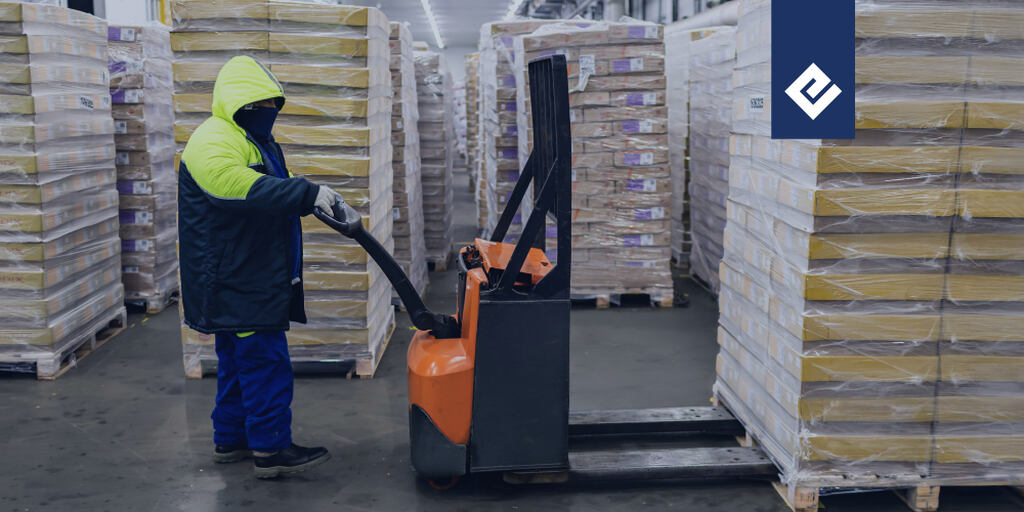


Partnering with a logistics provider is an option for food manufacturers, retailers, and exporters who need to balance efficiency, cost control, product preservation, and adaptation to market demands.
As operations grow or become more complex, handling all activities in-house may require more infrastructure, technology, and expertise. In this scenario, the support of a specialized partner can contribute to more integrated, flexible, and predictable operations.
What is the role of a logistics operator?
A logistics operator is the company responsible for integrating different stages of the supply chain, such as receiving, warehousing, inventory management, order fulfillment, transportation, distribution, and traceability.
By integrating these activities, the company gains greater visibility into the operation and reduces the need to manage multiple suppliers. Depending on demand, services such as picking, packing, cross-docking, labeling, processing, and other value-added activities may also be included.
In more complex supply chains, an integrated operation also helps reduce the impact of delays or failures between different stages.
Difference Between a Traditional Logistics Operator and One Specializing in the Cold Chain
While a conventional operation handles products without specific preservation requirements, the cold chain requires temperature control throughout storage, handling, and transportation.
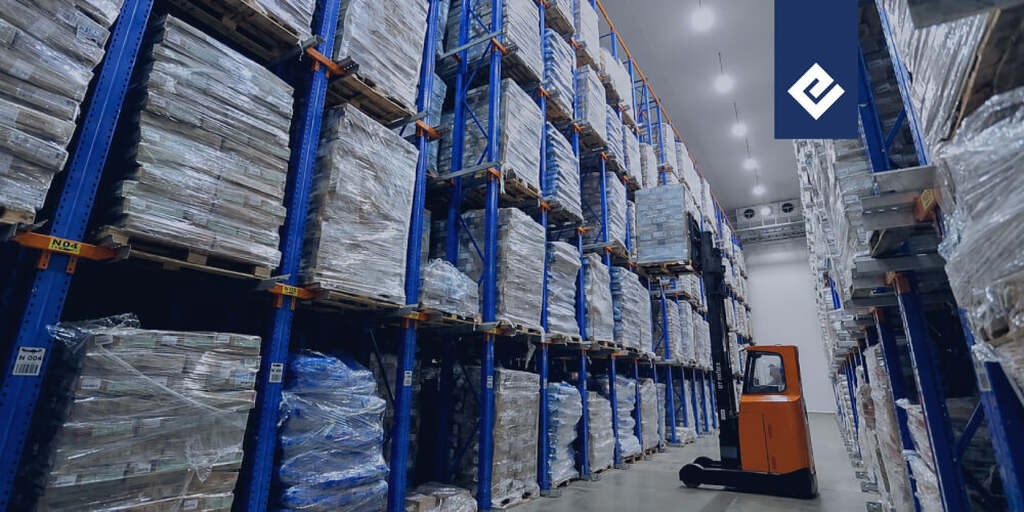
Therefore, infrastructure, equipment, processes, and teams must be prepared to meet the specific requirements of refrigerated and frozen products. This includes facilities for different temperature ranges, appropriate vehicles, monitoring systems, and specific handling procedures.
This specialization helps reduce disruptions between operational stages, bringing greater security and predictability to the logistics chain.
Benefits of logistics outsourcing for different sectors
Logistics outsourcing can reduce the need to maintain in-house infrastructure that requires constant investment in warehouses, equipment, fleet, technology, maintenance, and specialized teams.
For food manufacturers, this allows them to focus resources on product development, production, and marketing, while a specialized partner manages logistics activities.
In retail, a well-structured warehousing and distribution network can facilitate the supply of goods to different points of sale, even during periods of fluctuating demand.
For exporters, location and connectivity play an important role. Facilities located near ports and logistics corridors can reduce unnecessary transportation and make the connection between production, storage, and shipping more efficient.
Another benefit lies in loss prevention. More efficient inventory management, greater product visibility, and proper temperature control help reduce incidents that could compromise perishable foods.
How does technology contribute to logistics efficiency?
Technology contributes to logistics efficiency by automating processes, increasing operational visibility, and generating data that supports faster and more accurate decisions. In practice, these features facilitate inventory control, transportation planning, cargo traceability, and monitoring of operational conditions.
According to Cristian Cornejo, Commercial Director for Chile and Peru at Emergent Cold LatAm, our automated warehouse is an example of this. The use of technology has allowed us to optimize space, reduce loading and unloading times, lower carbon emissions, and improve inventory management. These advances make the logistics process increasingly faster, safer, and more efficient.
Warehouse management systems, for example, help control incoming and outgoing shipments, inventory locations, and movements. Meanwhile, transportation-focused tools support route planning, delivery tracking, and vehicle management.
In the cold chain, technology also plays a key role in temperature control. Monitoring during transport provides greater visibility into cargo conditions and allows for quicker identification of any deviations.
By connecting information on storage, inventory, and transportation, technology also contributes to more integrated management of the logistics chain, supporting planning, traceability, and continuous process improvement.
What precautions ensure compliance in food logistics?
Key precautions include temperature control and logging, facility and equipment hygiene, batch traceability, proper inventory management, staff training, and operational documentation.
Requirements may vary depending on the type of food, the country, the destination of the goods, and the characteristics of the operation. Therefore, a specialized partner must understand the specific characteristics of each market and adopt procedures tailored to each situation.
For companies operating internationally, this expertise also helps meet different requirements throughout the supply chain and reduce operational risks.
How to choose a logistics partner for perishable goods?
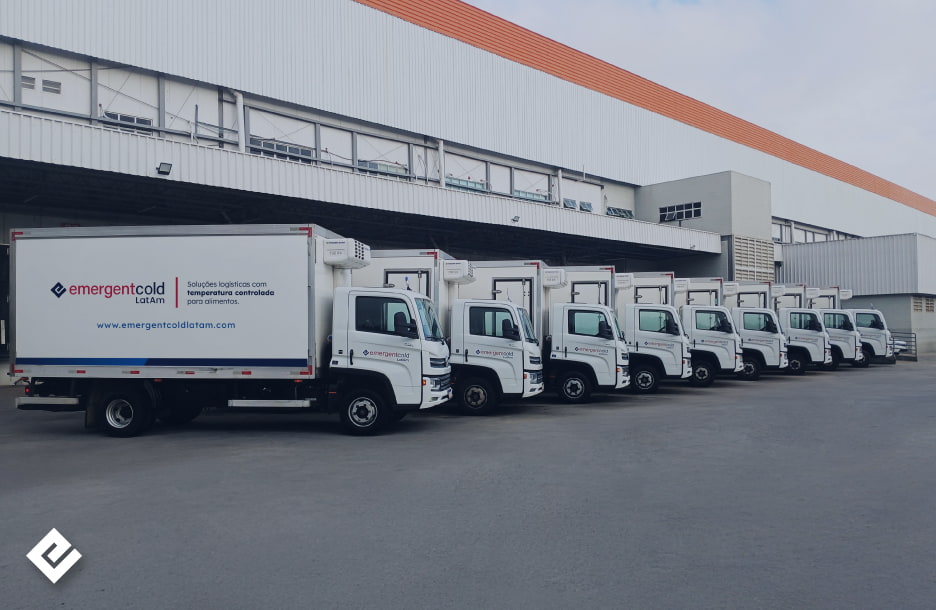
Price is an important factor, but it should not be the only criterion. Before signing a contract, it is recommended to evaluate the supplier’s experience with the type of product being handled, its infrastructure, geographic coverage, storage capacity, transportation solutions, and technologies used to monitor the operation.
It is also important to understand the partner’s integration capabilities. The more stages that can be coordinated in a connected manner, the greater the company’s visibility into inventory, handling, and distribution tends to be.
Scalability is another key factor. An operation may need to increase storage space during certain periods, serve new markets, or reorganize distribution routes.
The partner must be able to adapt to these changes. Industry experience, infrastructure, technology, transparency, and the ability to meet compliance requirements are among the criteria typically considered in this decision.
When can outsourcing logistics operations be strategic?
Outsourcing becomes strategic when maintaining an in-house structure results in very high costs, operational complexity, or limitations on growth.
A company that needs to expand its refrigerated capacity, for example, may have to invest in new facilities, equipment, systems, and personnel. By working with a logistics provider that already has this infrastructure in place, part of these investments can be replaced by purchasing services as needed for the operation.
The same reasoning applies to companies facing seasonality, expanding into new regions, or seeking to increase efficiency without proportionally expanding their internal structure.
The decision should take into account costs, service levels, risks, and long-term objectives. More than just transferring tasks, outsourcing can mean incorporating specialized knowledge, infrastructure, and technology into the company’s logistics strategy.
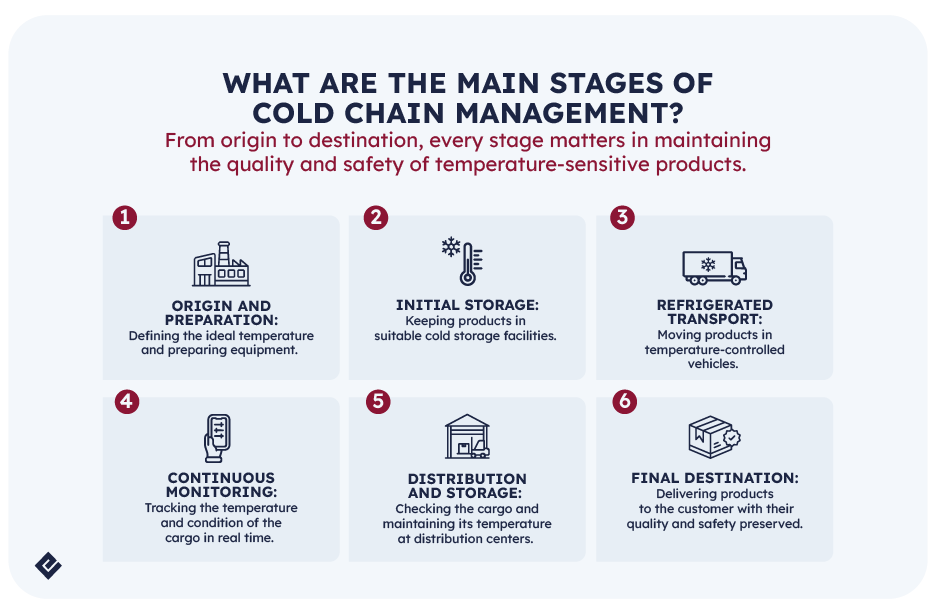
Suggestion: Include an infographic showing all the integrated stages of the cold chain.
Does it make sense to outsource your logistics operations now?
| Use the questions below as an initial assessment: | YES | NO |
| Has maintaining your own warehouses, fleet, equipment, and staff put pressure on operating costs? | ||
| Does the company need to expand its refrigerated capacity without making major investments in infrastructure? | ||
| Do you have trouble keeping up with demand spikes or seasonal fluctuations? | ||
| Is the business expanding into new regions or markets? | ||
| Has managing the various stages of the logistics process increased internal complexity? | ||
| Is the company looking to incorporate more technology, traceability, and visibility into its operations? | ||
| Does the current structure hinder efficiency gains or business growth? |
The greater the number of positive responses, the more relevant logistics outsourcing tends to be as an alternative for supporting the efficiency, flexibility, and growth of the operation.
Discover our solutions for integrating your cold chain operations
In perishable food logistics, warehousing and transportation should not be viewed as isolated processes. The greater the integration between these stages, the greater the potential to increase efficiency, preserve product quality, and enhance operational visibility.
We offer integrated solutions for temperature-controlled storage, transportation, and value-added services. Our network spans 11 countries in Latin America—Brazil, Chile, Colombia, Ecuador, Guatemala, Mexico, Panama, Paraguay, Peru, the Dominican Republic, and Uruguay—with facilities strategically located in major urban centers and ports across the region.
This presence expands our ability to connect different stages of the cold chain and meet the needs of food manufacturers, retailers, and exporters in regional and international operations.
With specialized expertise in food and dedicated temperature-controlled infrastructure, we partner with companies seeking to make their logistics more integrated, efficient, and prepared for the challenges of regional and international markets.