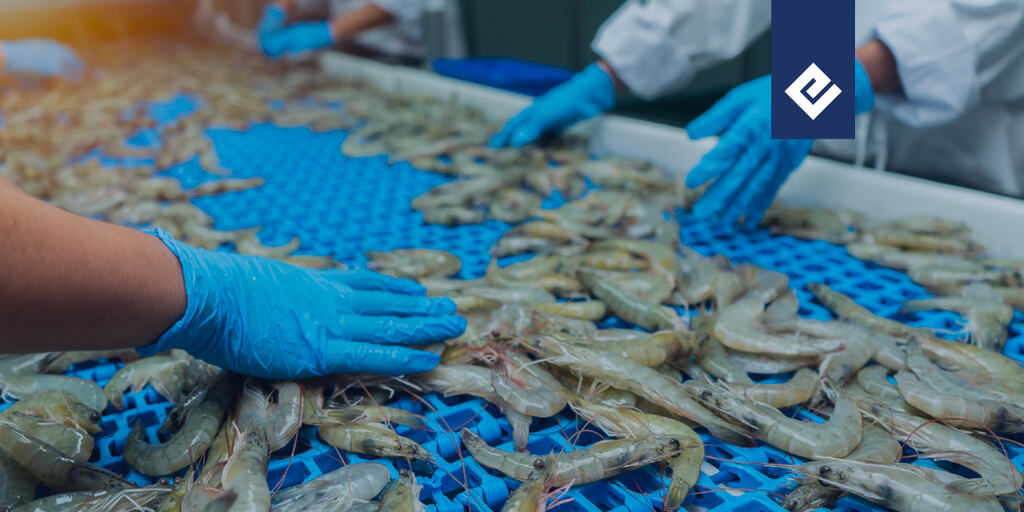


Vannamei shrimp (also known as white shrimp) hold a prominent position in global aquaculture. Found in various markets and consumption formats, the species has gained ground thanks to large-scale production, commercial versatility, and a growing share of the international seafood trade.
In this context, Ecuador has established itself as one of the world’s leading producers and exporters of shrimp. In 2025, the country exported approximately 1.4 million metric tons of the product, generating more than $8.4 billion—both all-time records for the Ecuadorian sector.
However, for this volume to reach markets located thousands of kilometers away while preserving its quality, one element is indispensable: an efficient refrigerated logistics chain capable of connecting farms, processing plants, warehouses, ports, and international buyers.
Vannamei Shrimp: Characteristics Driving Global Demand
Known scientifically as Litopenaeus vannamei or Penaeus vannamei, the Vannamei is also called the Pacific white shrimp. The species is native to the eastern coast of the Pacific Ocean and has found favorable conditions for large-scale production in aquaculture.
According to the FAO (Food and Agriculture Organization of the United Nations), the Vannamei shrimp can grow to approximately 23 centimeters and is typically white and translucent in color, though this can vary depending on factors such as diet, environment, and water conditions.
In addition to its biological characteristics that make it well-suited for farming, the species meets a variety of market needs. The shrimp can be sold whole, headless, peeled, cleaned, with or without the tail, and in other higher-value-added products, offering alternatives to retailers, distributors, restaurants, and the food industry.
This flexibility helps explain its presence in various consumer markets and makes quality, standardization, and preservation of great importance in the export chain.
Why does Ecuador lead the world in production and exports?
Ecuador’s shrimp farming industry has developed over decades. Commercial farming gained momentum in the country starting in the late 1960s, and since then, the sector has made strides in genetics, nutrition, management, productivity, and technology.
Ecuador’s natural conditions also favor the industry. The tropical climate, high temperatures, and characteristics of the coastal regions contribute to shrimp farming.
At the same time, production has undergone a process of professionalization. Genetic improvements have led to more resilient shrimp with better growth rates, while advances in feed and management have helped increase production efficiency.
According to the Central Bank of Ecuador, in 2025, Ecuadorian shrimp exports grew by 15.3% in volume compared to the previous year, while revenue reached $8.4 billion.
This performance makes shrimp not only a significant product for aquaculture but also one of the main components of Ecuador’s non-oil export portfolio.
From Production to the International Market: The Challenges of the Logistics Chain
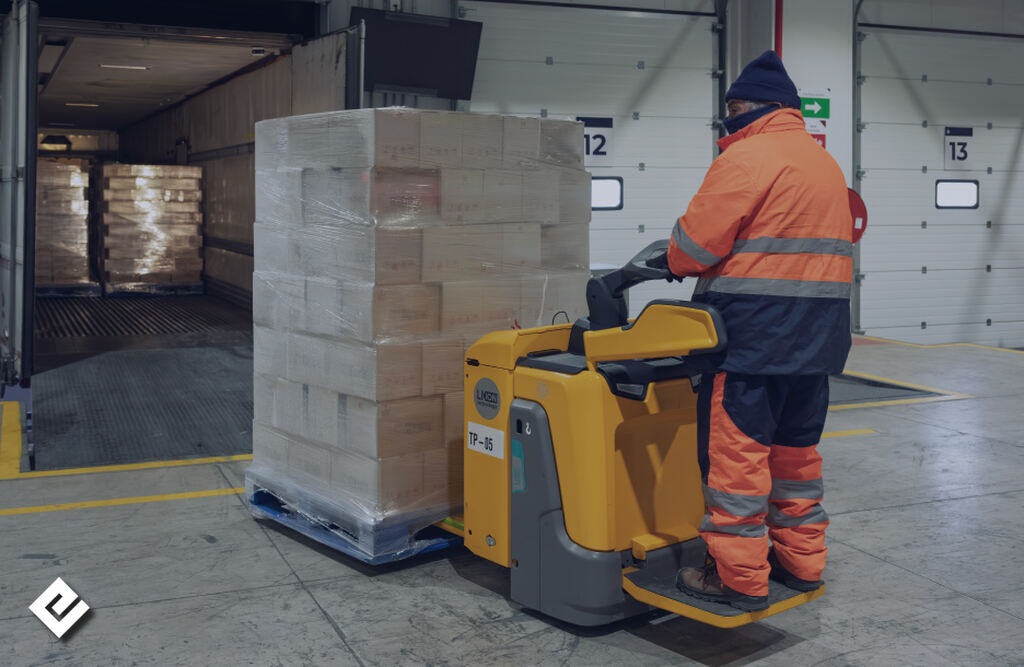
The competitiveness of Ecuadorian shrimp does not depend solely on the production stage. After harvesting, a series of logistics operations begins that must function in a coordinated manner to preserve the product’s quality until it reaches the destination market.
Essentially, this process involves stages such as:
- Harvesting and initial product handling;
- Transportation to processing facilities;
- Sorting, processing, and packaging;
- Chilling or freezing, depending on the product being sold;
- Temperature-controlled storage;
- Transportation to port terminals;
- Export in refrigerated containers;
- Distribution in the destination country.
For a highly perishable food product, delays, packaging failures, or temperature fluctuations can affect texture, appearance, safety, and shelf life.
Therefore, logistics efficiency is not just about speed. It also depends on adequate infrastructure, planning, integration among supply chain participants, and maintaining the correct storage conditions throughout the entire journey.
“Choosing the right cold-chain logistics operator or cold storage facility can make the difference between maintaining the product’s value or losing it,” adds Omar Viteri, General Manager for Ecuador at Emergent Cold LatAm.
Temperature Control and Traceability in the Export of Refrigerated Products
One of the main challenges in the seafood supply chain is maintaining proper storage conditions from processing through consumption. Temperature control helps slow down the spoilage process and preserve the product’s characteristics during storage and transport.
For refrigerated and frozen products, continuously maintaining the specified conditions for the cargo is especially important. It is not enough to simply reach the proper temperature at a given moment; the cold chain must be preserved throughout the various stages of the logistics process.
Another key component is food traceability. Digital systems allow for the recording and tracking of information regarding the origin, processing, and movement of the cargo, thereby increasing operational visibility.
The Ecuadorian sector itself has been investing in this area. Initiatives in the country already use traceability technologies that allow information to be tracked from the production stages through to the sale of shrimp.
For exporters, this level of control contributes to more predictable operations and makes it easier to meet the various requirements of destination markets.
Trends and Opportunities for Ecuadorian Shrimp in the Global Market
China, the United States, and European markets are among the main destinations and centers of demand for shrimp produced in Ecuador. The industry is also seeking to expand its presence in other regions, including the Middle East, other Latin American countries, and new Asian markets.
This trend creates opportunities but also increases the complexity of operations. The more distant and diversified the consumer market, the greater the importance of combining production capacity with a logistics infrastructure equipped for international trade.
In addition to volume, there is room for processed products with higher value-added, featuring different cuts, sizes, and packaging formats tailored for retail and food service.
In this context, quality, traceability, operational efficiency, and logistical reliability become key factors in strengthening the competitiveness of Ecuadorian shrimp in international markets.
Emergent Cold LatAm: Infrastructure for the Food Cold Chain
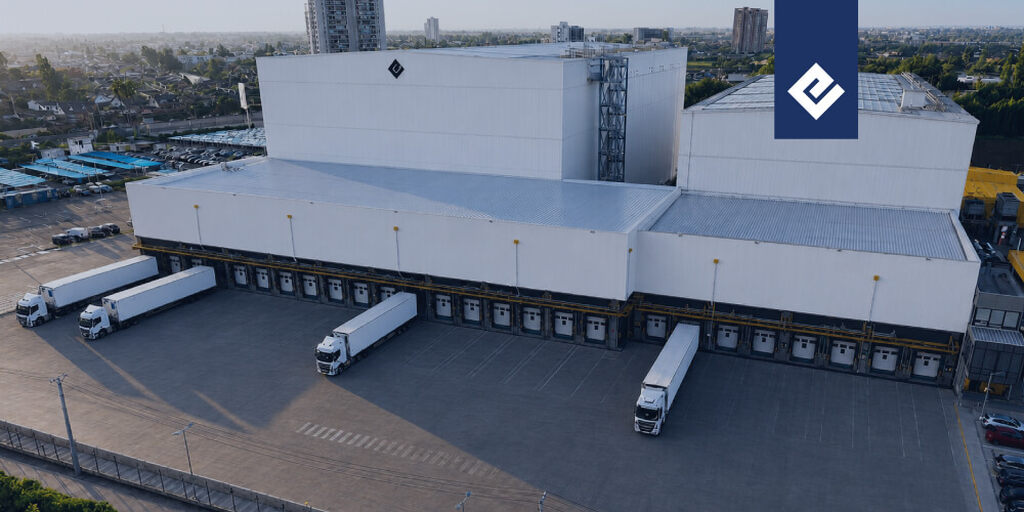
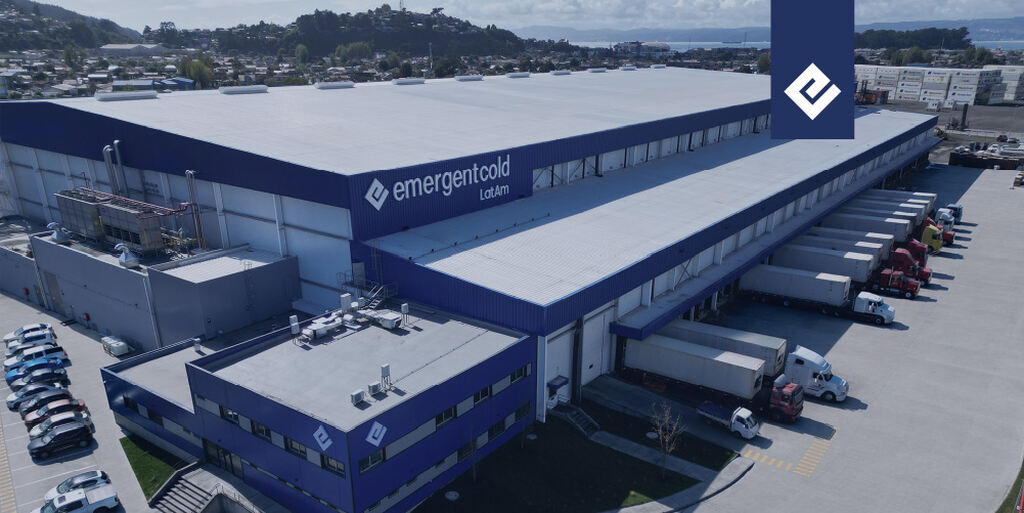
A supply chain as large as Ecuador’s shrimp industry requires infrastructure capable of keeping pace with exports.
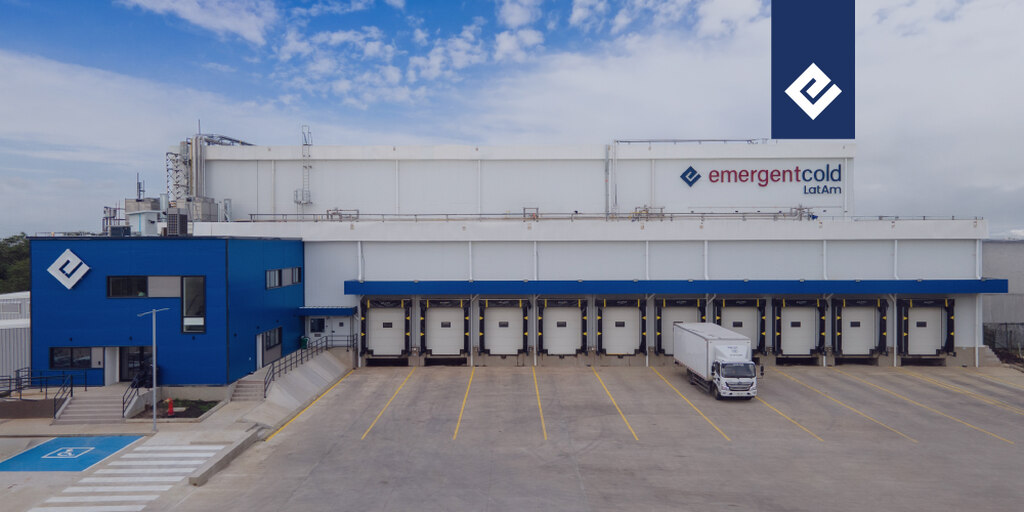
We operate in Latin America, offering temperature-controlled logistics solutions for perishable goods. In Ecuador, our operation is located in Durán, a strategic region for connecting to the country’s main port and export routes.
Through temperature-controlled food storage solutions, refrigerated and frozen transport, monitoring, and traceability, we help ensure that seafood and other perishable foods maintain the necessary conditions throughout their logistics journey.
In the case of Vannamei shrimp, this infrastructure is particularly important in linking production to foreign trade. Storage located near logistics routes, temperature control, and integrated operations help reduce unnecessary movements, increase predictability, and preserve the integrity of the cargo.
Thus, as Ecuador expands its presence in the global shrimp market, a modern and integrated cold chain helps sustain this growth, transporting products from their source to international markets efficiently, safely, and with strict quality control.
FAQ – Frequently Asked Questions
What does “Vannamei shrimp” mean?
It refers to the Pacific white shrimp (Penaeus vannamei), one of the most widely farmed and traded species in global aquaculture.
What is the difference between Vannamei shrimp and other types of shrimp?
Vannamei shrimp stand out for their widespread aquaculture production, rapid growth, and versatility for different marketing formats.
How can you identify Vannamei shrimp?
Vannamei shrimp can be identified by their translucent white color. In addition, they can grow up to 23 cm, although their appearance varies depending on their environment and diet.
Who is the largest shrimp exporter?
Ecuador is one of the world’s leading shrimp exporters and reached a record $8.4 billion in exports in 2025.