

Beef meat is one of the most important productive chains of the food industry and depends on highly structured logistics processes to keep the meat safe, fresh and fit for consumption.
Even after slaughtering, a large part of the final result depends directly on how the product is chilled, transported and warehoused throughout the distribution route.
In this context specialized solutions, such as those of Emergent Cold LatAm, are essential to guarantee rigorous standards, reduces losses and strengthen competitivity of companies in the segment.
What is the beef industry?
The beef industry is the activity involved in the raising and fattening of cattle for the production of meat. This chain involves the proper handling, nutrition, well-being of the animals and slaughtering processes in accordance with the health requirements.
After the initial processing, the meat undergoes stages of chilling and classification before going on for distribution.
It is an activity that depends on the integration between the field, refrigeration and logistics operators.
The role of logistics in the beef production process
Logistics is responsible for connecting the production to the consumer markets, guaranteeing that the meat arrives under the ideal conditions for consumption. This involves from the warehousing in certified and monitored units through to the transport at temperature-controlled.
The more structured the logistics, the less waste and the greater the reliability of the product delivered to retailers, exporters and food industries. Find out more about the logistics stages:
Temperature-controlled warehousing
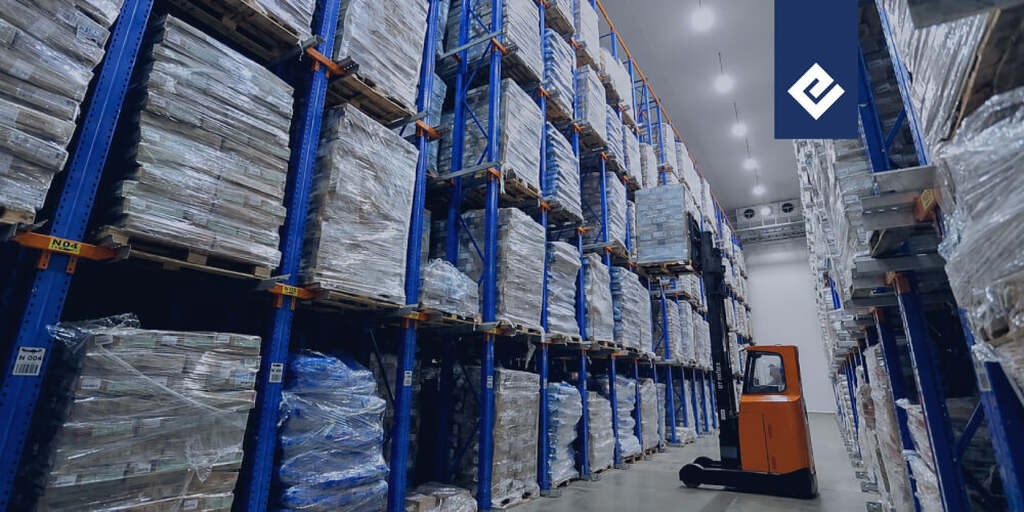
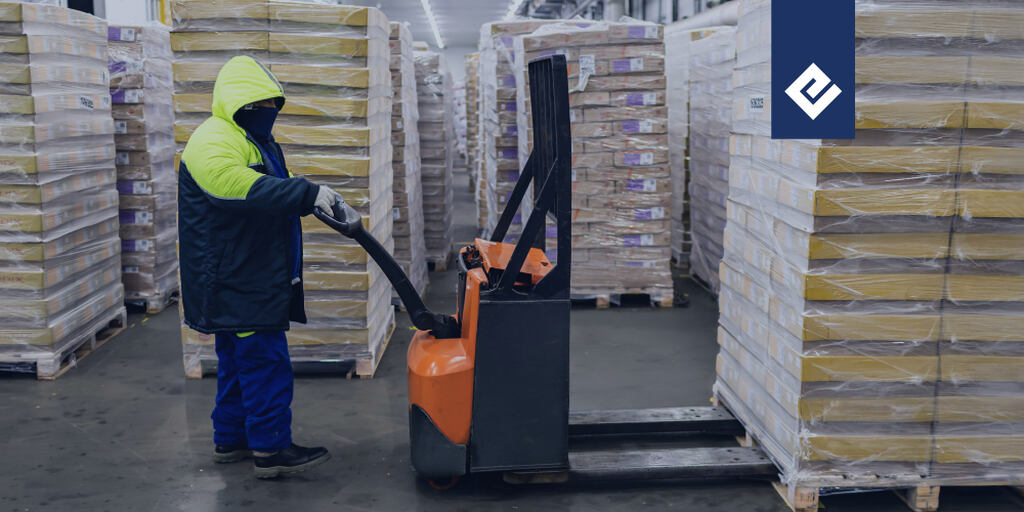
After the initial transport from the cold warehouse to the distribution centers, the meat is stored in refrigerated or frozen rooms in warehousing centers. Here, the temperature has to be maintained with precision, with rigorous control always and frequent inspections.
Clean, organized environments and with low exposure to humidity help avoid contamination. Management systems enable the recording of the entry, exit and conditions of the cargo, guaranteeing complete tracking of the product.
Proper warehousing prolongs the useful life of the meat, reduces losses and ensures that only products meeting the health standards continue on to the consumers.
Transport of beef
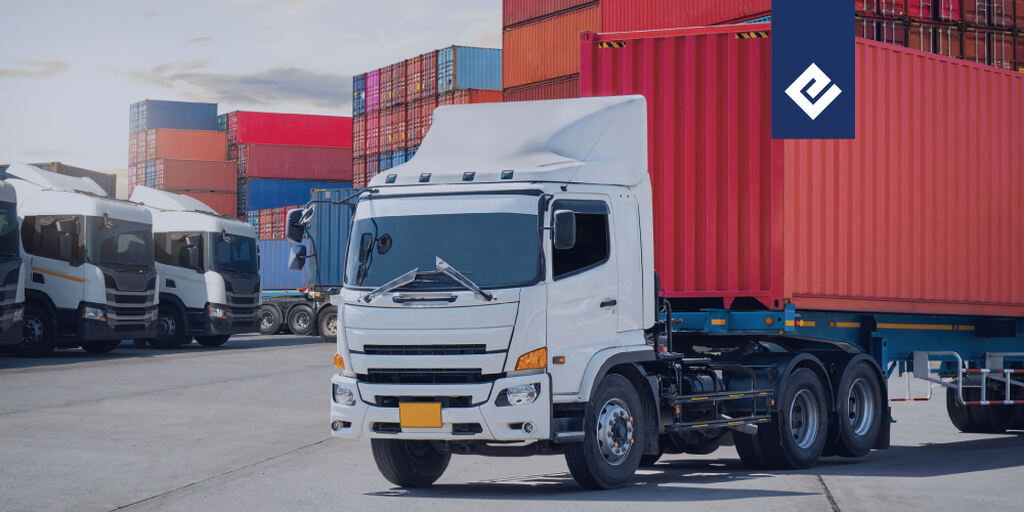
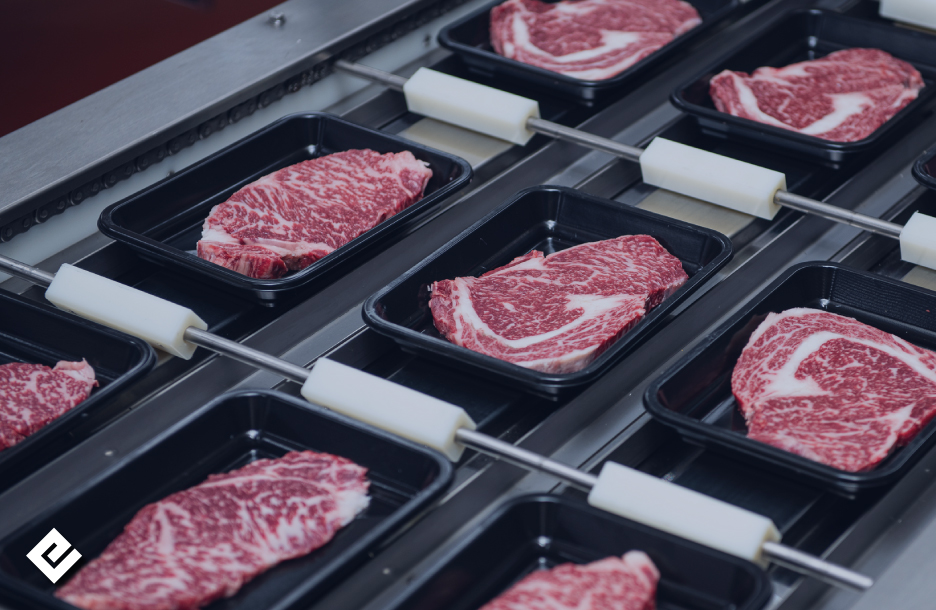
Transport is one of the most sensitive stages of the chain, where the meat must be transported in refrigerated vehicles, at a stabilized temperature and with systems able to avoid sharp variations during the journey.
Sensors installed in the compartments enable accompaniment of the temperature in real time, offering immediate response in case of anomalies. Besides this, planned routes, the hygiene of vehicles and training of drivers reduce the risk of contamination and preserve characteristics such as texture, color and flavor.
The continuous maintenance of the refrigeration equipment and the checking of sanitary compliance are essential to guarantee the integrity of the cargo.
Principal logistical challenges for the beef industry
The chain for beef meat faces challenges that go beyond the transporting and warehousing. Among the most common ones are:
- Maintaining the proper temperature throughout all stages of the operation;
- Avoiding cross-contamination and guaranteeing constant hygienic conditions;
- Complying with health standards and the specific documentation of each country;
- Managing long distances without prejudicing the quality of the product;
- Reducing losses arising from failures in the refrigeration or delays;
- Providing full trackability to attend to audits and the requirements of the market.
What are the trends in food logistics for beef?
The modernization of the supply chain accelerates the use of innovative technologies in the sector. Among the principal trends we can highlight:
Advanced logistics management systems
More complete platforms integrate information on the transport, warehousing, orders and quality indicators into a single environment. This enables visualization of the operation in real time, reduces manual failures and facilitates strategic analyses.
The automation of these flows strengthens the precision of the records, improves decision making and creates more efficient and safer processes.
IoT monitoring throughout the journey of the product
Smart sensors installed in cold rooms, distribution centers and in vehicles enable the accompaniment of temperature, humidity and location minute by minute.
This level of visibility helps identify any divergence quickly, avoiding losses and guaranteeing that the food remains within the required health standards. Besides this, the data collected feed complete reports for audits.
Artificial Intelligence applied to forecasting and planning
AI is outstanding in the analysis of large volumes of data to forecast demand, optimize routes and adjust stock levels. Thus, companies reduce costs, improve customer service and avoid ruptures.
Predictive models also help anticipate risks, such as variations in temperature, logistical bottlenecks or peaks in consumption.
More efficient and sustainable refrigerated vehicles
New models of refrigerated trucks and trailers have more robust refrigeration systems, lower energy consumption and technologies that keep the temperature stable even over long distances. This evolution contributes to reducing environmental impact and increases the reliability of the deliveries.
Trackability based on data
The use of digital platforms enables recording of all the stages traveled by the cargo, from the origin through to the destination. This trackability facilitates fast audits, checks for regulatory compliance and offers greater transparency for clients and inspection bodies. In case of incidents, identification of the cause is immediate.
Strategic partners to expand distribution
Companies have sought out alliances with logistics operators, refrigerated warehousing companies, technology startups and specialized transporters. These partners expand the capacity of attendance, reduce waste and strengthen the whole chain, and by sharing resources and information, processes become more integrated and efficient.
Find out about our solutions for the supply chain
We provide complete temperature-controlled solutions for the warehousing, transportation, and distribution of perishable foods.
Our infrastructure has modern distribution centers, certified refrigerated or frozen storage, transport operations with monitoring in real time and teams trained to guarantee total safety of the cargo.
We also provide added value services, such as labeling, repackaging, consolidation of orders and support for export processing. With advanced technology and strategic presence in Latin America, we support companies in the beef sector in the construction of a more efficient and reliable logistics chain.