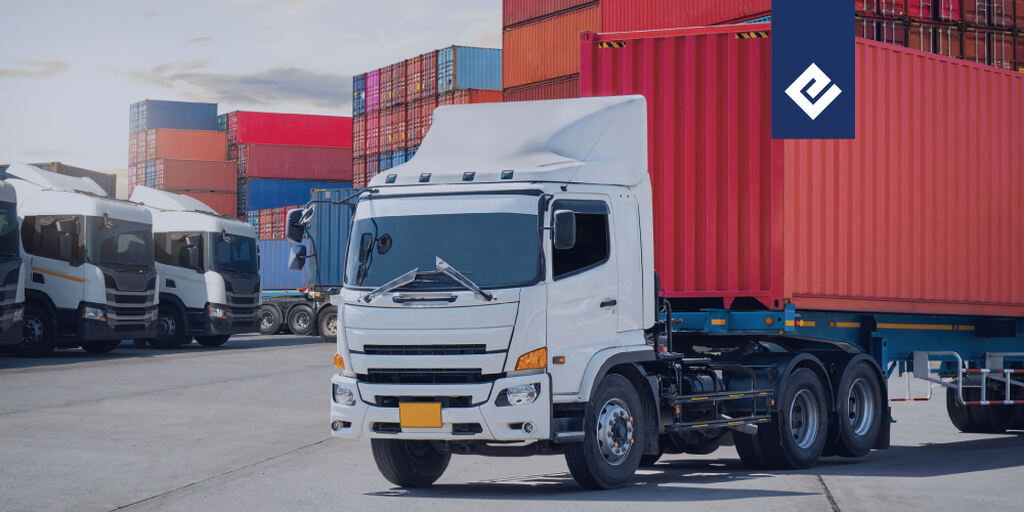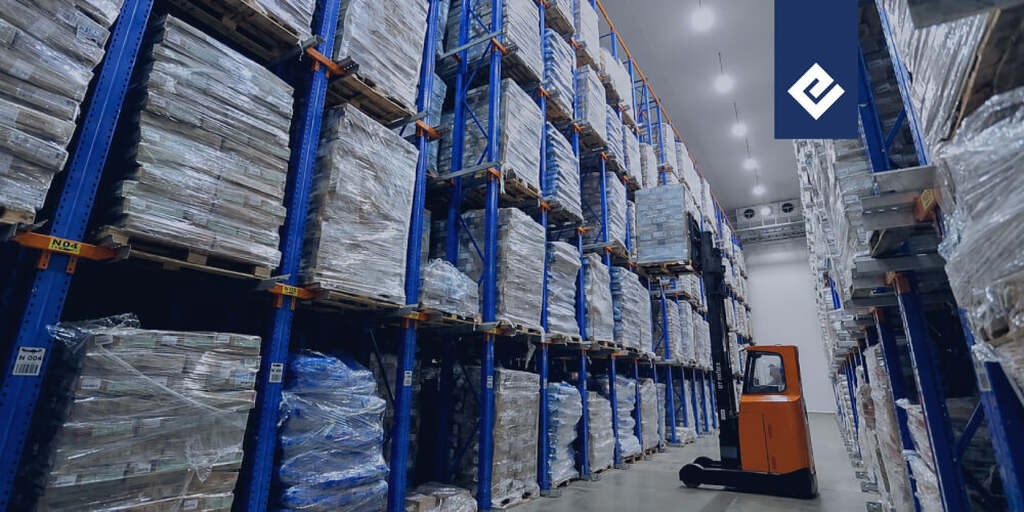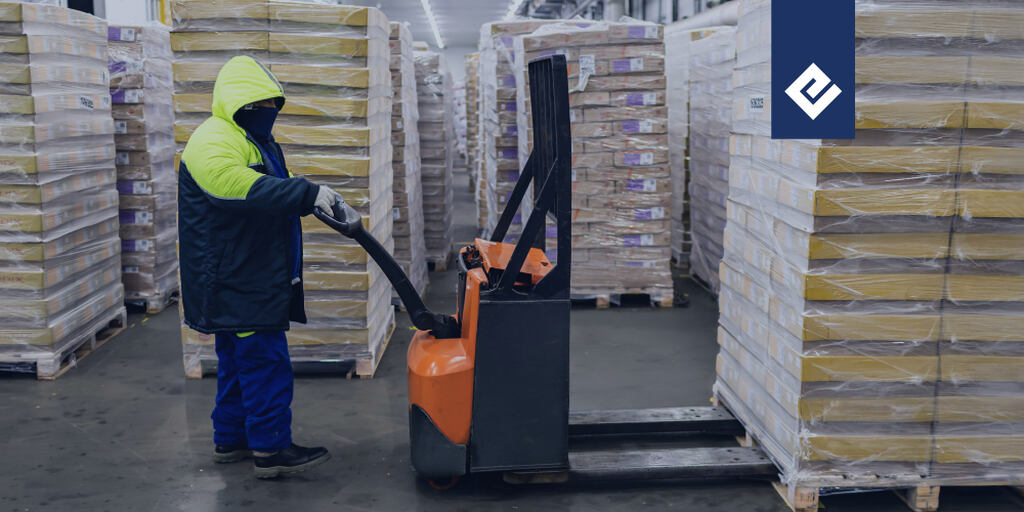


Is it possible to compete in the global food market without rigorous and well structured processes? In a scenario where every stage is evaluated attentively, customs compliance has become indispensable to guaranteeing that perishable cargo cross borders in safety and without delays.
For the food industry, this is even more critical: quality, trackability and compliance are basic demands to serving international markets. Thus, counting on specialized partners such as Emergent Cold LatAm makes the whole operation more secure, efficient and predictable.
What is customs compliance?
Customs compliance is the set of practices adopted by companies to guarantee that their international operations are in full compliance with the rules regulating foreign trade.
This concept includes from the correct fiscal classification of products to the proper presentation of licenses, certificates and documents allowing their legal transit between countries.
The principal objective is to have each stage of the export take place transparently, in an organized manner and in accordance with the requirements of global regulatory bodies. This reduces risks, avoids penalties and guarantees greater operational predictability.
Fiscal classification
The fiscal classification is one of the pillars of customs compliance and consists of the process of identifying the correct category of each product within the codification systems in effect in international trade.
A proper classification:
- Directs the administrative treatment of the goods;
- Defines applicable taxes, requirements and controls;
- Avoids errors that may entail fines or retention of cargo;
- Guarantees standardization and agility in customs analyses.
In the food sector, the correct classification is fundamental to attending to the specificities of each type of product, especially those requiring temperature-controlled handling.
Document management
Document management is another essential element in customs compliance. In international operations, any inconsistency, even a minimal one, can generate delays, additional inspections, and even the suspension of shipments.
Among the principal documents involved in exports of foods are declarations of origin, health certificates, composition information and the shipping documents.
Efficient management entails:
- Standardizing processes;
- Maintaining up to date records;
- Avoiding discrepancies between documents;
- Guaranteeing that all the requirements are fulfilled before the arrival of the cargo at the destination.
When properly structured, this stage significantly reduces risk and speeds up customs release.
Certifications and licenses
In the global food market, certifications and licenses function as proof of quality and safety. Besides facilitating entry into international markets, they demonstrate that the company complies with the necessary regulatory and health requirements.
These certifications may be associated with food safety standards, production processes, temperature-controlled handling and trackability; all of which are central elements to the integrity of the logistics chain of perishable products.

Best implementation practices of customs compliance
To achieve a really safe and efficient operation, export companies must adopt consistent practices, such as:
- Standardization of internal processes, guaranteeing that all stages flow clearly;
- Periodic audits, to identify failures and correct inconsistencies;
- Use of technology, such as document management and tracking systems;
- Continuous training, updating teams on the rules and procedures;
- Relationship with reliable partners, attending to global requirements;
- Forward planning, reducing risks during inspection.
As Johanna Moreno, Commercial Director for the Caribbean region at Emergent Cold LatAm highlights, “international operations require procedural discipline, clear trackability and integration between teams to guarantee predictability at all stages of the export process.”
These initiatives increase the legal security of the operations and guarantee that the company is always prepared to attend to the demands of international trade.
Are there compliance challenges to exporting foods?
Yes, there are. Despite the importance of customs compliance, companies in the sector face frequent challenges, for example:
- Complexity and volume of documents required;
- Handling of perishable foods with strict timelines;
- Need for integration between internal areas and logistics operators;
- Variations in international requirements;
- Risk of delays that may compromise the integrity of the cargo.
So how can greater efficiency in the international transport of food be guaranteed?
To achieve real efficiency in the international transit of food, companies must integrate customs compliance and specialized logistics. This includes:
- Preparing documentation beforehand;
- Using secure cold chains;
- Monitoring temperature in real time;
- Counting on systems that guarantee total trackability;
- Operating with partners able to attend to global requirements.
When compliance is reinforced by high performance logistics, exporting becomes quicker, more secure and predictable.
Check out one of our successful case histories: Scarcity of containers: the importance of a reliable supplier in maintaining the cold chain
Find out about our cold chain solutions
We are a benchmark in integrated solutions for the food sector, we offer modern infrastructure, monitoring technology and operations aligned with the best global compliance practices.
With strategically located units, advanced tracking systems and strict temperature-controlled processes, we guarantee that foods maintain their quality throughout the whole journey, from loading to international delivery.
Our services reduce risks of non-compliance, avoid customs delays and ensure that each cargo complies with the standards required by the global market. With Emergent Cold LatAm as a partner, exporters can operate with greater trust, safety and efficiency.