


The concept of food technology brings together solutions and processes that modernize the production, preservation, and distribution of food products.
In a sector increasingly pressured by efficiency demands, food safety requirements, and sustainability goals, technological innovation has become essential to ensure quality, reduce losses, and increase competitiveness.
From industrial automation to intelligent monitoring in logistics, digital transformation influences the entire value chain.
Technological Innovation in the Food Industry
The Latin American food industry is experiencing a cycle of modernization driven by three main factors: pressure for food safety, the need for productivity gains, and growing sustainability goals.
The adoption of digital technologies, integrated management systems, and automated equipment allows for greater production standardization and real-time quality control.
At the same time, stricter regulations and consumers who are more attentive to product origin reinforce the importance of traceability and transparency.
In this context, technology moves beyond an operational support role and begins to occupy a strategic position, connecting farms, industry, distribution centers, and retail within a data-driven ecosystem.
Main Food Technologies and Their Impact on the Sector
Digital and industrial transformation in the food sector can be observed across different fronts. Below, we highlight the main technologies and their practical impacts.
1. Biotechnology
Biotechnology applied to food involves the use of microorganisms, enzymes, and biological processes to improve nutritional characteristics, increase productivity, and develop new products.
Examples include foods enriched with probiotics, crops more resistant to pests, and precision fermentation techniques. These solutions increase benefits, reduce losses in the field, and contribute to greater efficiency in the use of natural resources.
In addition, biotechnology drives the development of alternative proteins and plant-based ingredients, aligned with the growing demand for more sustainable diets.
2. Traceability
Traceability systems make it possible to track perishable food from its origin to the final consumer. Through QR codes, RFID, and integrated platforms, it is possible to record information about batch numbers, production dates, and transportation and storage conditions.
The impact is direct on food safety. In cases of non-compliance, the rapid identification of the batch reduces health risks and minimizes financial losses. For exporters, traceability also facilitates audits and compliance with international regulatory requirements.
3. Big Data & Artificial Intelligence
Big Data and Artificial Intelligence are transforming decision-making in the food industry. Sensors installed on production lines, cold storage facilities, and transport vehicles generate large volumes of operational data.
With predictive analytics, it is possible to anticipate equipment failures, optimize logistics routes, adjust inventory levels, and forecast demand with greater accuracy. The result is reduced waste, greater operational efficiency, and better alignment between supply and consumption.
In cold chain logistics, for example, continuous monitoring systems identify temperature deviations in real time and trigger contingency plans before the integrity of the product is affected.
4. Sustainable Technologies
Sustainability is one of the central pillars of innovation in the sector. Technologies focused on energy efficiency, water reuse, and emissions reduction are gaining ground in industrial plants and logistics centers.
Smart packaging also stands out. It can indicate temperature variations, changes in pH, or proximity to the expiration date, contributing to safety and loss reduction. Biodegradable and recyclable materials complement the circular economy strategy.
Solutions such as solar panels, refrigeration systems using lower climate-impact gases, and energy consumption monitoring help companies achieve environmental goals without compromising operational performance.
5. Food Preservation Technologies
New preservation techniques extend the shelf life of foods while maintaining sensory quality and nutritional value. Among them are individual quick freezing (IQF), modified atmosphere, high hydrostatic pressure, and advanced pasteurization.
These technologies reduce waste, facilitate exports, and ensure stability during long periods of transport and storage. In international markets, the ability to maintain product integrity is a key factor for competitiveness.
Trends for the Future of the Food Sector
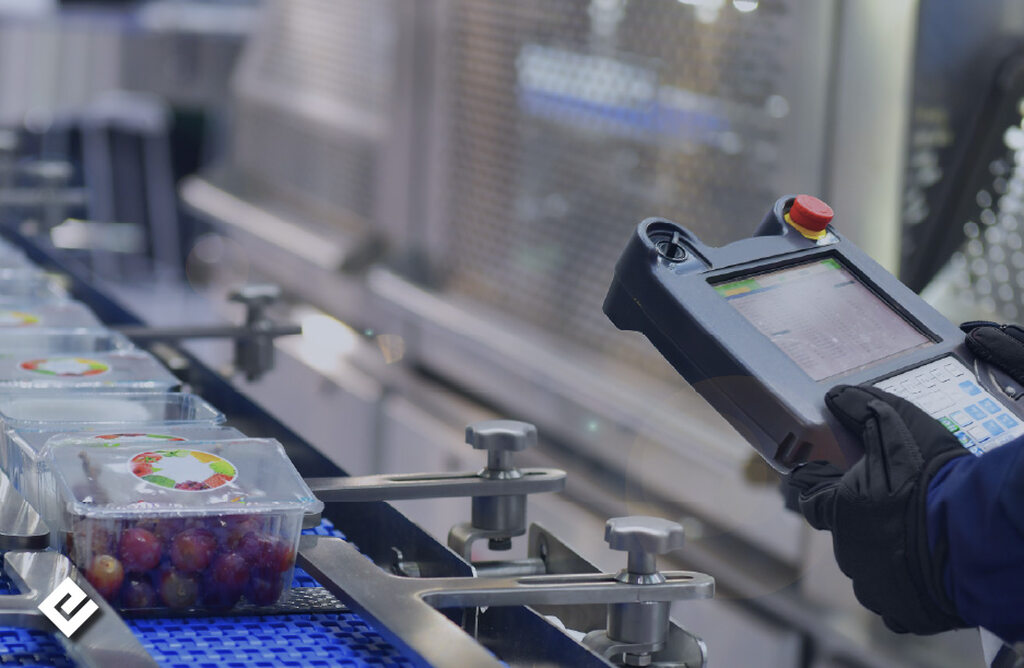
The future of the food industry is strongly linked to personalization, digitalization, and sustainability.
Functional foods enriched with vitamins, fiber, or bioactive compounds are expected to gain market share as consumers increasingly seek health and well-being. Biotechnology will continue to drive alternative proteins and ingredients with lower environmental impact.
Another relevant trend is the full integration of the supply chain through digital platforms, enabling end-to-end visibility. Blockchain, the Internet of Things, and advanced automation are expected to expand transparency and efficiency.
Sustainability will continue to serve as a structural pillar, with clear targets for carbon reduction, resource optimization, and waste reduction.
How Technology Transforms the Cold Chain
The cold chain is one of the areas most impacted by technology. Temperature-controlled warehouses today rely on automated temperature monitoring and control systems, smart sensors, and real-time visibility.
However, technology alone does not guarantee stability if processes are not structured to reduce operational variability. As highlighted by Andrés Francke, Lean & Business Integration Manager at Emergent Cold LatAm:
“In the cold chain, eliminating waste and standardizing processes is essential to reduce temperature variations and ensure operational stability.”
During transportation, connected devices record temperature, humidity, and location in real time, ensuring cargo integrity. Integrated platforms allow operational data to be monitored and enable rapid action in case of deviations.
Automation in cold storage facilities increases energy efficiency and reduces operational risks. Inventory management systems with specialized WMS ensure full traceability and greater accuracy.
These solutions raise quality standards, reduce losses, and strengthen operational reliability, especially in segments such as meat, dairy, fruits, vegetables, and frozen foods.
Discover our solutions for every stage of food logistics
At Emergent Cold LatAm, we closely follow the evolution of food technology and apply innovation at every stage of the cold chain. Our multi-temperature warehouses are equipped with advanced systems for monitoring, inventory management, and operational control.
We operate with strategically located infrastructure, technological integration, and a strong focus on energy efficiency. We continuously invest in solutions that reduce waste, increase visibility, and strengthen food safety.
If your operation is seeking scale, traceability, and sustainability, our team is prepared to structure logistics solutions aligned with the demands of the modern food sector.