

On the route that perishable foods take to get to the consumer, there is a very important stage that connects producer centers, logistics hubs and buyer markets: the line haul, also known as long distance transport.
It is in this stage that the cargo is transported along the most important stretches of the operation, which requires careful planning and total attention to maintaining the cold chain.
For companies in the foods sector, this stage is not just one link in the operation; it defines costs, determines times and directly influences the final quality of the products.

What is line haul?
The term line haul refers to the main movement within a logistics operation, which involves long distances, borders or stretches between large centers. This stage is responsible for taking cargo from point A to point B directly, generally connecting strategic centers within a supply network.
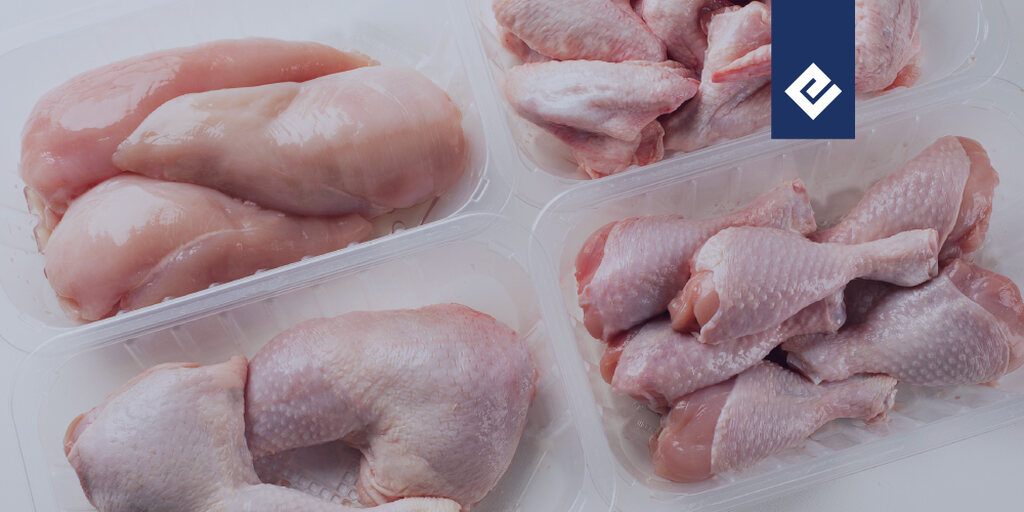
In the foods sector, transport over long journeys is very important to guarantee that perishable products, such as fruits, vegetables, meat and dairy products, maintain their integrity throughout the whole time.
How does long distance transport work?
The long distance transport is done by vehicles, routes and structures prepared for long journeys.
For operations involving perishable foods, these processes need to follow rigorous parameters, such as:
- maintenance of proper temperature throughout the whole journey;
- integration between collection, transfer and delivery;
- use of vehicles with reliable refrigeration systems;
- accompaniment of conditions of the cargo in real time;
- planning of routes that avoids risk and reduces delays.
Advantages of line haul in foods logistics
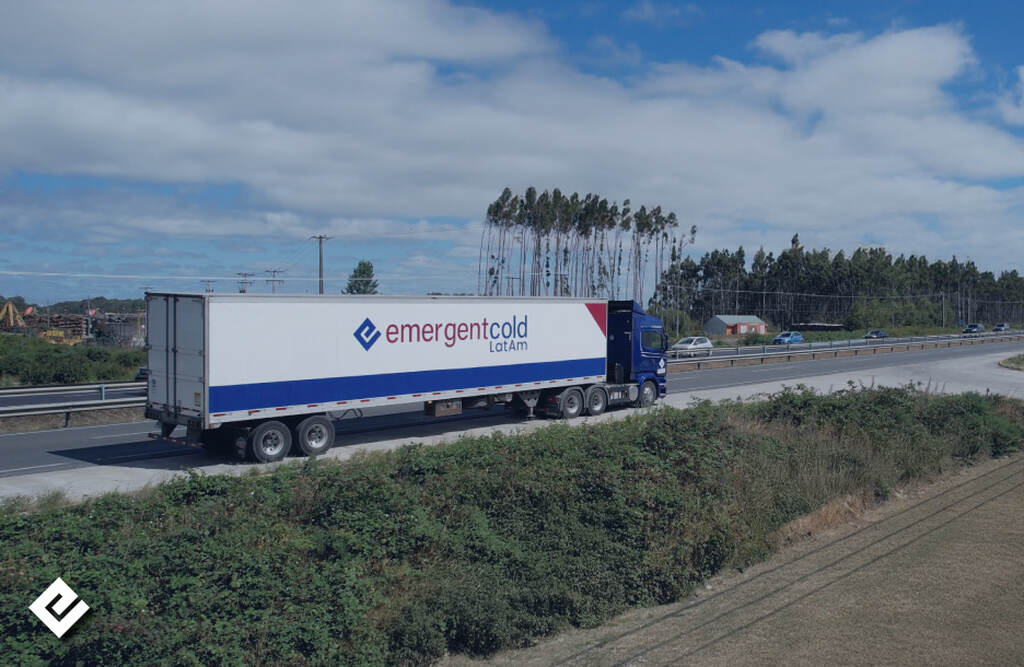
Planned long distance movement affords benefits to all the participants in the supply chain:
Reduction of costs
The line haul helps optimize routes, consolidate loads and reduces unnecessary displacements. This efficiency results in lower fuel consumption, less maintenance and greater use of the capacity of vehicles.
Predictability in the transport also avoids extra costs with loss of goods, additional inspections or the need for reprocessing due to thermal failures.
More efficiency in deliveries
The logistics flow is more organized by connecting stages in the chain continuously. Operations with structured planning reduce halts, avoid delays and maintain a more stable schedule.
This gain in efficiency is fundamental for companies that depend on fresh or frozen foods, as any variation in the time directly impacts the quality of the cargo.
Reliability
Reliability is one of the greatest advantages of line haul. In being able to count on the proper vehicles, permanent monitoring and optimized routes, it becomes possible to foresee delivery times with greater precision.
This strengthens relationships with trading partners, increases customer satisfaction and reduces risks of breakage of stock.
Principal trends and technologies for long distance transport
The modernization of long distance transport has advanced thanks to technologies which expand the visibility, the predictability and control over the operations, in other words, factors essential to perishable cargo.
As Adair Reyes Meza, LatAm Transport Director at Emergent Cold LatAm highlights, “solutions based on environmental sensors, telematics and smart route management strengthen thermal control and reduce risks over large distances.”
Among the most relevant innovations are:
- IoT Monitoring (Internet of Things): connected sensors enable temperature, vibration, location and conditions of the cargo to be accompanied in real time;
- Advanced logistics management systems: integrated software optimizes routes, consolidates information and speeds up strategic decision making;
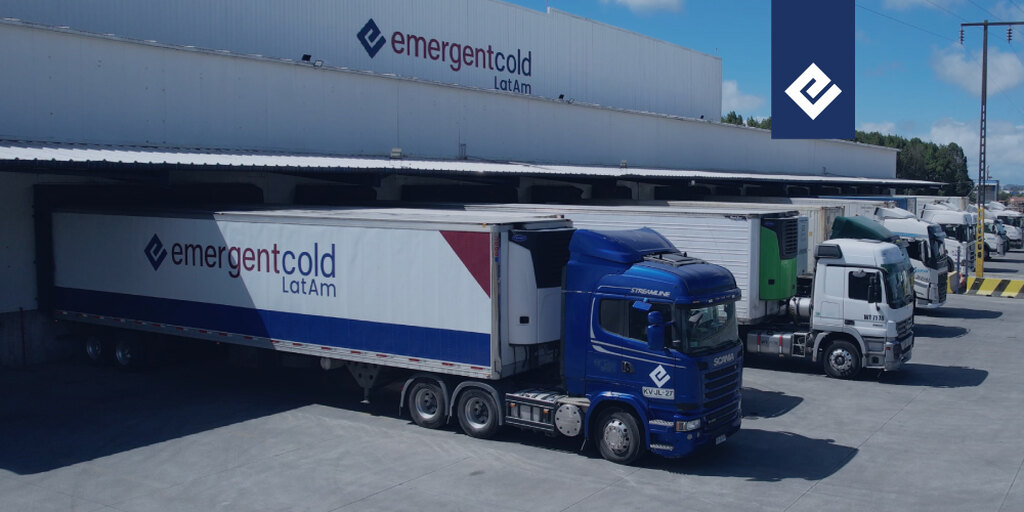
- Latest generation refrigerated vehicles: modern equipment affords greater thermal stability, lower fuel consumption and greater reliability;
- Automation of processes: reduces human failures, standardizes operations and improves the precision of information;
- Artificial Intelligence applied to planning: helps forecast demand, in the analysis of risks, in the allocation of capacity and in the predictive maintenance of the fleet.
Find out about our solutions for all stages of the cold chain
We offer complete transport solutions of perishable foods, guaranteeing safety and efficiency at each stage of the process.
Our services include:
- specialized transport with total temperature control;
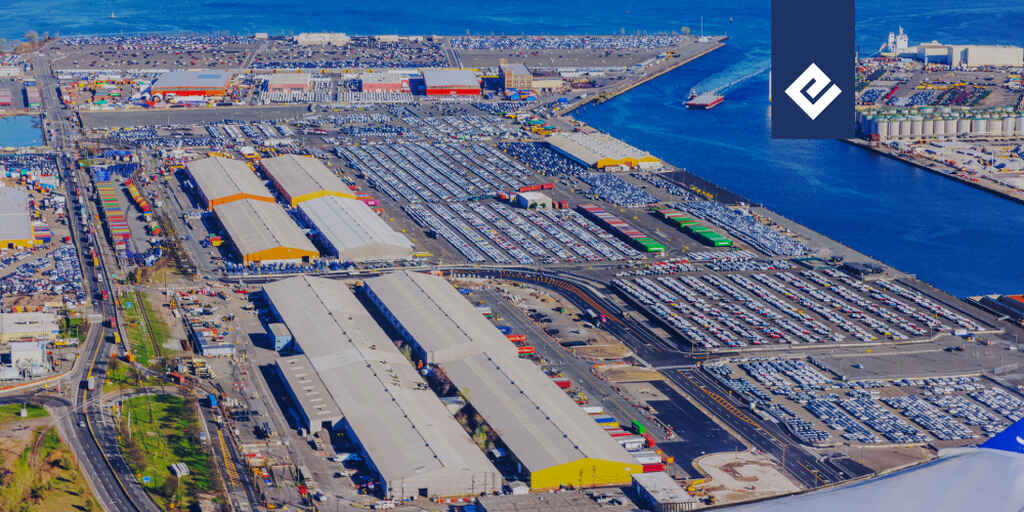
- robust infrastructure for the cold chain, with strategically distributed warehouses in Latin America;
- advanced monitoring and tracking technology;
- integrated routes that improve the predictability of deliveries;
- technical teams prepared to deal with sensitive products;
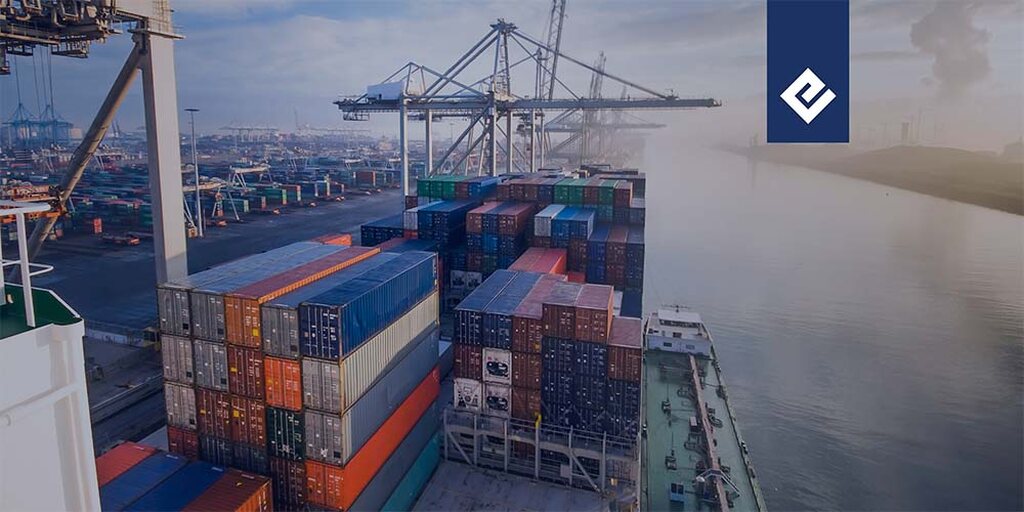
- international and interstate operations with global quality standards.
With expertise in perishable foods logistics and a focus on operational efficiency, we guarantee that your products can travel long distances with total care, from their origin through to the destination.