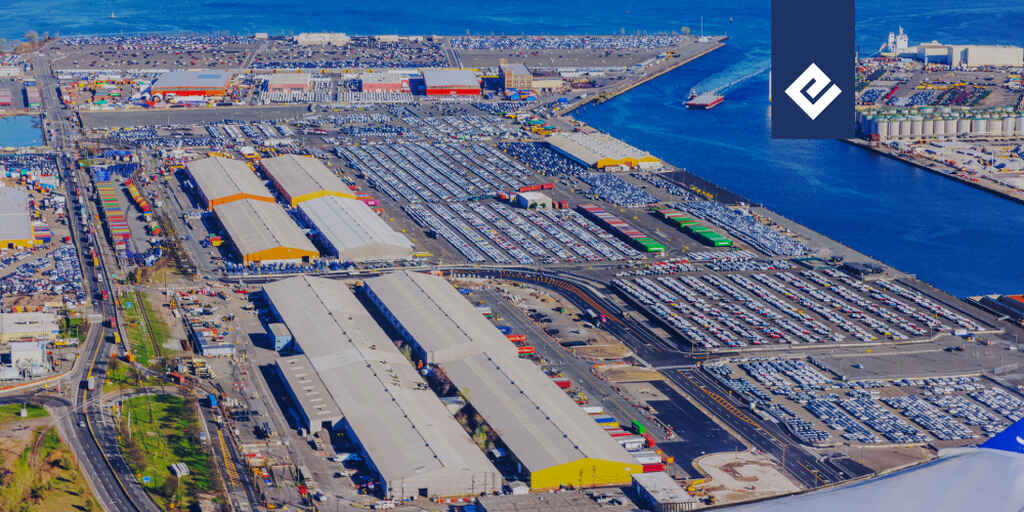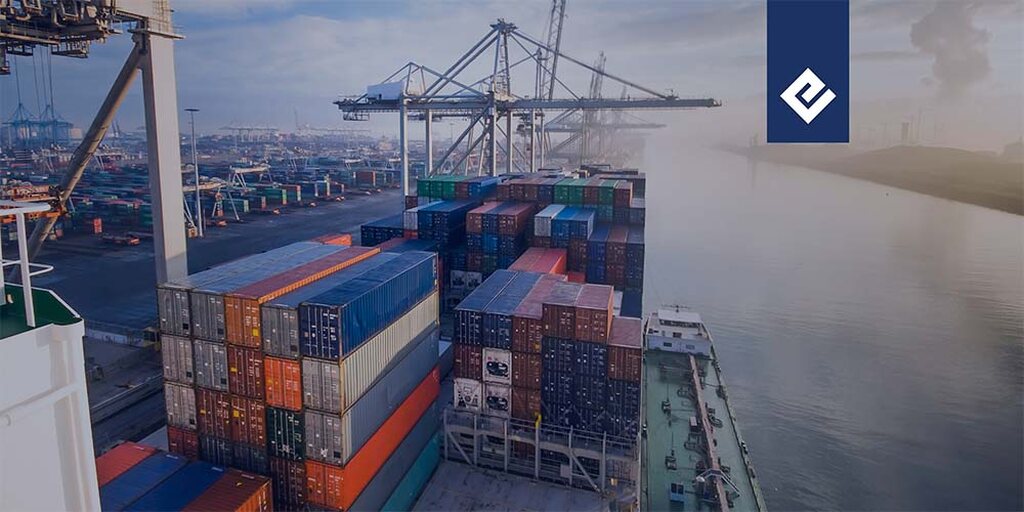


The expansion of the international perishable food trade depends on efficient logistics, incentive policies and modern infrastructure. In this scenario, the Export Processing Zones (EPZ) play an essential role in connecting producers, factories and global markets.
In this article, we explain how EPZs work, their importance for the foods sector and how companies with structured operations, such as Emergent Cold LatAm, benefit from these zones to increase efficiency and competitivity in exports.

How Export Processing Zones strengthen global foods logistics
Export Processing Zones (EPZs) are free trade areas set up by the government with the objective of stimulating exports and attracting productive investments. They connect production and foreign trade, offering tax incentives, simplification of customs procedures and integration with logistics modal connections.
In these areas, companies can speed up processes, reduce costs and optimize the storage and transport of perishable products.
Operations close to ports and logistics corridors, for example, gain efficiency in the movement of frozen and refrigerated cargo, preserving the quality and strengthening the cold chain.
More details on the benefits of EPZs in food logistics
The principal benefits of EPZs, speaking generally, are: operational efficiency, gain of competitivity and the reduction of costs. Here we will show in detail how these advantages can be obtained:
Operational efficiency
The setting up of factories and storage centers within an EPZ enables all the stages, from preparation to dispatch, to take place in an integrated manner.
This structure reduces the time of moving of cargoes, improves the flow of information and facilitates the monitoring of the cold chain.
For perishable foods, this means greater control over the quality and predictability of deliveries, essential factors in maintaining the trust of international importers.
Emergent Cold LatAm uses advanced tracking and temperature control technologies to guarantee that the products arrive at their destination within the required standards.
Competitivity
EPZs amplify the competitivity of the exports by setting up an environment that is favorable to innovation and foreign investment.
With tax exemptions and facilitated logistics, companies can operate with more advantageous margins and respond quickly to the demands of global markets.
Furthermore, the model of the EPZs stimulates regional development, attracting new business, generating jobs and modernizing the surrounding infrastructure, a multiplier effect that benefits the whole food supply chain.
Cost reductions
The waiving of taxes on inputs and equipment reduces the total cost of production, making the exported products more competitive on the international market.
Allied with a well structured logistics operation, this reduction directly impacts the final price of the exports and expands the profit margin of the exporting companies.
Furthermore, EPZs simplify customs processing and reduce storage and transport expenses, as the cargoes circulate in areas specially planned for foreign trade.
Another important point is the financial predictability: by eliminating duties, companies are better able to plan their investments, optimize the use of resources and maintain more sustainable operations over the long term.

Essential care in the functioning of EPZs in food exports
Although they offer various advantages, EPZs require special attention in some aspects to guarantee the proper working and safety of the operations.
Among the principal points of care is the need for robust infrastructure, efficient integration with ports and airports and maintenance of international compliance processes.
In the foods sector, the sanitary and phytosanitary requirements are especially rigorous, demanding absolute control of the cold chain and tracking in real time.
Furthermore, it is fundamental to guarantee that all the operations within the EPZs are aligned with the quality standards required by the global markets, which requires advanced technology, training of teams and solid logistics partnerships.
Companies working with frozen and refrigerated foods must invest continuously in innovation and monitoring to guarantee that the products arrive at their international destinations with safety, integrity and full compliance.
Find out about our solutions for the cold chain
At Emergent Cold LatAm we offer complete solutions in refrigerated and frozen logistics, integrated into the principal export routes connecting Latin America with the top global markets.
With a strategic presence in ports and distribution centers, we guarantee operational efficiency, continuous monitoring of temperature and compliance with the international perishable food transport standards.
Our warehouses count on advanced tracking systems and infrastructure designed to attend to the demands of exporters operating inside or outside the Export Processing Zones.
With technology, experience and commitment to quality, we support companies seeking to expand their global presence with safety, efficiency and sustainability.
Conclusion
Export Processing Zones are an essential pillar in strengthening the international food trade.
By offering tax incentives, customs simplification and logistical integration, they boost competitivity and attract new investment to the sector.
With the support of a structured, reliable operation such as Emergent Cold LatAm, perishable food exporters gain efficiency, reduce costs and guarantee that their products get to the global market with quality and compliance.
Thus, EPZs have become consolidated as strategic allies for a more agile, sustainable and connected logistical future to the demands of international trade.